

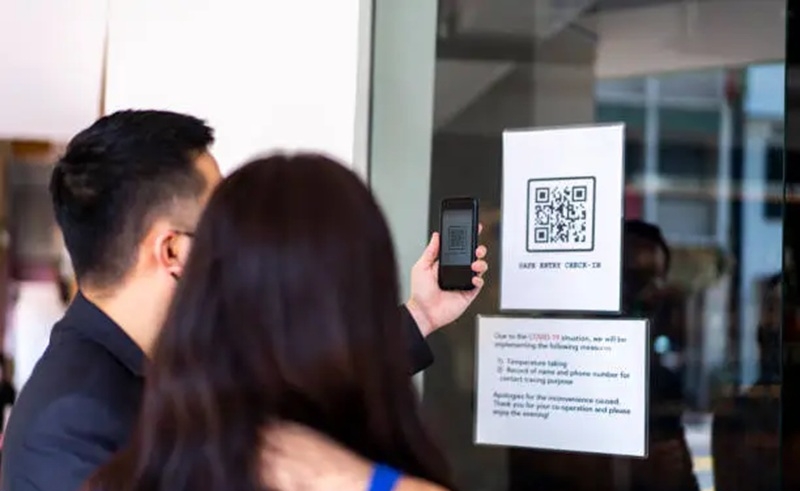
The speedy growth of cross-border QR payments systems across Southeast Asia has created greater convenience for travelers. There need not be large sums to be swapped over or someone to locate a currency counter. Rather, everyday transactions are necessary to be carried out through a familiar mobile banking application at home.
This project links up the national QR payment infrastructures in a number of ASEAN member countries and will enable tourists to make payments directly in local currencies. The process is automatic for the participating banks, which process the amount and the transaction through integrated payment networks.
The move will make cashless travel smoother for tourists, business travellers, and digital nomads in the region.
What Is the Cross-Border QR Payment Network?
The QR payment system (QRS) forms a cross-border payment network of domestic real-time payment systems. The traveller’s banking application processes the payment and the merchant is paid local currency once the traveler scans the merchant’s QR Code.
This means people don’t have to carry huge amounts of foreign currency, exchange at airports or just use their credit cards abroad. The conversion is made in real time and the end user is able to look at the amount in his/her home currency before confirming the purchase.
The system is backed by regional cooperation between central banks and the payment regulators, which helps speed up and secure transactions and makes them more transparent.
QR Systems Travelers Should Look For
If shopping out of the country, one should check the merchants’ QR logo on their product that is the official national QR logo.
| Destination | QR Network |
| Singapore | SGQR / NETS QR |
| Indonesia | QRIS |
| Thailand | Thai QR Payment / PromptPay |
They are standardized QR codes that can be read by the participating financial institutions, created especially for secure digital payments.
How to Use Cross-Border QR Payments While Traveling?
Step 1: Open Your Mobile Banking App
Start your regular banking program and sign in to your account. The majority of participating banks include a custom “Scan QR” or payment scanner on the homepage.
Usually, travelers do not need to download any foreign e-wallet app, thus making the travel process simple and convenient.
Step 2: Scan the QR code of the Merchant
Please use the QR code scan feature on the merchant’s check-out screen when using the banker app. Please check if codes are from the country’s official payment system like QRIS, PromptPay or SGQR, before use.
This guarantees that the cross-border payment will go through available cross-border networks.
Step 3: Input/Verify amount
Depending on merchant set-up it may be automatically or manually filled in with the merchant amount. The value must always be expressed in the merchant’s currency. In other words, buying in Bangkok, for instance, the price shown is in Thai Baht.
Step 4: Review the Exchange Rate and Pay
The equivalent amount in your home currency will be shown immediately in your banking application. Check the exchange rate, confirm and pay with a PIN, fingerprint or face scan. Immediate generation of a digital receipt after successful payment.
More travel updates every international traveler should know.
Making SG Arrival Card Mistakes?
Check out the errors that can delay entry.
Where Does Your SGD Stretch Further?
Discover luxury getaways offering better value now.
Ready For Vietnam’s New Rules?
Find out which digital document is required.
Why Is Singapore Suddenly Colder?
Uncover what’s behind the unusual temperature drop.
Could TDAC Errors Affect Entry?
See the key steps to avoid immigration issues.
Why Cross-Border QR Payments Are Replacing Cash?
The biggest benefit of this system is its cost-effectiveness. Payment systems that traditionally have been used to buy foreign exchange rates include unfair rates for exchange and hidden markups that make travel more costly.
Foreign transaction fees, foreign currency fees, and foreign processing charges are just a few expenses associated with credit cards that make them expensive.
The purpose of a cross-border QR payment is to deliver a fair exchange rate without getting involved in hassles to the tourists to help them hang on to more money in their pockets and also to reduce the reliance on physical cash.
FAQs
Can I pay using a QR code with my usual bank application in another country?
Yes. Qualified foreign QR codes enable consumers to transfer money without the need for downloadable apps, by scanning on their current mobile banking apps.
Is it necessary to download a local e-wallet for Singapore, Indonesia or Thailand?
No. Customers are expected to be able to pay through their domestic banking app instead of going through various local payment applications.
Will QR payments be safe while on the go?
Yes. Payments involve structured banking systems and need verification, such as PINs, passwords, fingerprints and/or facial recognition.