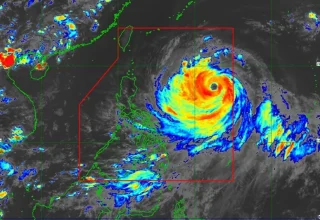
The Philippines is a country that experiences a complete change in its daily routines when the wet season comes. The wetter season provides respite from the tropical heat, but the state’s meteorologists from the Philippine Atmospheric, Geophysical and Astronomical Services Administration (PAGASA) are warning that flooding can come quickly with the monsoon rains. For those who want to keep their families healthy, the changing climate brings a big question into play: Is water from the tap safe from Cyclospora?
With water infrastructure under extreme stress during the rainy season, one of the first steps in avoiding debilitating waterborne infections in the Philippines is to know what to expect during the rains. Here are some facts about water quality in your town, the microscopic parasites and how to keep your family safe during a rainstorm.
The Threat of Cyclospora and Waterborne Pathogens
Cyclospora cayetanensis is a single-celled parasite that is too small to be seen with the naked eye that causes an illness of the intestines (cyclosporiasis). Parasite penetrates the body of a human host when they ingest contaminated food and water.
Why the Rainy Season Increases Risk
The agricultural runoff, sewage backup and animal waste are driven directly into open reservoirs and fresh water by heavy tropical rains. DOH specifically cautions that local water networks become severely impacted by rising flood waters, which results in an increase of “WILD” diseases, waterborne illnesses, influenza like infections, leptospirosis and dengue.
The Problem with Standard Filtration
What makes Cyclospora so dangerous to municipal water lines is its hard shell (oocyst) that is extremely thick. This structural shell enables the parasite to survive normal chemical chlorination treatments that readily kill normal bacteria. When stormwater exceeds a water district’s mechanical filtration capabilities, it can make its way directly into residential plumbing systems.
Rain Season Water Safety in the Philippines: Is Tap Water Safe?
In large cities such as Metro Manila, Cebu and Davao, private concessionaires employ state-of-the-art multi-stage treatment barriers such as ozonation and RO to provide compliant water to local mains. But, in peak rainy months, with external vulnerabilities, there are times when tap water cannot be considered safe for drinking.
Main Infrastructure Vulnerabilities
- Aging Underground Pipe Networks: This is where the external pressure from flooding occurs on pipes that are underground. Contaminated groundwater may work its way in to your home’s private drinking water lines through small cracks.
- Roof and Ground Storage Tanks: Overhead or underground cisterns are common for residential apartment buildings, condominiums and subdivisions. Poor sealing of these holding tanks provides a habitat for parasites such as Cyclospora or Cryptosporidium, which can be picked up from the rainwater that filters in.
- Rural Supply Limitations: In rural areas, water distribution systems may be less complex and may be more prone to protozoan contamination in the summer months.
Essential Rules for Pure Water Security
To ensure total safety from microscopic parasites and bacterial pathogens during severe weather periods, implement this step-by-step decontamination sequence.
1.Bring Water to a Rolling Boil:Baseline Protection.
Chemical chlorine tablets are not sufficient to eliminate protozoa. Bring tap water to vigorous rolling boil in clean pot for at least 2-3 minutes. The cell wall of the oocyst is completely broken down when it’s heated.
2.Deploy Absolute 1-Micron Filters:Filtration Setup.
If you are using home filtration systems, check to see that your water filter is a “cyst removal” filter or that it has an absolute 1 micron pore size. The Cyclospora organisms cannot be mechanically filtered out by standard charcoal filters.
3.Sanitise Raw Produce Thoroughly:Food Preparation.
Do not use untreated tap water to wash fruits and vegetables. Use only boiled or purified water to wash fresh produce, contaminated rinse water is the greatest source of foodborne parasite outbreaks worldwide.
Symptoms of Cyclosporiasis to Watch Out For
If you accidentally consume contaminated water, symptoms typically manifest within 7 to 10 days. The illness targets the small intestine, causing specific gastrointestinal distress signals:
- Profuse, watery, and sometimes explosive diarrhea
- Severe abdominal cramping, bloating, and increased gas
- Loss of appetite, nausea, and rapid weight loss
- Deep muscle aches, low-grade fever, and extreme fatigue
According to global monitoring reports from the Centers for Disease Control and Prevention (CDC), untreated cyclosporiasis can cause symptoms that persist for weeks or cyclically relapse, requiring specific antibiotic treatment to resolve fully.
FAQs
Does a standard refrigerator filter remove Cyclospora?
No. Most basic refrigerator water filters and pitcher filters rely on activated carbon to improve taste and remove chlorine odor. They do not possess a fine enough micron rating to mechanically filter out protozoan oocysts.
Is it safe to brush your teeth with tap water during flood events?
It is highly discouraged during active flooding or when a water safety advisory is active. Accidentally swallowing small amounts of contaminated water while rinsing can lead to an infection. Use boiled or bottled water instead.
Can you get Cyclospora from taking a shower?
No. Cyclospora cannot penetrate the skin and is not transmitted via external contact. Showering in municipal tap water remains completely safe, provided you do not accidentally swallow any water during the process.
Stay Ready For Every Storm
Need Emergency Help Fast?
Find disaster hotlines for floods and rescue assistance.
Is Your Area Flood-Prone?
Check out Project NOAH maps before heavy rain arrives.
Who Caused Carina’s Damage?
Uncover the debate over planning and climate change.
How Do Typhoons Impact Philippines?
Browse how the country responds to major storms.
Who Backed Odette Victims?
See how leaders pledged support after the disaster.