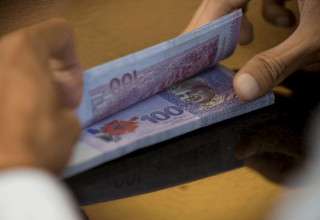

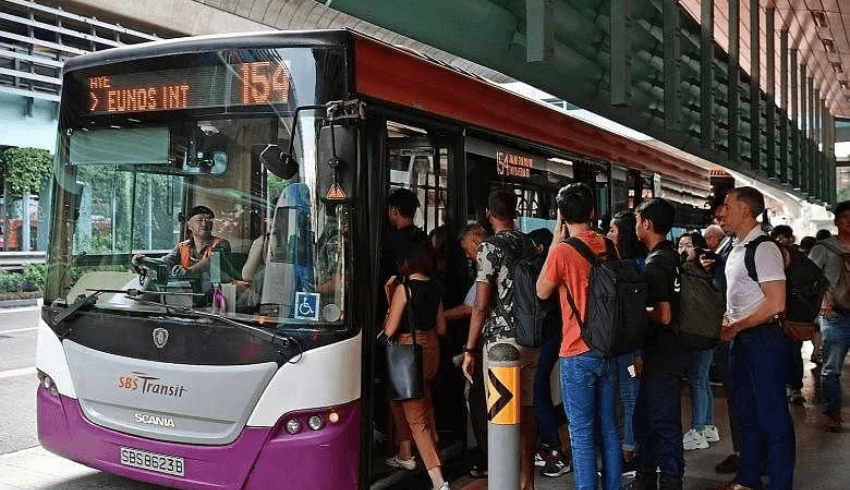
Several Singaporeans are already troubled by the rising cost of living amid high inflation. Public transport fare increases, therefore, are bound to cause unhappiness. From December 23, public bus and train rides have started to cost more, by up to 11 cents more per journey.
Financial pressures are mounting for both the public and public transport operators – facing lower ridership post-pandemic and higher operating costs. But the broader question is: Can Singapore afford to further subsidise public buses and trains?
Reduced Congestion, Cleaner Air, Peace Of Mind
The government already subsidises public transport to the tune of more than S$2 billion a year, or over S$1 per journey. This is a considerable sum but it appears a case could be made for even greater support from the government.
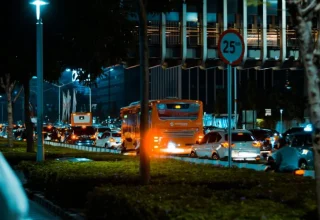
Public transport helps reduce congestion, subsequently saving motorists’ time, reducing stress on the roads and facilitating the smooth passage of emergency vehicles. There are also benefits from cleaner air and lower carbon emissions.
Keep Reading
Boosting public transport affordability is bound to provide citizens with greater assurance and peace of mind. But even if everyone agrees public transport could be further subsidised, it becomes a pressing question of how and how much.
Countries and cities across the globe have been experimenting, introducing lower fares or even free public transport. But the outcomes have been mixed. Nonetheless, one consideration that bolsters the case for further subsidising public transport is the lower risk of excessive use.
Lower Cost Alone Unlikely To Pursuade Motorists
Subsidising electricity and fuel may encourage inefficient use and excessive consumption. But travel is usually a means to an end – people take it to get to work or run errands – rather than as an end in itself. Lowered fares is unlikely to drive a surge in demand for public transport.
But lower cost alone is not expected to persuade many motorists to switch to public transport unless the latter is comfortable, efficient, and reliable. Sound regulation and investment are necessary to ensure the system’s efficiency, service quality, and long-term viability.