
Singapore, recognized for its economic success and excellent level of living, is facing an urgent problem: skyrocketing rental rates. Rent increases are not only affecting individuals’ daily life, but they are also posing a huge political challenge to the administration. The affordability crisis is creating worries about economic inequality, social cohesion, and the total cost of life in the city-state as rental costs hit record highs. This article delves deeper into the origins and consequences of Singapore’s rising rents, as well as the steps being done to solve this critical issue.
The Factors Driving Rent Increases
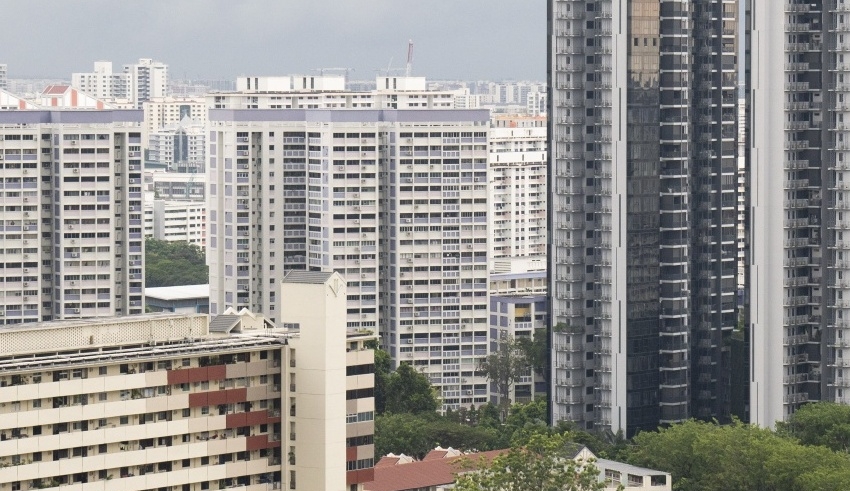
Several factors contribute to Singapore’s rising rental prices. First and foremost, there is a scarcity of available rental houses. Singapore’s paucity of land and tight housing building regulations make meeting the growing demand for rental flats difficult. Furthermore, the city-state’s healthy economy and reputation as a regional hub attract a significant number of foreign professionals and expats, driving up rental demand even further.
Another issue is the tremendous expansion of the property market, which is being pushed by both domestic and foreign investors. These investors see Singapore’s real estate as a profitable investment, resulting in heightened competition and bidding wars for rental homes. As a result, landlords can charge higher rental prices, making it harder for tenants to locate cheap accommodation.
The rise in rental rates has serious consequences for Singaporeans. Low- and middle-income households suffer the brunt of the burden, as housing expenditures consume a sizable portion of their income. Many people and families are struggling to make ends meet and are forced to choose between housing, healthcare, education, and other necessities.
Singapore’s income inequality is also exacerbated by the affordability crisis. Rising rental property costs disproportionately affect lower-income groups, expanding the country’s wealth disparity. This widening income discrepancy creates societal problems and stymies efforts to create a more equitable society.
Keep Reading



The Singaporean government is under increasing pressure to address the affordability challenge as rental costs become a key concern. The government has put in place a number of measures to help tenants. These include the implementation of rental subsidies and programs like the Additional Rental Relief, which gives financial support to qualified tenants. Additionally, attempts have been made to boost the supply of public housing and improve affordability through projects such as the Build-To-Order (BTO) program.
However, critics contend that these solutions simply provide short-term respite and do not address the underlying causes of rising rents. More comprehensive policies, such as stronger limits on property speculation, encouraging the development of more rental housing, and revising existing rental control measures, are being advocated for by some. The goal is to achieve a balance between maintaining landlords’ interests and providing residents with affordable housing options.
The problem of rising rents in Singapore needs a complex solution. It necessitates a careful examination of economic, social, and political aspects. As the government continues to battle with this issue, a comprehensive and long-term solution to the fundamental causes of the rental affordability dilemma is required. This could include a combination of expanded housing supply, targeted programs to assist low- and middle-income households, and property speculation controls.
The outcome of these efforts will decide Singapore’s rental market’s future trajectory and its impact on the lives of its citizens. Singapore may strive for a more inclusive society that assures affordable and accessible housing for all of its inhabitants by addressing the political and socioeconomic factors of skyrocketing rents.