
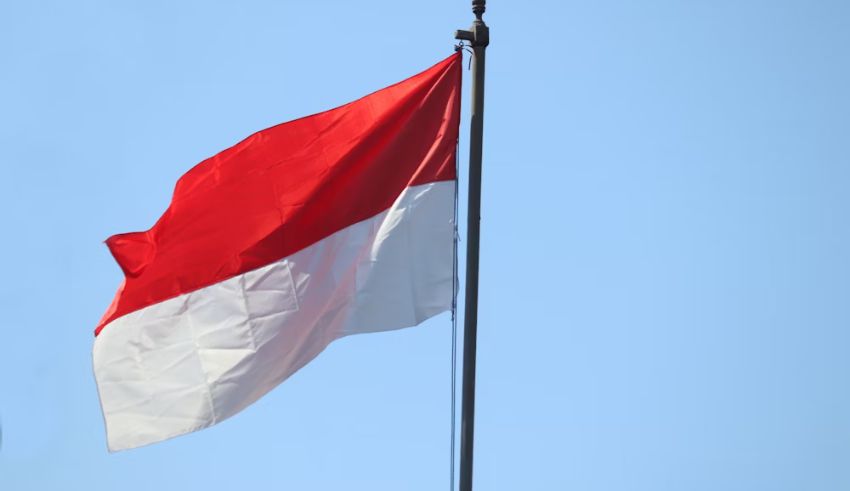
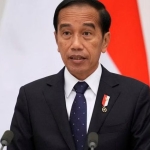
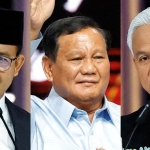
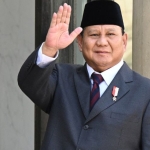
Indonesia, the world’s third-largest democracy, held its presidential and legislative elections on February 14, 2024, amid the Covid-19 pandemic and the economic recession. The elections were contested by three candidates: Prabowo Subianto, the incumbent defense minister and former army general; Anies Baswedan, the former governor of Jakarta and a popular Islamist figure; and Ganjar Pranowo, the former governor of Central Java and a moderate reformist.
According to unofficial quick counts by reputable pollsters, Prabowo won the presidential race with more than 57% of the vote, followed by Anies with 24% and Ganjar with 17%. However, the elections were not free from allegations of fraud and favoritism, as several watchdog groups and monitoring organizations have reported various irregularities and violations that could undermine the credibility and legitimacy of the results. Here is what they have found and why it matters.
What are the types and sources of fraud and favoritism in the elections?
The watchdog groups and monitoring organizations have identified several types and sources of fraud and favoritism in the elections, such as:
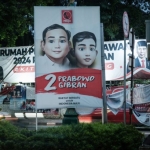
- Campaign finance violations: The candidates and their parties were accused of exceeding the legal spending limits, receiving illegal donations, and failing to report their sources and uses of funds. The watchdog groups also claimed that some candidates and parties used state resources and facilities, such as vehicles, offices, and media, to support their campaigns, which gave them an unfair advantage over their rivals.
- Voter list manipulation: The election commission was criticized for its poor management and verification of the voter list, which resulted in millions of duplicate, missing, or ineligible voters. The watchdog groups also alleged that some voters were registered in multiple locations, or were bribed or coerced to vote for certain candidates or parties.
- Ballot box stuffing: The election commission was also blamed for its lack of security and supervision of the ballot boxes, which allowed some election officials, candidates, or parties to tamper with or replace the ballots. The watchdog groups also reported cases of pre-marked ballots, fake ballots, or missing ballots, which affected the vote count and the outcome.
- Intimidation and violence: The candidates and their supporters were accused of using threats, harassment, or physical attacks to influence or prevent voters, election officials, or observers from exercising their rights and duties. The watchdog groups also documented incidents of vandalism, arson, or bombing of polling stations, ballot boxes, or campaign offices, which disrupted the electoral process and created fear and chaos.
- Media bias and misinformation: The candidates and their parties were accused of using the mainstream and social media to spread false or misleading information, propaganda, or hate speech to sway or confuse the voters. The watchdog groups also claimed that some media outlets were biased or partial towards certain candidates or parties, and failed to provide balanced and objective coverage of the elections.
Keep Reading
What are the impacts and implications of fraud and favoritism in the elections?
The fraud and favoritism in the elections have serious impacts and implications for the political and social stability and development of Indonesia, such as:
- Eroding public trust and confidence: The fraud and favoritism in the elections have damaged the public trust and confidence in the electoral system and the democratic institutions, and have raised doubts and questions about the validity and accuracy of the results. The fraud and favoritism have also increased the risk of disputes, protests, or lawsuits, which could prolong the uncertainty and tension in the country.
- Undermining political representation and accountability: The fraud and favoritism in the elections have distorted the political representation and accountability of the candidates and the parties, and have affected the quality and diversity of the elected officials. The fraud and favoritism have also weakened the checks and balances and the separation of powers among the executive, legislative, and judicial branches, and have enabled the concentration and abuse of power by the ruling coalition.
- Exacerbating social polarization and conflict: The fraud and favoritism in the elections have exacerbated the social polarization and conflict among the different groups and interests in the society, such as the religious, ethnic, regional, or ideological factions. The fraud and favoritism have also fueled the resentment and hostility among the supporters of the candidates and the parties, and have threatened the social cohesion and harmony of the nation.