Malaysia’s recent surge in efforts to restrict social media content has sparked a complex debate about the balance between maintaining public order and upholding freedom of expression. This editorial delves into the multifaceted reasons behind the government’s actions and the broader implications for Malaysian society.
The Rise in Harmful Content
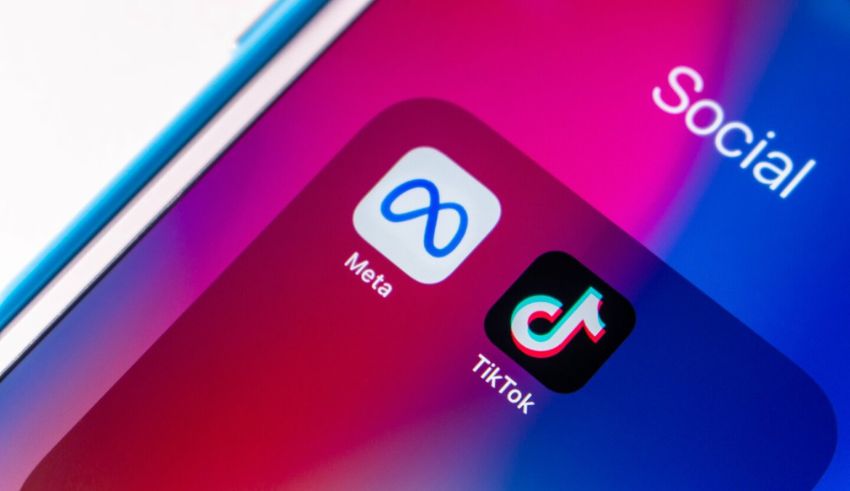
The Malaysian government has reported a significant increase in harmful social media content, with 51,638 cases referred to platforms like Meta and TikTok in just the first three months of 2024. This marks a sharp rise from the previous year and underscores the government’s growing concerns over the spread of content that could disrupt societal harmony.
Sensitive Issues at Stake
Content related to race, religion, and royalty—topics that are particularly sensitive in Malaysia’s diverse society—has been the primary focus of the government’s restriction efforts. Malaysia’s ethnic and religious composition, which includes a Muslim Malay majority and significant Chinese and Indian minorities, makes the management of such content a priority to prevent discord.
Government’s Justification
Prime Minister Anwar Ibrahim’s administration has faced criticism for potentially backpedaling on its promises to protect free speech. However, the government has defended its stance, stating that the restrictions are necessary to protect users from online harms and to maintain public order.
Social Media Platforms’ Response
In response to the government’s requests, Meta and TikTok have restricted a record number of posts and accounts in Malaysia. The platforms have been urged to enhance their monitoring efforts to curb content that indicates coordinated inauthentic behavior, financial scams, and illegal online gambling.
Keep Reading
Public Opinion and Free Speech Concerns
The government’s move has been met with mixed reactions from the public. While some support the need for content regulation to safeguard the nation’s peace and security, others fear that such measures could lead to censorship and suppress legitimate expression. The debate continues as Malaysians grapple with finding the right balance between security and freedom.
The Impact on Internet Freedom
The increased scrutiny of online content has raised concerns about internet freedom in Malaysia. Reports suggest that the country’s internet freedom status remains restricted, with criminal prosecutions and investigations posing threats to online expression.
Looking Ahead
As Malaysia navigates the challenges of regulating social media content, the outcome of these efforts will likely have lasting effects on the country’s democratic principles and the rights of its citizens. The ongoing conversation about social media content restriction is not just about the present; it’s about shaping the future of Malaysia’s digital landscape.