
Walk into a Filipino market on a humid afternoon and the first thing that hits is the smell — part sugar, part smoke, and a little sea salt if you’re close to the coast. Someone yells about mango prices. A radio crackles old love songs. Plastic bags rustle as shoppers shuffle through narrow aisles lined with handwoven baskets and jars of violet jam. It’s loud, messy, and alive.
Despite the country’s steady modernization, local craftsmanship never really left. Cities such as Cebu and Manila, highlighted by The Asian Affairs: Top 5 Richest Cities in the Philippines, now house both malls and markets under one skyline. And as Successful Entrepreneurs in the Philippines points out, many global Filipino brands still trace their roots to small family-run shops where hand and habit matter more than machines.
Table – Common Souvenirs Found Across the Islands
| What It Is | Where It Comes From |
| Sweet dried fruit | Cebu |
| Handwoven textiles | Aklan, Bicol |
| Fine jewelry | Palawan |
| Carvings, utensils | Laguna, Baguio |
| Purple yam spread | Baguio |
| Traditional attire | Manila |
| Beauty and kitchen staple | Davao, Quezon |
| Barako & Arabica beans | Batangas, Benguet |
| Shell lamps, trays | Iloilo |
| Sungka boards, toys | Cebu, Laguna |
1. Dried Mangoes
Cebu’s dried mangoes taste like sunlight. Slightly sticky, golden slices sealed in clear plastic bags. Locals say the secret is timing — cut before dawn, dried by noon. Travelers often grab a handful “for the flight,” then eat half before boarding.
2. South Sea Pearls
In Palawan, the sea gives more than fish. Divers bring up pearls with quiet patience. The sheen isn’t blinding; it’s gentle, like candlelight. No two pearls ever look identical, which makes choosing one oddly personal.
3. Capiz Shell Décor
Capiz shells look dull until washed and set under a lamp. Then they glow, pale and milky, almost fragile. Artisans from Iloilo turn them into trays, lamps, and ornaments. Each one carries a faint sound — the clink of thin glass when moved.
4. Handwoven Textiles
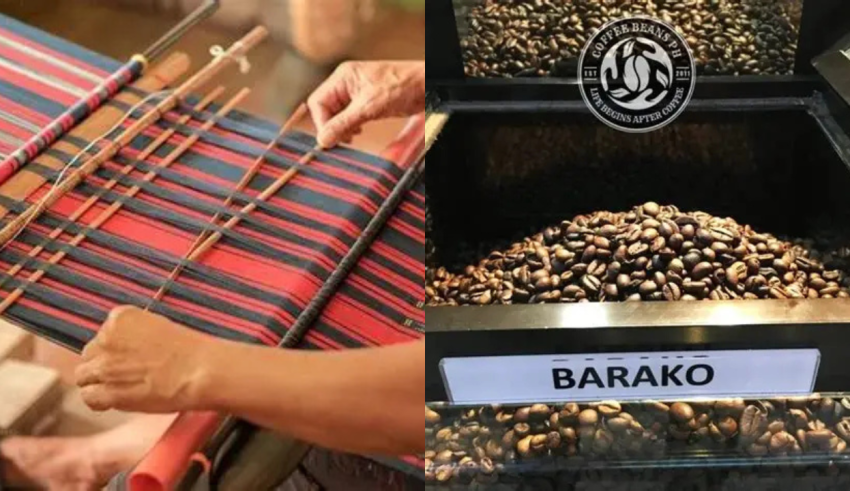
In Aklan or Bicol, looms still knock rhythmically against wooden floors. Fibers from pineapple leaves or abaca strands stretch across frames, dyed with plants instead of chemicals. Finished cloth smells faintly of starch and sun. The small imperfections make each piece real.
5. Barong Tagalog and Filipiniana
Tailors in old Manila iron each seam carefully. The Barong Tagalog, light as mist, still graces formal events. The Filipiniana dress, with its soft butterfly sleeves, speaks of heritage more than fashion. Both garments breathe — literally, since the fabric lets the wind through.
6. Bamboo and Wood Crafts
Laguna’s carvers sit near open doors where air moves freely. You’ll hear steady scraping, wood on metal. Figures of saints, spoons, or jeepneys emerge slowly. The smell of varnish and sawdust mixes with afternoon rain.
7. Woven Fans and Palm Hats
In the humid heat, everyone reaches for a pamaypay fan. It folds open with a quiet snap. The buntal hat, woven from palm fibers, hangs light and airy. Both work better than any souvenir keychain.
8. Ube Jam and Local Sweets
Ube halaya — purple yam jam — is thick, creamy, and unmistakably Filipino. Baguio’s jars sell out fast. Next to them sit barquillos and polvoron, light snacks wrapped in paper, usually gone by the time the plane lands.
9. Local Coffee Beans
Batangas’ kapeng barako has a rough strength. It wakes a room before the kettle even whistles. Up north, Benguet farmers roast Arabica beans over slow heat, flipping them with wooden paddles. The taste sits somewhere between chocolate and smoke.
10. Coconut and Natural Products
Coconut oil glistens on stalls beside soap bars wrapped in brown paper. The scent is clean, almost sweet. People use it for cooking, hair, skin — everything. Vendors talk about it like medicine passed down generations.
A Day Inside a Filipino Market
Markets here don’t move fast. Haggling turns into friendly talk. Someone offers a taste; someone else laughs over a wrong price. The sound of sandals against cement, the clatter of coins, the soft buzz of conversation — it’s constant.
Tourists often wander without buying, then circle back hours later carrying twice what they planned. Not because of pressure, but because the air itself seems to insist. “You won’t find this abroad,” a vendor might say, half joking. He’s right.
The malls look cleaner, cooler, maybe easier. But the real pulse stays in the open stalls where sellers wrap goods in old newspapers and wish buyers good luck. That’s the charm — imperfect and warm.
Why These Items Stay Popular?
Each item, no matter how small, carries work that starts early and ends late. Farmers drying fruit in Cebu. Weavers hunched over looms in Aklan. Carvers sanding wood by lantern light. These crafts keep families steady. They also keep memory alive.
You can feel it in the details — uneven stitching, smoke from a backyard kiln, the faint salt on a pearl’s surface. These things last because they’re honest. They come from people who don’t rush art just to fill shelves.
Modern brands now ship these same goods worldwide, sometimes through social media, sometimes by word of mouth. The tools may change, but the heartbeat doesn’t.
What These Treasures Mean?
Souvenirs from the Philippines don’t try to impress. They tell small stories — of work done by hand, of color and patience. A lamp that glows softly in a living room abroad, a jar of ube jam opened months later — both pull memories back. And that’s what matters.
They remind anyone who has walked through a humid market, laughed with a vendor, or carried home the scent of coconut oil, that a piece of the islands never really leaves.
FAQs
What are the most loved souvenirs from the Philippines?
Dried mangoes, pearls, abaca fabrics, and coconut products top most travelers’ lists.
Are Barong Tagalog shirts still common today?
Yes, they’re worn proudly during weddings, national holidays, and formal gatherings.
Where can real pearls be found?
Palawan remains the best-known source of authentic South Sea pearls.
Can local sweets be carried abroad safely?
Yes, sealed dried fruits and jams usually pass customs without issue.
Why do handmade crafts matter so much?
They preserve community work, local identity, and sustainable family income.
Disclaimer: Stay updated with the lastest news in Phlippines, from politics to business trends, while also catching up on the lastest news in sports covering matches, scores, and tournaments. Explore the latest news in entertainment with celebrity updates, movies, and shows, and don’t miss the latest news in games, featuring trending releases and esports highlights.