










The Chinese economy has already overcome the reluctant market forecasts to begin the year with a strong momentum. The National Bureau of Statistics reported on April 16, 2026, that China is registering 5% GDP growth in the first quarter. This number is comfortably placed at the high end of the annual growth goal of Beijing, and this indicates a strong recovery even in the midst of a complex international economic environment that is characterized by energy shocks and changing trade patterns.
The total GDP in January- March was ¥33.4 trillion. This performance is a strategic change to high-quality development and a good start to the 15th Five-Year Plan. Through its high-tech production and digitalization, the country has created a strong base to be used in the coming months.
The Drivers Behind the 5% Economic Surge
The 4.5% growth rate in the late 2025 period was driven by renewed growth in the industrial sector and unexpected strength in the export sector. According to analysts, the key drivers of China records 5% GDP growth are the new three drivers, which include electric cars, lithium-ion batteries, and renewable power.
Industrial and High-Tech Powerhouses
The 2026 recovery is still reliant on industrial production. The value-added output of industrial enterprises increased by 6.1 in Q1. Better still, the high-tech production increased by 12.5% compared to the market in general.
- 3D Printing Machines: The output grew by 54.0%.
- Lithium-ion Batteries: The production increased by 40.8.
- Industrial Robots: The market demand increased output by 33.2%.
Rebound in Investment and Services
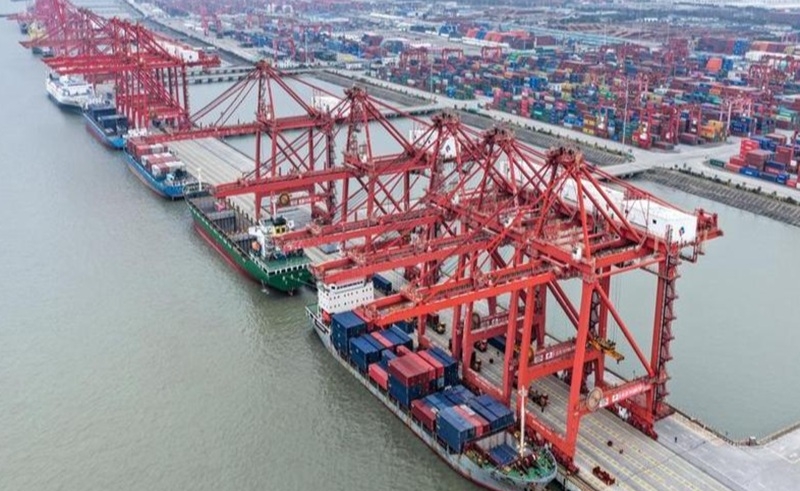
The first increase in fixed-asset investment since the past few quarters occurred, with the growth of 1.7 percent per year. Infrastructure investment in particular increased by 8.9%, which was aided by the issuance of ultra-long special treasury bonds by the government. At the same time, the services sector was one of the most contributing sectors, with information technology services increasing by 12.2% as digital transformation flows into every corner of society.
Maintaining Momentum Toward 2026 Targets
Although China has posted a growth of 5 percent in GDP in the first quarter, the government is on alert. According to the NBS, even though market vitality is getting better, internal demand, especially retail sales, which increased by a modest 2.4 percent, needs additional stimulation to offset the robust industrial supply.
Must-Read Updates You Shouldn’t Miss
How To Stay Cool Without AC?
Explore simple ways to beat Malaysia’s heatwave.
How Can You Avoid Heat Stroke?
Check practical tips to stay safe in extreme heat.
Are Cruise Passengers Showing COVID Symptoms?
Discover latest updates on Filipinos from Japan ship.
What Mpox Symptoms Should You Watch?
Learn key signs every Singapore resident must know.
Which Mobile Wallets Dominate Asia Today?
Compare top apps like GCash, Paytm, and GrabPay.
Strategic Policy Efficacy
The effectiveness of proactive macro-policies is reflected in the stabilization of the Producer Price Index (PPI), which has increased by 0.5 percent in the month of March after a long period of deflationary trend. This upward adjustment of prices is an important indicator to factory owners and investors that local supply-demand is finally coming back to normal.
Based on the official reports, the rate of urban unemployment that was surveyed was at 5.3, which was stable giving the social stability needed to maintain reform. External trade was also massively boosted, as total imports and exports increased by 15% annually as new trade routes and waived tariffs started to come into effect.
FAQs
Q1: Did the 5% growth meet market expectations?
Yes, it exceeded them. Most international analysts had predicted a growth rate between 4.5% and 4.8%. The 5% result places China at the “high end” of its own 2026 economic targets.
Q2: What are the main challenges for the rest of 2026?
The main hurdles include relatively weak domestic consumption and a complex external environment involving energy security risks. The government aims to address this through “consumer goods trade-in” programs.
Q3: Is the property sector still dragging down the economy?
While the real estate sector remains in a period of adjustment, the growth in manufacturing and high-tech sectors has largely offset its impact.