









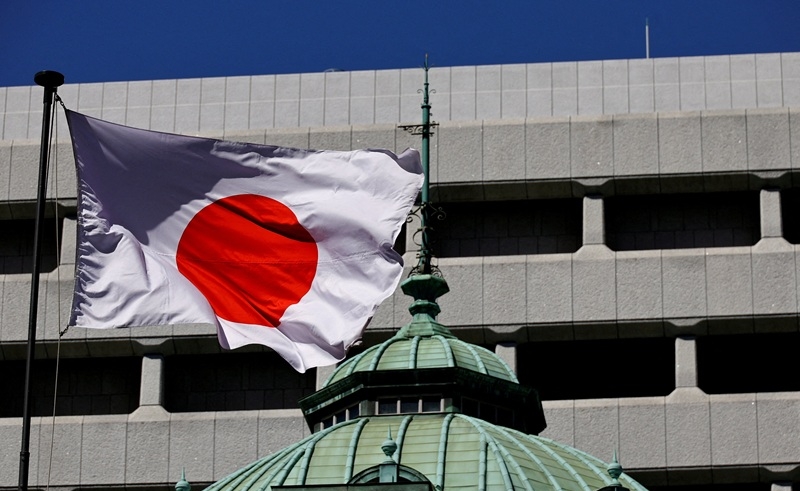
The world economic terrain is changing at a high rate, with geopolitical tensions within the Middle East boiling over to a critical point in 2026. There is a rumble in the streets within the Tokyo financial sector that the central bank of Japan is about to make a decisive turn. With the energy routes being broken by the war, which is mainly the Iran-Israel war, Japan is experiencing a new inflation surge, which is likely to push the Bank of Japan (BOJ) to intervene much earlier than expected.
The Rising Pressure of War-Driven Inflation
Japan has had deflation problems for decades, and now the inflation spike due to the war has reversed the situation. The price of imports has increased dramatically, directly affecting Japanese households and small businesses, as crude oil prices have been left at almost $100 per barrel. In contrast to the past, where price increment was perceived as a short-term phenomenon, recent statistics show that there has been a change in the pricing behavior of corporations.
Recent Reuters polls suggest that almost two out of every three economists are now forecasting that the benchmark interest rate of the BOJ will increase to 1 percent by the close of June 2026. The reasoning is obvious: any delay might result in inflation becoming a sticky phenomenon, which would be hard to unwind in a wage price spiral.
Japan Central Bank Sources on the June Timeline
Although an April increase was briefly discussed, sources in the Japan central bank have suggested June as the most probable time to normalize the policy. This timing gives the board time to know well the second-round impacts of the energy shock.
- Q1 Data Review: BOJ will have all the data for the first quarter of 2026 to determine whether domestic consumption is resistant to higher rates.
- Stability of the currency: The Japanese Yen has been under a lot of pressure as it has been depreciating against the dollar, with the interest rate gap still being wide. An increase in June is considered to be a tool needed to protect the currency.
- Wage Negotiations: The outcome of the Spring wage negotiations will be completely represented in the economic forecasts of the BOJ at the beginning of summer.
The Risk of Falling “Behind the Curve”
There has been a hawkish internal debate in the Bank of Japan. Previous leading economists have cautioned that the bank has to act before June, failing which it will be playing behind the curve like other central banks in the world during the post-pandemic period. The spike in inflation caused by the war is a supply-side shock that cannot be directly addressed by domestic policy, but interest rates have to increase so as to stabilize the long-term inflation expectations.
Must-Read Updates You Shouldn’t Miss
How To Stay Cool Without AC?
Explore simple ways to beat Malaysia’s heatwave.
How Can You Avoid Heat Stroke?
Check practical tips to stay safe in extreme heat.
Are Cruise Passengers Showing COVID Symptoms?
Discover latest updates on Filipinos from Japan ship.
What Mpox Symptoms Should You Watch?
Learn key signs every Singapore resident must know.
Which Mobile Wallets Dominate Asia Today?
Compare top apps like GCash, Paytm, and GrabPay.
Global Market Implications and the Yen
There is already a ripple effect of the prospect of a June rate hike in the Ministry of Finance and in the global bond markets. Investors are keenly watching the balance between curbing inflation and not falling into a recessionary stagflation environment in Japan.
The situation of the BOJ is that of data-dependent vigilance, as the conflict in the Middle East is still unpredictable. The last challenge will be the quarterly Outlook Report of the bank, leading to the expected June move.
FAQs
Q1: What is causing the current inflation spike in Japan?
It is mainly due to the unending war in the Middle East, that is, between Iran, which has contributed to the skyrocketing of oil prices. This spike in inflation, triggered by the war, is exacerbated by a weak Yen, making imports of energy and food much costlier.
Q2: Will a rate hike in June affect mortgage holders in Japan?
Yes, a change towards a 1 percent benchmark rate will probably increase the interest expenses on variable-rate mortgages, which are prevalent in Japan. This is one of the key concerns of the BOJ as they strike the balance between price stability and the financial well-being of households.
Q3: How has the Japanese government responded to these reports?
Although the BOJ is independent, the Cabinet Office has pointed to the need to have stable and sustainable inflation. They are keenly observing the communications of these potential shifts to the markets by Japan central bank sources to prevent panic in the markets.