
Energy markets in Asia are again feeling the pinch after the U.S. has stepped up the pressure on buyers of Iranian crude oil. Washington is going after Tehran’s oil exports by means of secondary sanctions, shipping network bottlenecks and sanctions against financial institutions and foreign ports. These actions are likely to affect much more than Iran, as Asia is home to the vast majority of Iran’s crude customers.
The security of Asian energy supply relies on imports of crude energy at low and stable prices. Meanwhile, with sanctions affecting one of the region’s important suppliers, refiners have been forced to reconsider strategies and governments have been facing increased import prices and volatility of their supplies.
Why Is Asia Most Exposed?
Iran has long been a key supplier in Asia of discounted crude, and that remains the situation. Although “official” trade volumes differ, the importation of oil has grown in importance for all East, South and Southeast Asian countries to supply their increasingly hungry industrial and transport needs.
Buyers are increasingly at risk of fines, legal action and other penalties for buying Iranian oil as U.S. punitive measures on the issue tighten. This makes it difficult for importers to obtain resources, either increasing prices or getting into more complicated arrangements.
Pressure on China’s Independent Refineries
This may have the greatest effect in China’s autonomous ‘teapot’ refineries in places like Shandong Province. Such refiners have heavily depended on undercut Iranian crude in their price competitiveness strategy for the competition with bigger state-owned refiners.
Because of the risk that Chinese ports, shipping companies and intermediaries come under sanctions, the amount of risk in transactions will go up significantly. The premiums cost the refiners who rely on them and are attached to Iranian oil to offset those risks creating further uncertainty for the companies.
Higher Shipping and Insurance Costs
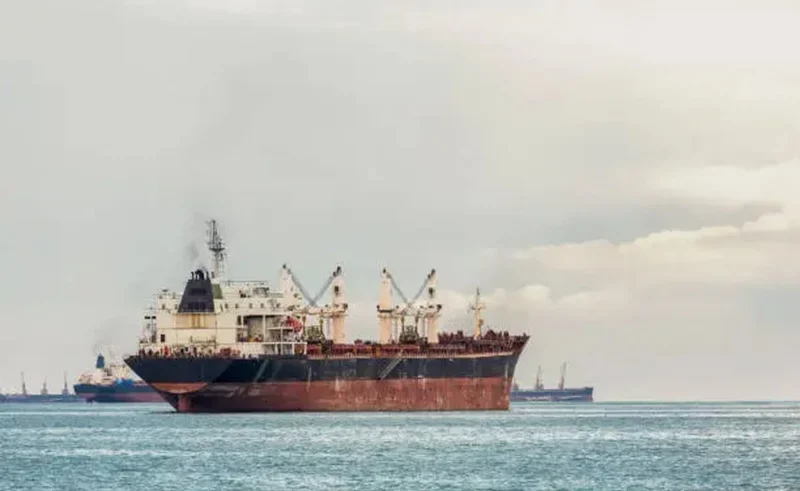
The U.S. enforcement action has also been stepped up to scrutinize the “shadow fleet“, where oil tankers accused of conveying sanctioned oil in intricate shipping arrangements and ship-to-ship transfers come into question. Many of these transports take place in waters close to Malaysia and Indonesia ahead of the cargo destined for its final destination.
Authorities have stepped up their control measures, leading to escalating insurance costs, compliance expenses and delivery times for shipping firms. Even in the case of Iranian crude which costs less per bbl, freight and transit, along with the insurance premium, can make the landed cost bigger.
Competition for Alternative Oil Supplies
The demand from Asian customers decreases, they will require barrels from other countries like Saudi Arabia, Iraq, Dubai, United Arab Emirates or West Africa as well. Such a surge in demand may push up spot prices in the region and exert pressure on official selling prices.
Higher crude prices will likely hit importers of fuel who are price sensitive like India, Thailand and the Philippines, since crude oil prices eventually work their way into transportation, manufacturing, electricity generation and fuel prices set for consumers.
Explore more payment updates.
How Will Viber Change Payments?
Check out the new digital payment feature.
Why Accept Yuan For Tourism?
Find how this move strengthens regional ties.
How Are Cross-Border Payments Easier?
Uncover the latest Indonesia–South Korea update.
Why Is Kedah Changing Fees?
See what the new payment plan means.
How Can You Track Refunds?
Browse the steps to check missing payments.
Financial Challenges Beyond Oil
Sanctions also make payment systems problematic. In lots of deals, this isn’t quite able to pass by means of the old-fashioned channels of U.S. dollars, and recipients are increasingly using local currencies like the Chinese Yuan or UAE Dirham. The regional banks involved in these transactions are at risk of facing secondary sanctions, too and will find it more difficult and expensive to provide financing.
Adding to this uncertainty for Asian energy markets, where continuous payments systems are essential for continued oil supplies, are these financial barriers.
FAQs
What is the U.S. targeting when it comes to buyers of Iranian oil?
Sanctions help the United States attempt to cut out Iran’s revenue from oil and deter other nations, companies and financial institutions from buying or enabling Iran’s oil crude.
What countries in Asia are worst hit?
China is the main importer of all Iranian crude along with the independent refineries. In other Asian countries competition for alternative oil supplies could have an indirect impact on importers.
What is the ‘shadow fleet’?
The ‘shadow fleet’ are ships believed to be involved in the transport of sanctioned oil by loading or unloading from other vessels without tracking systems, changing the exterior description of the ships, or by the use of the ships’ sail coupling/strapping to conceal the cargo.