









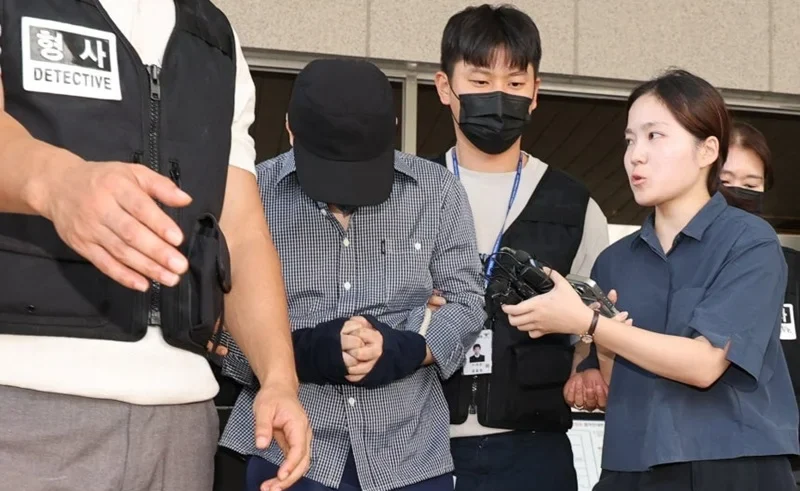
South Korea is facing troubling questions over how the missing persons cases in Jeju were handled after investigations revealed that police officers closed cases without taking the time to verify the missing person’s safety. The missing persons scandal in Jeju has extended past the level of individual negligence, to questioning the facts of the crime, lack of supervision, and the shortcomings of South Korea’s missing person response system. Officials are now probing back through cases to see if persons who were “found” were actually found, and whether anyone has been found by the authorities.
Jeju Missing Persons Scandal: What Happened?
The controversy is over how officers at Jeju Dongbu Police Station have handled missing persons reports.
The investigation revealed instances of officers failing to confirm the resolution of missing-person files even though they were reported, the South Korean media reports said. Sometimes, police said that they had been in contact with people who were missing but later investigators were unsure if that had happened.
The problem was more serious because it wasn’t just paperwork that was required to close a missing-person case. After an individual is found, searches and follow-up efforts may be halted.
South Korea’s National Police Agency oversees policing nationally, while missing and vulnerable-person information is also supported through government systems such as the Safety Dream portal.
Timeline of the Jeju Missing Persons Investigation
There were concerns about irregularities in the closure of some cases at Jeju Dongbu Police Station.
Police started researching records from officers handling missing person cases, in South Korea reports said. Investigative actions and discrepancies between official case documentation and investigative actions were reportedly found in the review.
The investigation was then extended to a multi-file format. Police started to re-investigate some of the closed missing persons cases to see if there had been any contact in the past with the persons concerned.
The scandal picked up more momentum when it was reported that some missing persons records might have been fabricated to indicate that the persons had been found.
Reporting from The Korea Herald and other Korean news organisations has highlighted the broader scrutiny surrounding the case and the questions being directed at Jeju police leadership.
Alleged Police Misconduct Raises Serious Questions
Cases Reportedly Closed Without Proper Verification
But at the core of the investigation into police misconduct on Jeju is a very basic and very profound question: Was it possible for police officers to actually confirm that people they recorded as found were safe?
People can go missing in a blink of an eye and hence verifying is very important in a missing person’s case. They can be injured, into a crisis, avoiding contact because they choose to or in danger from a criminal.
It is possible that closing a case on false information would result in no further investigation when one is still needed.
The complaints have also thrown into doubt whether officers had followed protocols when contacting by phone, confirming with the person, documenting, and communicating with the family.
Why the Scandal Points to Systemic Failures
It’s not just the individual officers who are the subject of controversy. It also poses issues of police supervision and case-management protections.
There is a risk that a system might rely too much on individual reporting if an officer doesn’t need to validate a missing-person investigation after marking it as resolved. Supervisors also should have good tools to identify odd closure patterns or incomplete investigative documents.
Three questions are particularly important: Does the closed case ever get routinely audited? Is the evidence supporting closed cases verified by the supervisor? Is family informed before searches are terminated?
The safeguards are important because missing person investigations are time-sensitive. Delayed searches may be less likely to lead to the acquisition of CCTV footage, compromise witness memory and may limit opportunity to follow up on digital or physical evidence.
What Happens to Previously Closed Cases?
The Jeju missing cases investigation has the most significant impact on historical cases.
Police should confirm if people who were known to be safe are still safe. Any cases without reliable verification may need further investigation.
This may include: Looking through government records, checking information from phones using legal means, hearing statements from family or other evidence of actual contact.
The emergency number 112 can also be used for immediate assistance from the police in South Korea, and information on missing children and other vulnerable people can be reported on the country’s 182 system. Advice can be obtained from the Korean National Police Agency.
Related Stories Worth Exploring
What Happened Behind Gold Medalist Buzz?
Check out the viral claims and the scandal surrounding the Gold Medalist buzz.
Should Parents Face Blame Here?
Find the key questions surrounding the Hong Seok-jun scandal and parental responsibility.
What Happened to Melanie’s Husband?
Uncover the latest details behind the Melanie Marquez and Randy ‘Adam’ lawyer scandal.
Which Southeast Asia Scandals Shocked Everyone?
Browse the Top 7 biggest corruption scandals and the stories behind them.
Why Did Yoon Face Martial Law?
Look into the South Korea crisis and the martial law scandal involving President Yoon.
Why Public Trust Is at Stake
Cooperation between police and families and communities is vital to missing-person investigations. Families need to be able to rely on the report to be investigated properly and they will be given accurate information.
If you have to make up a story, it’s worse damage to your reputation. When police reports are not accurately recorded, it can affect the public’s confidence in every decision made in police case management even if there is no harm done.
The investigation will therefore have to determine, apart from the identity of the wrongdoer, how the alleged failures could have gone undetected.
FAQs
What is the Jeju missing persons scandal?
The Jeju missing persons scandal concerns allegations that police officers improperly closed missing-person cases and recorded individuals as found without adequate verification.
Which police station is involved?
The controversy has centred on Jeju Dongbu Police Station and its handling of previously reported missing-person cases.
Are old missing-person cases being reviewed?
Yes. Authorities have been examining previously closed files to determine whether reported contact and case closures were legitimate.
Why is the case considered a systemic problem?
The allegations raise questions about supervision, auditing, documentation and safeguards designed to prevent missing-person cases from being closed incorrectly.