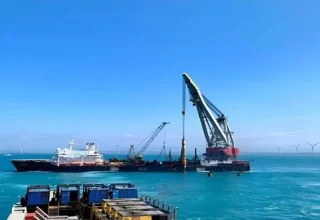









Legitimate goods are transported in vast quantities around the world every day, across continents, linking businesses, consumers and economies. These interwoven networks, however, are also endangered by organised criminal networks linked to international drugs trade.
Global Drug Shipping is increasingly raising concerns about the weaknesses of international transportation, goods monitoring and port security.
Governments are under growing pressure to improve their criminal enforcement efforts, while maintaining the integrity of commercial supply chains. Commercial supply chain weaknesses have become a target for criminal organisations, and governments are increasingly under pressure to strengthen their criminal enforcement efforts without compromising the integrity of commercial supply chains.
Global Drug Shipping: Why Maritime Trade Faces Risks
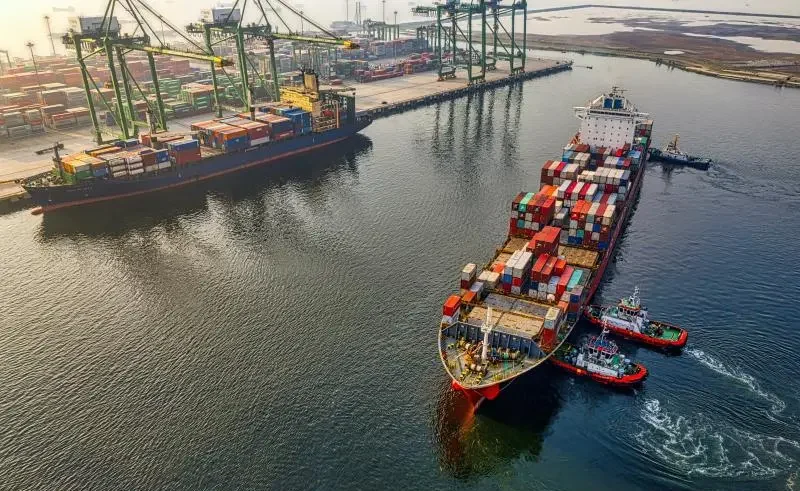
Maritime transport is still a vulnerable sector for organised crime, the United Nations Office on Drugs and Crime has said. International shipping networks are complex, with multiple intermediaries and cargo volumes making it difficult to keep the whole process under control.
How Criminal Networks Exploit Supply Chain Weaknesses
Cargo documentation, commercial responsibility and logistics control may be weak, allowing for the exploitation by drug trafficking organisations. Corruption and lack of information sharing can also compromise enforcement, highlighting the need to go beyond the customs service and extend security duties to shipping companies.
The Impact of Maritime Drug Trafficking on Global Trade
Increased costs of enforcement and loss of trust in international supply chains are the costs of trafficking. Ports that are linked to a history of criminal activity might be subjected to additional screening, impacting on legitimate businesses and shipping efficiency and international commercial ties.
Strengthening Port Security Through International Cooperation
Prevention needs to be coordinated customs inspections, sharing of intelligence, transparency of logistics and enhanced anti-corruption protections. The World Customs Organization and UNODC have sponsored programs that highlight the need for government and private shipping company cooperation.
Recommended Reads
How Do Global Conflicts Disrupt Southeast Asian Supply Chains?
Did Malaysia’s COVID-19 Measures Disrupt Supply Chains?
Why Did Wuhan Issue a Red Flood Warning?
Can the Indo-Pacific Build Stronger Supply Chains?
Why Are Vietnam’s Imports Facing Greater Scrutiny?