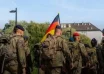










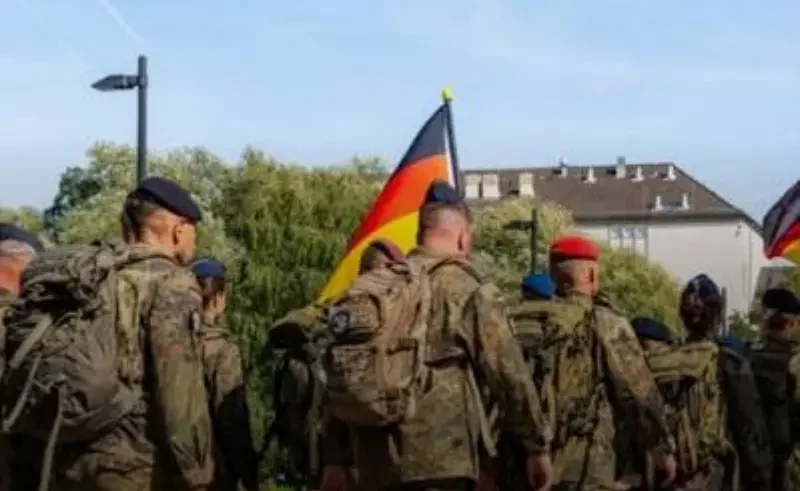
Germany’s swift military build-up is transforming the security dynamics in Europe and its role as a leader in the field, and questions are being raised about the further balance of power in Europe.
The Germany Military Expansion programme is an indication of Berlin’s resolve to beef up the German armed forces amid Russia’s invasion of Ukraine and Europe’s security concerns.
Nevertheless, Germany’s rise to become Europe’s top military spender also poses a strategic dilemma: how to make increased military power contribute to greater European security, not to its focus.
Germany Military Expansion Reshapes European Defence
The 2026 defence budget in Germany rises to €82.7bn, with the additional spending from its special Bundeswehr fund at €25.5bn. Berlin is to increase investments in personnel, ammunition and equipment, as well as increase defense spending to 3.5% of GDP by 2029.
Could Germany’s Growing Military Influence Unbalance Europe?
Germany is the largest military spender in Europe since 2025, according to the International Institute for Strategic Studies. Its growing financial weight may give Berlin more leverage when it comes to military procurement and military priorities, but it doesn’t mean that Berlin is more important, more dominant or more superior in terms of military capabilities.
NATO and EU Defence Cooperation Offer Strategic Safeguards
NATO’s 2025 defence commitment commits to spending 5 per cent of GDP on defence and on security needs by 2035. Coordinated planning, joint decision making and joint capacities can help ensure the growth of German military power is aligned to European security and doesn’t compete for the sole purpose of Germany.
Can Europe Build Collective Strength Without New Rivalries?
Part of the European Commission’s Readiness Roadmap 2030 is the development of coordinated defence capabilities, industrial cooperation and joint procurement. Such measures might spread out the tasks among European countries, but the financial burden, interests of industry and national sovereignty might be a barrier to its implementation.
The central question and challenge for Europe is not just Germany’s defence budget. France has a separate nuclear deterrent, Poland is building up conventional military force and small European countries have different security priorities.
Some German rearmament advocates say that a stronger military is needed to prevent aggression and to lessen Europe’s reliance on U.S. security guarantees.
But critics say that an imbalanced defence budget could focus the influence of industry and strategic choices on the largest economies in Europe.
These are both valid concerns. The expansion of Germany can enhance collective deterrence, but Germany’s stability will also rely on transparent decisions and credible institutions and meaningful participation by smaller allies.
FAQs
Why is Germany expanding its military?
Germany is increasing defence spending to address capability gaps, strengthen NATO commitments and respond to the deteriorating European security environment following Russia’s invasion of Ukraine.
Could Germany become Europe’s dominant military power?
Germany’s growing expenditure increases its military potential, but strategic influence also depends on operational readiness, nuclear capabilities, alliances and political cooperation.
How can Europe prevent a military power imbalance?
European governments can strengthen NATO coordination, expand joint procurement, share defence responsibilities and maintain transparent decision-making across participating countries.
Recommended Reads
Can Azerbaijan Help Europe Navigate the Hormuz Crisis?
Why Is Ceuta Facing a Migration Crisis?
What Is Behind Ceuta’s 2026 Migrant Crisis?
How Did Germany Overtake Japan Economically?
How Did Germany Become an Intermediary in Thailand’s Protests?