









As governments in Southeast Asia promote cross-border electricity cooperation, the region is advancing in a pivotal step towards going green. But investing in infrastructure is not enough to ensure a successful regional energy transition.
As neighbouring countries work out electricity trading deals, investments in renewable energy and shared power infrastructure, ASEAN Clean Energy Trust is becoming a necessity.
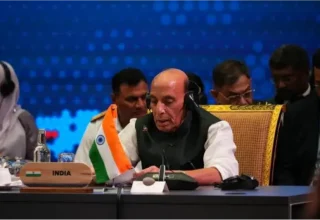
At the 44th ASEAN Ministers on Energy Meeting in Manila, the Philippines on 7th October 2026, regional electricity connectivity and cooperation were emphasized to ensure long-term energy security.
ASEAN Clean Energy Trust Is Essential for Regional Cooperation
ASEAN countries have diverse renewable resources and energy needs as well as infrastructure capacities. More collaboration could enable them to use electricity more effectively. But effective cross-border deals need clear pricing, reliable commitments and trust and confidence that governments of both countries will fulfil their obligations.
ASEAN Power Grid Could Transform Electricity Trade
The ASEAN Power Grid will enable national power grids to be linked together and promote multi-lateral power trading. Countries with high availability of renewable resources could export electricity to neighbouring markets, increasing energy security and decreasing reliance on fossil fuels.
Political Differences and Investment Risks Remain Challenges
Regulatory differences, financing uncertainty, and differences in infrastructure costs are issues with cross-border electricity projects. Project financing and risk allocation still pose a challenge, says the Asian Development Bank. Investors might be reluctant to invest in transmission systems if there were no guarantees made in advance.
Shared Renewable Energy Targets Demand Collective Action
ASEAN Plan of Action for Energy Cooperation 2026–2030 targets 30% of the ASEAN primary energy supply should come from RE by 2030 and 45% of installed energy capacity should be RE by the same year. To accomplish these objectives, teamwork and trust is necessary in investment planning and collaboration.
In addition to infrastructure, regional trust also relies on fair electricity contracts, transparent environmental standards and means for dispute resolution.
Countries have to consider the energy security of their own country while also taking into account the responsibilities and financial risks that they will need to shoulder if they are to gain from projects in their region.
Recommended Reads
What Threatens ASEAN’s Energy Security Today?
Could Nuclear Energy Power Singapore’s Future?
How Is Japan Supporting ASEAN’s Energy Security?
Why Does ASEAN Need a Regional Power Grid?
How Can ASEAN Protect Clean Energy Infrastructure?