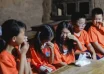











In China, there are some parents who pay thousands of yuan to send their children out of the city to the countryside for work. The hardship camps in China offer to inculcate discipline, gratitude and resilience in youngsters through chores they have not done before.
However, as videos of children crying and tired spread online, a hard question arises: Does suffering make a child stronger when they feel burdened and not supported?
Why parents are paying for hardship
“chi ku” is the Chinese term for “eat bitterness”, meaning to teach kids about effort and the value of the comforts of everyday life. In Sichuan, Guizhou and Yunnan, in the majority of rural areas, children are required to dig potatoes, care for animals, chop firewood, or carry goods on mountain trails. Organisers say they represent the origins of food and the amount of work required to produce a meal. The use of phones is also limited in some programmes, depriving children of their familiar routines.
The fees are steep. A 10-day course costs more than 4,000 yuan; a month-long course costs more than 10,000 yuan. Even with these rates, parents have increasingly been seeing videos of children crying or requesting to go home, spurring an increase in requests to enroll children.
Lessons or too much pressure?
Parents often hope an intense experience will make children more thankful, less dependent on screens and more willing to study or help at home. But a short camp cannot guarantee lasting change. The goal, organisers say, is to make children notice the effort behind ordinary comforts- not to turn them into different people overnight.
Child-development experts draw a line between manageable challenges and distress that overwhelms a child. Harvard University’s Center on the Developing Child says resilience grows when children learn to handle manageable stress within stable, supportive relationships. Severe or prolonged stress without reliable support can undermine rather than strengthen a child’s sense of safety.
What parents should look for
Hard work can teach patience, teamwork and respect for rural labour- but only if activities are safe, suited to a child’s age and explained honestly. Parents should ask who supervises children, how heat and exhaustion are handled, whether children can rest or seek help, and how staff respond when someone becomes distressed. Children should know what they are signing up for, not be tricked into attending.
The real test is not whether a child returns home obedient after a tough week. It is whether the experience leaves them more able to solve problems, trust adults and face difficulty. Resilience is built through challenge, care and practice- not suffering alone.
Recommended Reads
What Is the Secret Behind This Man’s Longevity?
How Did Zhou Qunfei Become a Billionaire Entrepreneur?
How Close Is China to a Trillion-Dollar Trade Surplus?
What Is Celebrated on July 23?
How Is Singapore Limiting Children’s Screen Time?