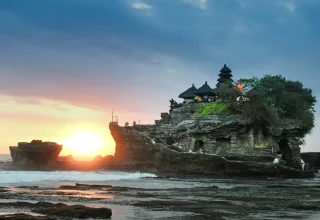

The beaches of Indonesia’s iconic paradise are golden, the rice terraces verdant, and the beach clubs brimming with colors. The beaches are golden, the terraced rice fields are lush, and the beach clubs are bright. Over the years, digital creators and content creators have been using the island as an open-air office, replacing the social promotion with luxurious accommodations.
As of May 2026, however, the local government has begun a tight enforcement of the creative economy. Your relaxed digital lifestyle might soon turn into an administrative nightmare if you’re running on a regular tourist entry permit. Full compliance with the law is being actively monitored online by local authorities.
The Crackdown on Unlicensed Content Creation
The fundamental problem is that there is a legal separation between leisure travel and commercial productivity. For immigration purposes, any activity that creates material value is considered work, even if it does not involve monetary transactions.
Tightening the Reins on Creative Exchanges
Many filmmakers have come on an ordinary visa-on-arrival and shoot lifestyle scenes, and tagged boutique villas and stayed free of charge in the past. Now the Indonesian Immigration Department has clarified that this practice is an undocumented commercial transaction. The presence of such exchanges, without valid documents, is against national border policies.
The Official Indonesian eVisa Portal states that travelers who plan to make professional media or do business photography will need to get a special business visa or cultural visa before traveling to Indonesia. Failure to do so may lead to fines, a regional blacklist, or formal withdrawal from the country.
Navigating Border Protocols for Digital Nomad Compliance
To ensure your travel plans and sustain your creative career, it’s crucial to sync your digital presence with local migration frameworks. The government has updated its monitoring procedures and introduced automated monitoring tools to detect foreign nationals carrying out unlicensed businesses.
Transitioning to Legitimate Permits
For those whose ultimate aim is to create and distribute high production value visuals—such as promotional media or film—then a simple entry stamp isn’t an option anymore. Creators are strongly encouraged to make the switch to the official ” Remote Worker Visa” (E33G) or get a local sponsor to process a temporary work permit.
These are legal channels that give full authorization for managing digital platforms and working with local hospitality brands legally, as highlighted by the Directorate General of Immigration Indonesia. Compliance at the border is also about digital nomad compliance, allowing your media production to stay perfectly legal and out of trouble with a random check.
Explore stunning beaches and unforgettable island escapes.
Which Jakarta Beaches Are Worth Visiting?
Check out the top spots and travel tips before planning.
What Makes Bali A Dream Escape?
Dive into beaches, hotels, and nightlife worth exploring.
Where Are Bali’s Hidden Beaches Located?
Uncover peaceful coastal gems away from the tourist crowds.
Which Cebu Beaches Should You Explore?
Experience paradise destinations perfect for every kind of traveler.
What Are Philippines’ Top Beach Picks?
Browse the must-visit beach destinations across the country.
The Strategic Importance of Legal Alignment
The enforcement wave forms a broader approach for improving the quality of regional tourism and safeguarding the local employment base. The administration will ensure that the digital creator market is regulated, thus providing local agencies and licensed photographers with fair competition.
Enhancing Regional Security Metrics
The enforcement strategy is heavily coordinated across municipal checkpoints. Neighboring travel hubs are observing these digital oversight models closely. For context on how nearby nations manage similar border automation, you can review the latest updates on the Malaysian Immigration Department portal or explore regional travel safety guidelines published by the Singapore Ministry of Foreign Affairs.
Additionally, global tracking metrics provided by the World Tourism Organization indicate a growing international trend toward the strict regulation of micro-influencer economies in highly sought-after vacation destinations.
FAQs
Can I still post casual holiday photos on my personal account?
Yes. If you’re on a tourist visa, you can post personal travel stories, family photos, and any other non-public updates on your personal feeds. The limitation applies to commercial relationships, sponsored marketing campaigns, and direct branding relationships involving a material exchange.
How does immigration know if a post is a barter deal?
Regional trending hashtags, geolocations, and explicit sponsorship disclosures (like “Paid Partnership”) are regularly audited by officers. If a profile regularly uses luxury hospitality properties and does not have a valid work visa, it will be subject to a compliance review.
What should I do if a local brand offers me a free stay?
When traveling with a tourist permit, avoid formal commercial and/or promotional commitments; it is best to refuse courteously. If you want to collaborate, make sure you have a valid remote work visa (RWV) or request the host brand to arrange a legal visa with a certified brand in the country.