
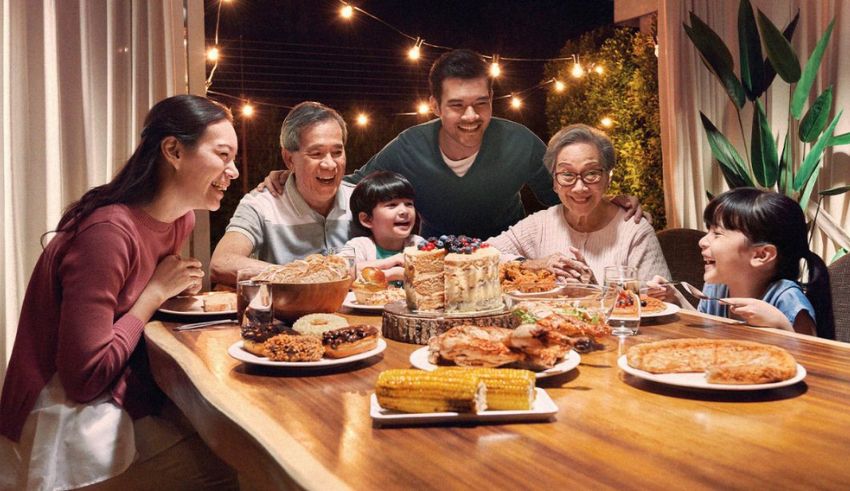
Filipino culture is centered around the family, which emphasizes close-knit relationships and strong bonds. Like every culture, there are, nonetheless, certain deeply embedded characteristics that, although founded in history, can occasionally become poisonous.
To create connections that are healthier and more inclusive for all generations, this article seeks to focus light on eight harmful Filipino family characteristics.
1. Overemphasis on “Utang Na Loob” (Debt of Gratitude)
Although appreciation is important, too much attention to “utang na loob” might result in unfavorable power relations. Developing mutual respect and understanding is more important than sustaining a sense of debt.
2. Unrealistic Expectations on Academic Achievement
There is a strong cultural emphasis on academic excellence in the Philippines. It’s critical to strike a balance between praising accomplishment and acknowledging each person’s unique gifts and interests to avoid emotional stress and exhaustion.
3. Rigid Gender Roles
The growth of oneself and one’s career may be hampered by traditional gender norms. By questioning these expectations, we may create a more welcoming atmosphere where all family members, regardless of gender, are free to follow their dreams.
4. Taboos Surrounding Mental Health
Mental health issues are frequently disregarded or stigmatized. Opening up dialogue about mental health can help to reduce obstacles and motivate family members to get help when they need it.
5. Preference for Biological Children
Choosing biological children over adoptive ones might reinforce emotions of inferiority and isolation. Fostering an inclusive family atmosphere means promoting love and acceptance regardless of biological ties.
Keep Reading





6. Cultural Pressure to Marry Early
Early marriage pressure from society might impede personal development and self-discovery. Encouragement to follow one’s dreams before marriage might result in happier and more harmonious family members.
7. Overreliance on “Hiya” (Shame) as a Form of Discipline
While teaching principles is important, using “hiya” as the only form of discipline might result in repressed feelings and a communication breakdown. Fostering understanding and open communication within the family can help to improve relationships.
8. Interference in Adult Children’s Lives
Controlling your adult children’s decisions might undermine their independence and self-worth. Encouraging self-sufficient and flourishing family members requires setting clear limits and providing opportunities for personal development.
In the Filipino setting, identifying and confronting harmful family tendencies is an essential first step toward creating healthy connections. Families may bridge generational divides and create places where each member can develop individually while positively contributing to the overall well-being of the family unit by embracing open communication, questioning conventional conventions, and establishing a more inclusive atmosphere.