









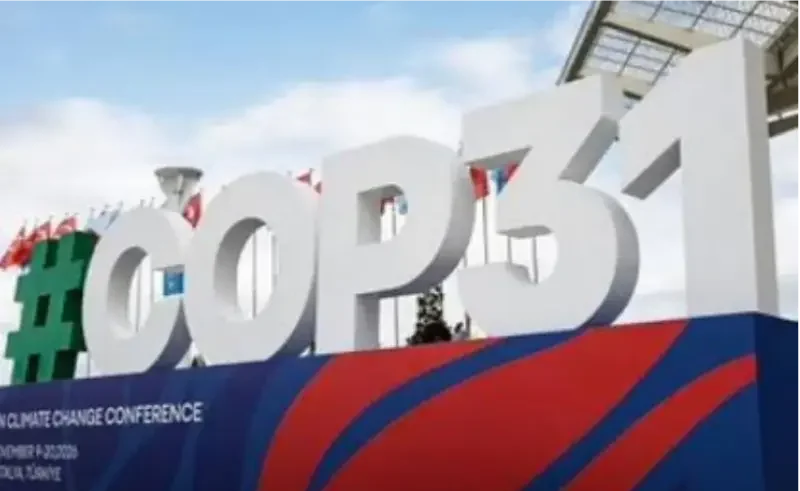
The European Union and some other countries were upset about the lack of mention of fossil fuels at the proposed climate deal, which failed to reach a big political deal at the COP31 climate summit in Antalya, Turkey. The talks which went over the agreed November 20 deadline revealed a broad gap between those countries which wanted to make a definite shift away from coal, oil and gas and those big fossil fuel producing countries. The result raises some serious doubt about international cooperation with climate change.
Fossil Fuel Dispute Becomes the Biggest Obstacle at COP31
A debate over phasing out fossil fuels has broken out over a revised draft that eliminated specific language about fossil fuel phase-out. The European Union and the United Kingdom refused to sign up, as did several vulnerable island countries, saying the agreement was a step backward from earlier climate agreements. Their stance mirrored the increasing calls for a clear path to lessen reliance on coal, oil and natural gas.
EU and Other Nations Reject the Proposed Climate Agreement
The EU will not support an agreement that does not include the word fossil fuels, Ireland’s Climate and Energy Minister Darragh O’Brien said in his capacity as a spokesman for the EU. Several Pacific Island states had also objected, stating that the proposed language did not reflect the urgency of the climate crisis and this was the case for Panama. Since the decisions of COP31 must be unanimous, the objections made to the proposed Antalya Pact caused it not to be adopted.
Oil Producing Nations Oppose Fossil Fuel Phase Out Language
Saudi Arabia and other oil and gas producers were resistant to any greater level of stringency on fossil fuel reduction, preferring technologies like CCS. These countries called for flexibility in determining energy policy; critics raised doubts about the feasibility of carbon capture in achieving the required emissions reductions. The negotiations were complicated by differences in the field of climate finance and support for vulnerable economies.
COP31 Ends Without Major Deal Raising Global Climate Concerns
The summit’s key political accord fell short of expectations and is a major blow to international climate diplomacy. While countries advanced on respective matters – with progress made on issues related to just transition and ocean related efforts, there were significant disagreements that were not resolved. The result underscores the dilemma of keeping energy secure, meeting economic interests, and pressing the need for global emissions cuts.
Recommended Reads
How Are Philippine Floods Reshaping ASEAN Climate Diplomacy?
How Is Singapore Greening Its High Rise Buildings?
What Is Driving UAE US Cooperation on Climate and AI?
Why Does Malaysia Want Stronger ASEAN Climate Cooperation?
Why Are Honda and Nissan Joining Forces?