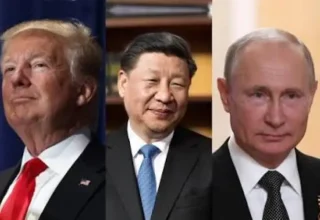










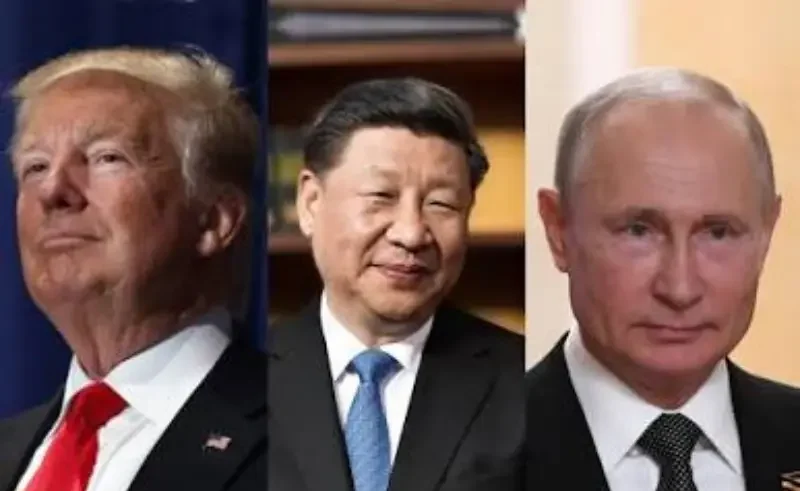
Trilateral talks with China’s Xi Jinping and Russia’s Vladimir Putin in Shenzhen, China, in the first-ever meeting between the leaders of the three countries finished with little real progress. The Nov. 19, 2026 meeting coincided with the APEC summit, and presented three strong leaders but their divergent geopolitical agendas. I believe that the summit showed that it wasn’t always possible to sit on the same negotiating table and agree on the same vision for global peace.
Three Leaders Entered Shenzhen With Different Political Agendas
Trump sought to make an impact on foreign policy, by means of personal diplomacy and to discuss international conflicts and nuclear security. Xi Jinping was looking to make China a more influential global figure, Putin was hoping to be seen as a global leader and lift the diplomatic mantle of isolation that has been thrust on his country. They had conflicting priorities that made it hard to find a common negotiating ground.
The Summit Delivered Promises Instead of Major Agreements
The leaders delivered a four-point Declaration toward Peace on issues of United Nations reform, energy supplies, international legal jurisdiction and nuclear risk reduction. The declaration did not include specific time limits, enforcement methods, or specific pledges, however. There were no tangible results on Ukraine, Iran and nuclear arms control that revealed the extent of their talks.
Xi and Putin Gained More From the Diplomatic Spotlight
To Xi, the historic gathering was a showcase of his country’s great power as an international convener for the first time without making any concessions in policy. Putin had a chance to show up with the leaders of the two world’s biggest powers, dispelling the idea that he was alone. Trump took the historic photo but had a hard time achieving tangible results through personal diplomacy.
Why the Shenzhen Summit Matters Beyond Its Limited Results
One worry is that more and more, powerful countries might try to influence international decisions without consulting the countries that they would affect. The lack of participation by Ukraine in talks regarding its conflict and worries on the part of its allies in the United States underscores the dangers posed by great power diplomacy. Finally, in terms of the historic images, Shenzhen cannot be assessed from its images but whether it leads to meaningful negotiations and lasting actions.
Recommended Reads
What Could a Trump Xi Putin Summit Mean?
Why Is China Planning a Three Way Summit?
What Is the Quad Discussing in Manila?
Can Three Asian Neighbours Strengthen Their Ties?
What Is Driving Progress on the TRIPP Corridor?