









Ebola is still one of the world’s most dangerous viral ailments as it can cause very bad sickness and death, and is transmitted by contact with infectious fluids from the body. With Ebola outbreaks still being a major topic of concern around the world in 2026, it is vital that travellers, health professionals and communities follow the symptoms, transmission routes and vaccines available for Ebola.
Of major importance, an outbreak of Ebola is a public-health emergency that must be quickly identified, isolated, traced and given specific medical treatment.
What Is Ebola?
Viruses from the Orthoebolavirus genus cause Ebola virus disease. Early recognition may be difficult as disease symptoms mimic several infections.
The onset of symptoms usually occurs after 2-21 days of incubation. Are there any initial symptoms? Consider sudden fever, severe weakness, muscle pain, headache and sore throat.
As the disease advances, vomiting, diarrhea, stomach pains and eventually, bleeding and organ malfunction can occur in severe cases. If people have symptoms that are compatible with a possible exposure, they should seek immediate medical evaluation.
How Does Ebola Spread?
The spread of Ebola does not occur by normal means like air-borne transmission or casual contact such as those with measles and influenza. Transmission is mainly through direct contact with the blood or other bodily fluids of an infected person.
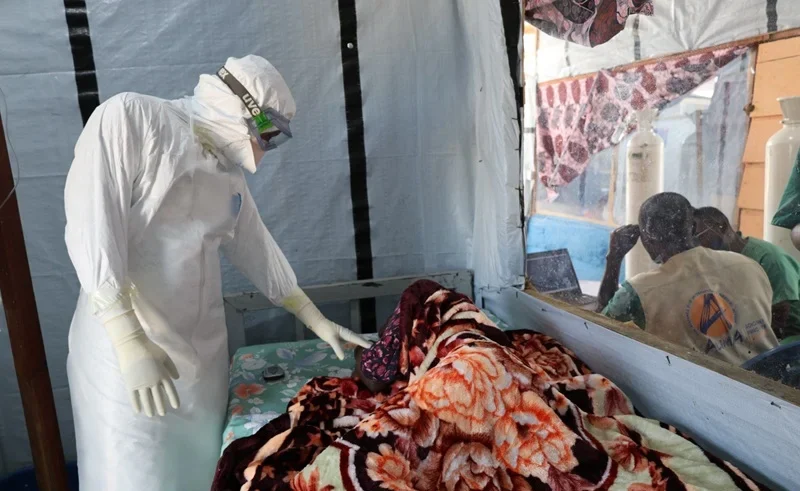
The virus may also get dispersed onto contaminated merchandise, similar to medical equipment and clothes. Therefore, healthcare workers and their family members, who are caring for those who are infected, may be at risk of being exposed especially in the absence of protection in place.
Those infected by Ebola may be extremely contagious and therefore safe and compassionate burial is a critical component of outbreak control.
What are the major symptoms of ebola?
Fever, fatigue, muscle aches, headache and sore throat are early symptoms. Initially these symptoms are similar to those of malaria, the flu or other highly common infections.
Subsequent symptoms may include vomiting, diarrhoea, abdominal pain, rash and unexplained bleeding and bruising. Symptoms can range from mild to extreme, and can include shock, organ failure and death.
Laboratory tests and a proper medical evaluation are required for Ebola diagnosis since symptoms can be similar to the symptoms of other diseases.
Is There an Ebola Vaccine in 2026?
Zaire ebolavirus is the type that has caused large outbreaks like the 2014-2016 West African outbreak, and is for which there are vaccines. Outbreak response relies on vaccinations to play a significant role.
In outbreak situations, the vaccines can be strategically targeted in contacts, first responders, those at high risk, etc. They are available, and depend on viral species and conditions of any given outbreak for recommendations on use and/or deployment.
Vaccination is therefore just part of the Ebola control. Rapid diagnosis, isolation, treatment, contact-tracing, infection prevention and community engagement remains crucial.
Stay informed on Asia’s latest health alerts!
Why Is WHO Watching Mpox Closely?
Check out why WHO is calling an emergency meeting.
What Are Thailand’s Hantavirus Warning Signs?
Find out the symptoms, reporting rules, and quarantine details.
Why Are Experts Tracking Hantavirus?
Uncover how Hantavirus spreads and ways to prevent infection.
What Does Bangladesh’s Reovirus Discovery Mean?
See the possible causes and symptoms of the newly detected virus.
Could Nipah Virus Raise Pandemic Fears?
Track down why a teenager’s death in India has sparked concern.
How Can People Protect Themselves?
Persons in affected areas should follow the instructions of public-health officials and refrain from contact with any suspected or confirmed patients’ bodily fluids. Proper PPE and infection control measures should be used by healthcare workers.
In addition, travelers are advised to seek the most up-to-date information about an outbreak before visiting a location where the outbreak is occurring. If someone complains of symptoms consistent with the disease and has potentially had exposure to the case, they should let their healthcare provider know of their travel history or contact detail as soon as possible.
FAQs
What are the first symptoms of Ebola?
The symptoms are often sudden fever, fatigue, muscle pain, headache and sore throat. They may appear to look like other infections, so it’s important to know about a person’s history of exposure.
Is there airborne transmission of Ebola?
While measles and influenza can spread via the air, so can surface water, splash, and foam, Ebola is not considered an airborne disease. Direct contact with infected body fluids or contaminated materials is the main way it is spread.
How many days before people get symptoms of Ebola?
It can develop within 2 – 21 days after exposure but the time frame varies person to person.