

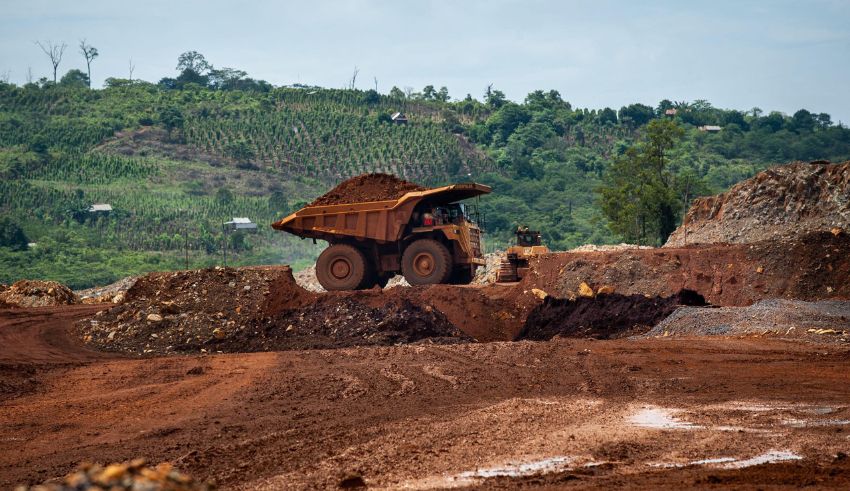
Indonesia’s relentless crackdown on illicit nickel mining has left the nation grappling with a severe nickel shortage, pushing it to seek ore imports from the Philippines to sustain its smelting operations. As the world’s top nickel producer, Indonesia’s ongoing corruption probe within its government has delayed the issuance of vital nickel mining quotas.
Official customs data from Indonesia reveals a startling influx of over 53,000 tonnes of nickel ore from the Philippines to Indonesia’s Morowali region in May and June. This region houses the colossal nickel smelting complex of Tsingshan, the globe’s largest stainless steel producer. Surprisingly, these imports persisted until at least September, with one notable shipment of 39,500 tonnes traveling from the Philippines to Weda Bay, another significant nickel smelting site.
Indonesia’s meteoric rise in nickel production – an essential component in stainless steel and electric vehicle batteries – has raised concerns worldwide about environmental impacts and regulatory efficacy.
How Important is Nickel Ore for Indonesia?
Nickel ore, predominantly composed of waste with over 98% impurities, rarely sees international shipping due to cost implications. Indonesia’s abrupt pause in quota issuance starkly highlights the challenge in aligning regulations and enforcement with the industry’s breakneck expansion.
In response to the situation, the Indonesian government established a task force striving to revive quota issuance. Though discussions took place with mining companies facing quota shortages, insiders report no concrete solutions have emerged from these deliberations.
With approval for quotas hanging in the balance, mining firms urgently seek supplies to ensure the smooth operation of their smelters through year-end, adding to the complexity of the situation. French miner Eramet has already revised its 2023 nickel ore production forecast downward due to these quota shortages.
Keep Reading

The government’s crackdown began with Aneka Tambang, a state-owned miner, after neighboring mines were found guilty of illegal mining in areas designated for Aneka Tambang, resulting in substantial state revenue losses, which Indonesia categorizes as “corruption.”
This anti-corruption endeavor is part of a comprehensive government strategy to maximize the value extracted from nickel resources, encompassing domestic mineral processing and the development of the steel and battery production sectors.
Analysts foresee potential supply constraints causing a ripple effect in global nickel prices, as evidenced by the surge in prices of Philippine nickel ore and the premium attached to Indonesian nickel ore due to panic-driven purchases.
Olivier Masson, a nickel analyst at Fastmarkets, warns of an impending “chokepoint for refined nickel supply” if production at specific mines is halted until year-end, depleting available stockpiled materials.