
Thailand has been the hub of backpacking and remote work in Southeast Asia for almost a decade. But a huge demographic change is taking place. There’s a new generation of travellers and digital nomads who are packing their bags and skipping the Bangkok traffic to reach Hanoi, Da Nang and Ho Chi Minh City.
The key factor in this abrupt relocation? Affordability and authenticity and infrastructure. Indeed, Vietnam has received the largest number of foreign visitors in the first four months of this year with 8.8 million arrivals, up a massive 14.6% from the same period last year, according to official figures from the General Statistics Office of Vietnam.
Vietnam is fast becoming the travel destination of choice for anyone looking to make the most of their money without compromising on their quality of life, here are 5 reasons why.
1. Unbeatable Cost of Living and Dynamic Workspace Culture
If we talk about value, Vietnam should definitely leave the other countries in the Asian region behind. Thailand’s escalating consumer inflation and the substantial tourism tax have slowly raised the cost of living for everyone, but Vietnam is a true haven for remote workers with a tight budget.
You can rent a comfortable private apartment in Da Nang or HCMC for a fraction of the price of renting a private apartment in Bangkok or Phuket. In addition, Vietnam’s cities have a growing, world-class cafe culture. In beautiful, laptop-friendly cafes, digital nomads can enjoy super-fast, bidirectional fiber-optic Wifi at the cost of a $1.50 USD iced milk coffee (ca phe sua da).
2. Flexible Visa Reforms and Long-Stay Workarounds
Navigating immigration paperwork has historically been a headache for long-term travelers, but Vietnam has significantly leveled the playing field.
The Power of the 90-Day E-Visa
The Vietnamese government has revised its immigration policies to welcome ‘elite professionals’ who are not tied to any location. For the first time, citizens of any country can apply online for an e-visa that is valid for 90 days and can be used repeatedly. This long window of opportunity will enable Gen Z travellers and digital nomads to take time to visit the different geographical regions of the country without the stressful and frequent monthly “border runs” that are now severely limited in Thailand.
Streamlined Entry Frameworks
The official portal run by Vietnam National Administration of Tourism has very simplified tracking and entry systems online. These digital optimizations guarantee that young creators, freelance developers and remote workers can get their entry paperwork in as little as 3 business days for a small fee of $25 USD.
3. Authentic Travel Over Staged Commercialism
The number one gripe of backpackers from Generation Z is that the popular tourist locations in Thailand are overly commercial and exclusively for mass tourism. In Vietnam, however, people get a raw deal with their culture.
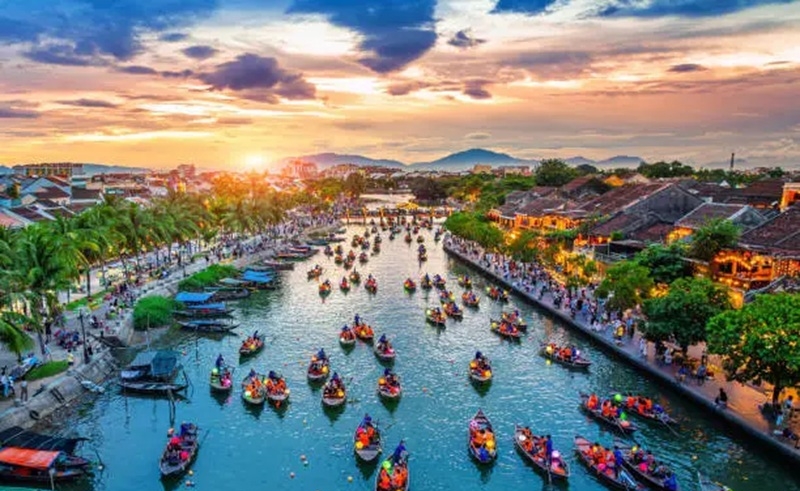
From the ancient lantern-lit streets of Hoi An, the spectacular caves of Phong Nha, to the mists of the mountains in the north where you can take a sleeper bus, the nation is both ancient and accessible. This is in keeping with Gen Z’s love of highly authentic, experiential travel which is so contrary to traditional tourist tours.
4. The Rise of World-Class Hubs Built for Tech Nomads
Vietnam is not only a backpacker country anymore but it’s also a full-fledged global tech hub. Picturesque beaches, landlocked by pristine coastlines, have turned Da Nang into a mecca for budget-conscious remote workers, while the city’s wealth of contemporary, collaborative co-working spaces has truly made it a remote-worker’s dream.
Community is vibrant and ideal for the solo traveller, with many online communities, networking opportunities and ex-pats meet-ups taking place every day. The ideal mix makes it super simple for young professionals to set up a solid schedule while working around the clock with international time zones.
5. Next-Level Culinary Scene and Street Food Accessibility
Vietnam is a place that is inextricable from its food scene. Thai food is well known throughout the world, but eating out at a top-dollar Bangkok restaurant will drain your wallet very fast.
Eating is an everyday experience in Vietnam of the kind that is reserved for kings. Whether you’re grabbing a piping hot bowl of Pho from the street or a crispy Banh Mi sandwich, meals are available for under $2 USD, and they are full and packed with nutrition. This will make dining out for breakfast, lunch and dinner an excellent sustainable and low cost solution for extended travelers.
FAQs
Is it cheaper to live in Vietnam or Thailand?
On average, consumer prices, street food, and long-term apartment rentals in Vietnam are roughly 20% to 30% cheaper than in comparable urban and tourist areas in Thailand, making it highly attractive for budget travelers.
Does Vietnam offer an official digital nomad visa?
While a standalone, dedicated digital nomad visa is still under government review, remote workers successfully utilize the 90-day multiple-entry e-visa, which can be easily renewed via short regional flights.
Which Vietnamese cities are best for remote work?
Da Nang is highly recommended for those who love a beach-city hybrid lifestyle. Ho Chi Minh City offers a fast-paced, high-energy metropolitan environment, while Hanoi appeals to those seeking deep cultural heritage and a cozy cafe scene.
More Thailand Travel Updates You Shouldn’t Miss
Looking For Pattaya’s Best Hotels?
Browse top-rated stays near Pattaya Beach for a relaxing luxury getaway.
Will Thailand Cut Visa-Free Stays?
Check out the latest cabinet review that could affect your travel plans.
Making These Nomad Travel Mistakes?
Find common errors digital nomads are making across Bali and Thailand.
How Do New Visa Rules Impact?
Uncover what Thailand’s latest visa changes mean for summer travelers.
Completed Your Thailand Arrival Card Yet?
See the simple steps needed to submit the mandatory TDAC form online.