
The tranquil skies above Japan were shattered by a resounding explosion, marking a significant setback for the nation’s burgeoning private space industry.
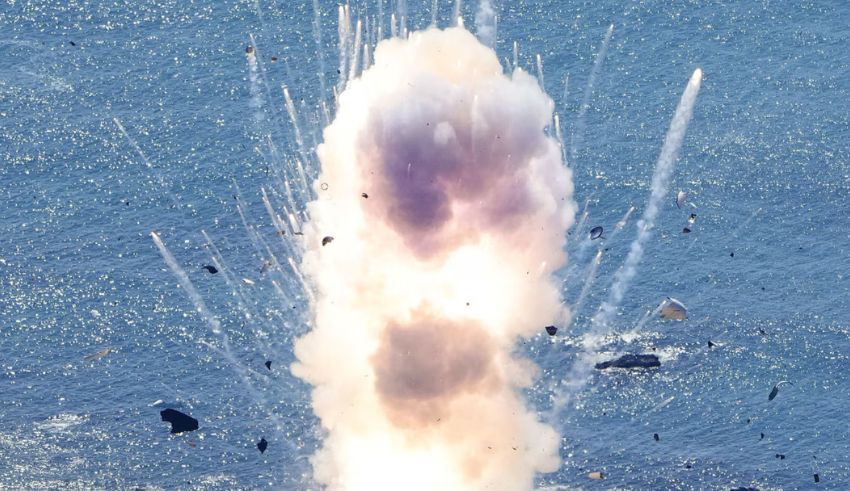
The Kairos rocket, developed by Space One, was poised to make history as Japan’s first privately-funded rocket to breach the Earth’s atmosphere. However, what was supposed to be a momentous inaugural launch quickly turned into a harrowing ordeal as the rocket burst into flames mere seconds after liftoff from Space Port Kii in Wakayama Prefecture.
The Launch and Subsequent Tragedy
Amidst a backdrop of anticipation and excitement, the Kairos rocket, standing at an impressive 18 meters tall and boasting four powerful stages fueled by solid propellant, embarked on its maiden voyage into the heavens. However, the jubilation of the launch was short-lived as disaster struck with brutal swiftness. Within moments of liftoff, the rocket veered off course, engulfed in a searing inferno that consumed it in a spectacular display of destruction. The plume of smoke billowing from the launch site served as a grim reminder of the fragility and perilous nature of space exploration.
In the aftermath of the catastrophic explosion, engineers and investigators from Space One and relevant authorities scrambled to unravel the mystery behind the disaster. Every aspect of the rocket’s design, construction, and launch sequence came under intense scrutiny as experts sought to pinpoint the root cause of the catastrophic failure. Was it a flaw in the rocket’s propulsion system? A malfunction in its guidance and navigation mechanisms? Or perhaps a failure in the structural integrity of the vehicle itself? As the investigation unfolds, the search for answers continues, underscoring the complex and unforgiving nature of space exploration.
Implications for Japan’s Private Space Sector
The repercussions of the Kairos rocket explosion reverberate far beyond the confines of Space Port Kii, sending shockwaves through Japan’s nascent private space sector. The failure of the launch dealt a significant blow to the industry’s aspirations and ambitions, casting doubts on the feasibility and safety of private space ventures. For a country with a rich history of technological innovation and scientific prowess, the setback serves as a sobering reminder of the formidable challenges inherent in the pursuit of space exploration.
As Japan’s private space industry grapples with the aftermath of the Kairos explosion, stakeholders are faced with a critical juncture. The incident serves as a crucible for reflection and introspection, prompting soul-searching and recalibration within the industry. Questions of safety, reliability, and regulatory oversight loom large as stakeholders endeavor to chart a path forward amidst the uncertainty and adversity.
Despite the setback, the indomitable spirit of human exploration endures, undeterred by setbacks and fueled by an insatiable curiosity to explore the cosmos. As Japan’s private space sector regroups and reevaluates its trajectory, it stands poised to emerge stronger and more resilient, ready to embark on a new chapter in the quest to unlock the mysteries of the universe.