

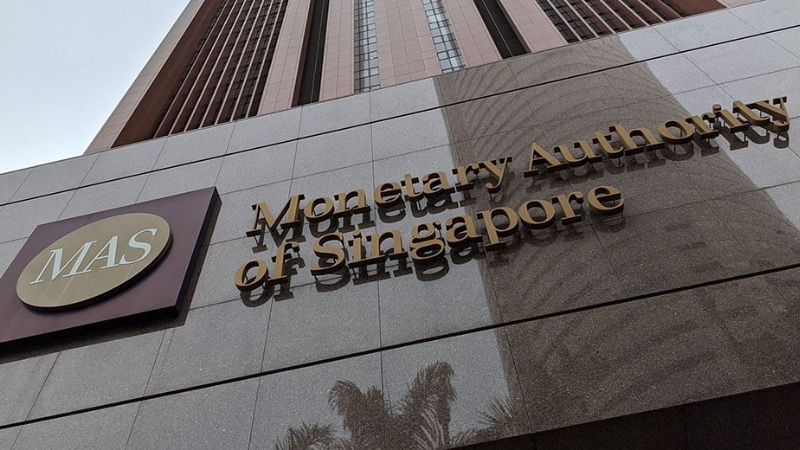
Monetary Authority Of Singapore (MAS), the financial regulator of Singapore has said that it will update the liquidity risk management framework of fund managers in Singapore to provide them with guidance in line with recognized international practices. The proposed changes are related to the need to provide additional protection to investors, improving market resilience, in particular, in case of market stress factors.
The suggested reforms are a result of increasing liquidity mismatch within funds liquidity mismatch, the liquidity of fund assets fails to match the liquidity of fund liabilities. This was a key problem that stood out during the disruptions of the markets caused by the COVID-19 pandemic and the ensuing geopolitical and economic shockwaves which revealed the flaws in liquidity arrangements supporting funds operating in the different regions of the world.
The proposed amendments made by the MAS are to a great extent in line with the principles presented by the International Organization of Securities Commissions (IOSCO), which invites regulators to include a comprehensive framework of effective liquidity management policy and measures among fund managers.
Key elements of the proposed changes include:
- Mandatory Liquidity Risk Management Programs: The fund managers will need to have documented and structured liquidity risk management programs, which can take care of ordinary market scenario and stressed market scenarios.
- Increased Frequency of Liquidity Assessments: The managers have to continuously review the liquidity risks on the asset funds and the redemption trends.
- Use of Liquidity Management Tools (LMTs): The framework entails certain tools that are required to be used, including swing pricing, redemption gates, and side pockets in the situation of market stress.
- Enhanced Disclosures: More transparency in the communications about liquidity risks and LMT used in the operations of funds will be beneficial to its investors
The asset management industry in Singapore has grown at a very fast pace in the last decade with more than SGD 5 trillion worth of assets currently under management. Due to increased complexity and globalisation of the portfolios, there is a desperate need to ensure good liquidity practices.
The action of the regulator is regarded as anticipatory so that the fund managers can be prepared in case of future distractions. Liquidity mismatches have the potential to result in a domino effect that destroys investor confidence and general stability of a market once left unresolved. MAS tries to avoid such systemic risks by raising the standards of regulation.
The set of new rules will not be equally applicable to all types of funds. MAS has also suggested the proposed risk-based mechanism in which more stringent requirements will be on funds considered to be more prone to the liquidity risk. This gives room to flexibility on implementation and at the same time the high-risk funds are amicably governed.
Such regulation restructuring also indicates the investor-centric governance of MAS. The regulator believes that by requiring stronger liquidity structures and better reporting the confidence levels will be raised among all investors, but in particular among retail players who are likely to suffer more under tighter liquidity conditions.
Although there is always the possible objection by some voices in the industry that the compliance will end up costing more, in the long term, the benefits of an environment with stability in finances and uniformity across the globe are likely to be greater than the hitches that come along in the short term.
As market volatility is expected to continue despite inflation, geopolitical conflict, and monetary tightening in the world economy, it is no wonder that the choice of MAS to adjust the liquidity rules should be timely and needed.