
North Korea’s Surveillance Expansion: The Chinese Technology Factor

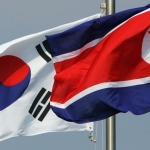
North Korea is intensifying its surveillance capabilities, leveraging Chinese-made technology to monitor its population more closely. This move is part of a broader effort to maintain strict control over the country’s citizens.

Surveillance Infrastructure

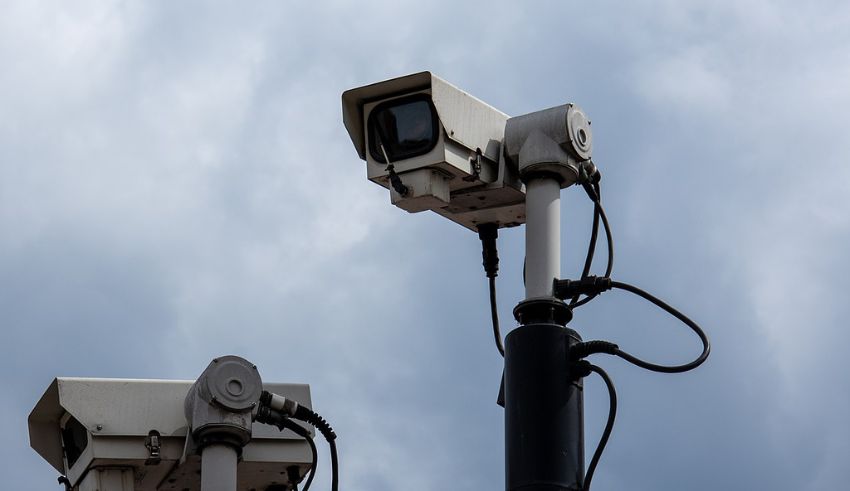
Technological Imports North Korea is reportedly purchasing surveillance cameras from China, installing them in public spaces such as schools, workplaces, and airports. These cameras range from basic video feeds to advanced models with face recognition capabilities.

Biometric Data Collection The state is also collecting fingerprints, photographs, and other biometric information from its citizens, aiming to keep a comprehensive record of the population.

The Chinese Connection

Supplying Surveillance Chinese vendors are the primary source of the surveillance cameras, which are becoming increasingly common across North Korea.

Challenges and Limitations

Infrastructure Hurdles Despite these efforts, North Korea faces challenges such as unreliable electricity and limited network connectivity, which hinder the full implementation of digital surveillance.

Human Spying Tradition North Korea has a long history of relying on human informants to spy on its citizens, suggesting that digital surveillance isn’t yet as pervasive as in China.

The Pandemic’s Role

Border Control The COVID-19 pandemic saw North Korea impose stringent border controls, which have been maintained to some extent even after a cautious reopening in 2023. This period likely accelerated the adoption of surveillance technologies.

Crackdown on Foreign Influence New laws and reports of harsher punishments suggest a government crackdown on foreign influence and media, likely aided by the new surveillance infrastructure.

An Orwellian Reality North Korea’s use of Chinese-made surveillance technology is part of a larger agenda to tighten state control and promote loyalty to Kim Jong-un’s regime. While the country grapples with technological limitations, the direction is clear: more surveillance, less privacy.

Tags: Surveillance
Noto

Jakarta-based Newswriter for The Asian Affairs. A budding newswriter that always keep track of the latest trends and news that are happening in my country Indonesia.

Recent Posts

Is Girigo App Safe? Why Cyber Experts are Warning You to Delete This Viral App Immediately

The Girigo App is the latest buzz app that has caught on in social media today (April 30, 2026). It…

April 30, 2026

How to Claim the New ‘Anime Apocalypse’ Soul Shards Before May 1?

Roblox's virtual world is currently experiencing an "End of the World" event, but for the players of the wildly popular…

April 30, 2026

Friendster is Back? The Original Social Media Giant Returns After Years; Can You Still See Your 2005 Testimonials?

The internet has been caught unawares with the re-entry of Friendster. By April 30, 2026, the formerly-legendary social networking platform…

April 30, 2026

Let Your Bot Do the Shopping: Visa Launches ‘Agentic Ready’ Program in Asia Pacific Today; When Your AI Will Start Paying Your Bills for You

Visa has just initiated a significant change to digital payments with Visa officially launching its Agentic Ready program in the…

April 30, 2026

No More Nicknames: PayNow to End Alias Option for All Users in June; Why Your Payment Handle Must Match Your Legal Name

Singapore PayNow is a popular instant payment system. Retail users will cease to use custom nicknames to transact on June…

April 30, 2026

Planning a Thai Vacation? Why Travel Agents are Slamming the New B1,000 Exit Tax

Southeast Asia's tourism sector is being jolted this morning. In an effort to boost the Thai economy, the country's government…

April 29, 2026

This website uses cookies.

Read More