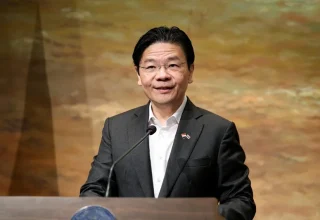










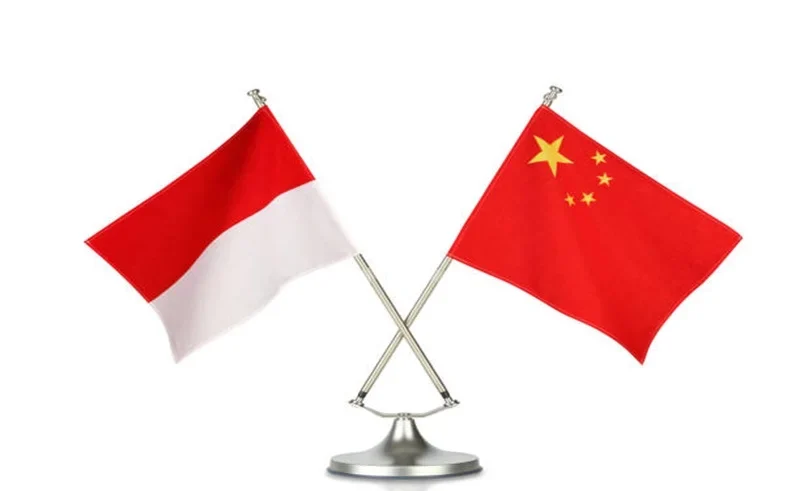
This was a major milestone in the Southeast Asian context of negotiation between the leaders of the countries in the Southeast Asian region, namely Prabowo Subianto and Xi Jinping (China) in November 2024.
The deal also included about US$10 billion in economic cooperation, for trade, mining and industrial projects, as well as the introduction of a more sensitive topic: joint development in regions that are termed as being in “overlapping claims” in the South China Sea.
The economic value is significant, but the statement’s wording in the sea language has led to debate amongst legal scholars and regional analysts. Some think it will further change Indonesia’s traditional posture in the South China sea and affect the drive of ASEAN in its total geopolitical sea policy.
The Debate Over “Overlapping Claims”
The Habitats policy is that for decades, Indonesia has not considered itself a claimant to the South China Sea dispute. Jakarta has always been the origin of the argument that the Chinese claim of ‘nine-dash line’ does not have legal basis under the UNCLOS.
The mention of “overlapping claims” in the joint statement has, therefore, caused concerns. However, some legal professionals said that the words had the potential to inadvertently validate China’s claims in the waters of Indonesia’s Exclusive Economic Zone in the North Natuna Sea even if Jakarta had not intended to do so.
Indonesia’s Foreign Ministry quickly followed shortly after the agreement to make it clear that the declaration would not be interpreted that way. President Prabowo later reiterated Indonesia’s adherence to international law, by referring to the arbitral ruling in 2016, which challenged China’s heavy-handed assertions.
Economic Cooperation Brings Opportunities
Indonesia has tremendous benefits in terms of economics from the agreement. Industrial downstreaming in Jakarta can also be realized if it can be accompanied by synergic development of the fishery, energy utilization at sea, and other marine resources through joint development initiatives, which can attract investments.
The country’s Chinese finance and expertise, especially, attracts the attention of the country because Indonesia aims to improve energy security and utilize the economic potential of its marine resources to the maximum. Cooperation is a sensible way towards further economic cooperation for both countries despite the existing geopolitical differences.
Maritime Security Concerns Persist
But, while progress has been made in the diplomatic field, the situation on the high seas is much more complex. Indonesian forces have continued to escort ships in the North Natuna Sea where the meeting with China’s coast guard force is still an issue.
There is also the possibility of effects on the local fishing communities, which have raised concerns with officials. If it is perceived that the over-lapping claims is accepted by Indonesia, it could spur foreign marine activities and disturbed Indonesian fishermen who depend on marine territory around Natuna and Riau Islands. The national maritime rights continue to be enforced by Indonesia’s Maritime Security Agency (Bakamla) in which sovereignty issues did not change.
What Does This Means for ASEAN?
Indonesia’s strategy is not just for local waters it has ramifications beyond its shores. Due to its status as one of the most powerful member states within ASEAN, and its biggest economy, Jakarta might be deciding the regional diplomacy of the future in bilateral China.
Meanwhile, some analysts say that the bilateral joint discussion framework may be a setback for the ASEAN collective bargaining power during the talks over a proposed binding Code of Conduct in the South China Sea. As other claimant states continue to enter into their own deals with China, ASEAN could struggle more and more with how to present a regional position.
Meanwhile, Indonesia reiterates that it does not want to compromise its sovereignty and international law in the name of economic cooperation. Honing these conflicting interests will be one of the key challenges for diplomacy in the region.
More ASEAN updates to explore.
Planning ASEAN Travel Soon?
Check out the latest visa rules.
How Will ASEAN Share Power?
Find cross-border energy developments.
Who Faces New US Tariffs?
Uncover the export impact today.
What’s In ASEAN’s New Plan?
Browse the five-year cooperation roadmap.
Why Are Leaders Meeting Manila?
Get to know the key discussions.