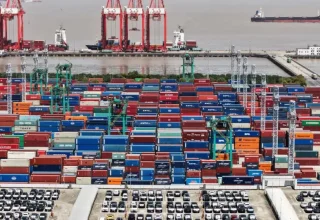










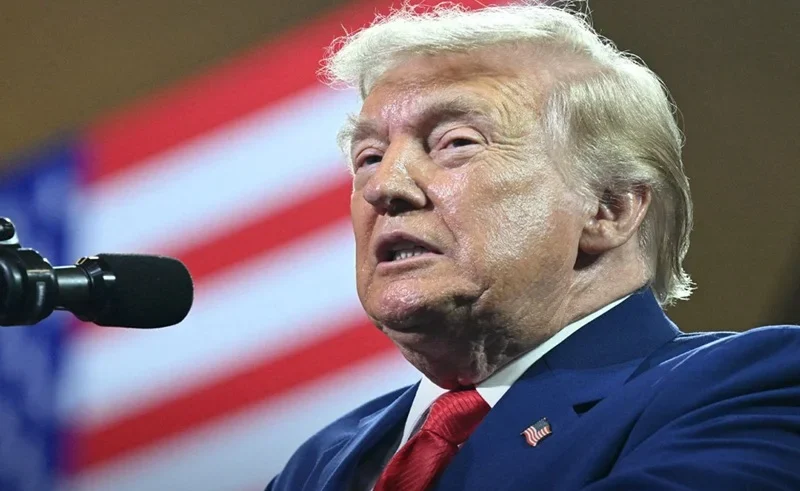
The tariff impositions by the United States in WTO terms are called Section 301 tariffs, which have significantly affected the trade dynamics for several economies in Southeast Asia. The Office of the United States Trade Representative completed the investigations and Washington imposed new tariffs on 60 countries, including Malaysia, Thailand and Vietnam.
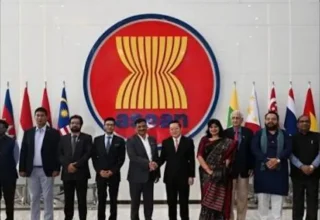
The transfer takes place at a critical juncture for U.S.-ASEAN ties. New trade tariffs have come into effect recently, sparking uncertainty for exporting nations, industry manufacturers, and policymakers regarding the future of continued economic cooperation between the region and the US, as the US recently reaffirmed commitment to improve relations with Southeast Asia.
New Tariff Rates for ASEAN Exporters
The new framework of Section 301 for the ASEAN economies will involve different rates of tariffs according to the United States’ evaluation of the labor standards and trade compliance of the respective economies.
After implementing measures to strengthen the forced labor regulations, Malaysia was tagged to come under the lower rate category with a 10% rate. Thailand, as well as Vietnam, received 12.5% tariffs as exceptions have been negotiated for thousands of Thai product lines.
The new tariffs instead of the earlier ad hoc solutions would be more enduring, and therefore are important to consider for businesses that are exporting to the US market.
Malaysia: Semiconductor Industry Faces New Challenges
Malaysia is still one of the main electronics and semiconductors production centers in SE Asia.
Exporters of IHP, ICT, packaging services and solar technology goods might also still face higher prices when shipping goods to the United States thanks to the fact that it got stuck in the lowest 10% tariff zone. Some of the most critical micro-electronic components continue to be exempt, while easing the overall impact of critical supply chains.
Some of Malaysia’s neighbouring exporters may also benefit from this policy due to the lower rates of duty Malaysia imposes on these products.
Thailand: Automotive and Machinery Exports Under Pressure
The new 12.5% selling tax would likely affect Thailand’s manufacturing industry like automotive parts, machinery, rubber goods, and industrial equipment.
Product specific exemptions temper this situation, however. A large number of Thai export products have been reportedly removed from the elevated tariff status, and this covers a high percentage of Thailand’s exports to the U.S.
Such exemptions are likely to maintain competitiveness for certain manufacturers even though the economy has suffered from a general weakening in the trade market.
Vietnam: Export Powerhouse Faces Increased Scrutiny
In the last 10 years, Vietnam has been one of the biggest beneficiaries from the diversification of world supply chains. The business of providing people with clothes, shoes, electronics and furniture, as well as consumer goods has boomed thanks to the firms’ so-called “China Plus One” manufacturing approach.
This new tariff pressure on exports, combined with hard new rules of origin enforcement, puts additional pressure on exporters. US authorities remain vigilant in regards to transshipment habits to make sure goods put together in Vietnam are actually Vietnamese goods, as exactly what is coming into the nation shouldn’t be an alternate way for items originating elsewhere.
Explore More ASEAN Updates
What’s In The New Work Plan?
Check out the key goals of the ASEAN-U.S. partnership.
Why Does Manila Meeting Matter?
Find out what leaders discussed at the regional talks.
How Will Trilateral Talks Impact?
Uncover the trade priorities shaping ASEAN cooperation.
Which ASEAN Industries Are Booming?
Browse the fastest-growing sectors driving new opportunities.
What Are ASEAN Travel Rules?
See the latest visa requirements for international visitors.
What Does This Means for ASEAN Trade?
The new tariffs are likely to have an impact on business decisions in the region. Manufacturers might rethink their supply chain supply strategies as they consider the production benefits of Southeast Asia.
As ASEAN economies progress to further economic integration via several agreements, including the Regional Comprehensive Economic Partnership, they will also continue to seek to trade with the rest of the world.
The tariffs won’t stop Southeast Asia manufacturers from diversifying exports, but could push it sooner into the Southeast, or other than the U.S. markets.
FAQs
What are the Trump ASEAN Tariffs 2026?
Trump ASEAN Tariffs 2026 are new Section 301 tariffs introduced by the US due to investigations by the USTR on Malaysia, Thailand, Vietnam.
What’s the tariff rate for Malaysia?
The tariff rates attached to Malaysia are in keeping with its commitment in the Section 301 of strengthening its labour standard requirements in its supply chains of 10%.
What will the impacts of these tariffs be on ASEAN trade?
Tariffs might seduce companies to diversify export markets, boost regional trade under RCEP and adapt supply chain planning while growing investments in the manufacturing value chain of Southeast Asia.