

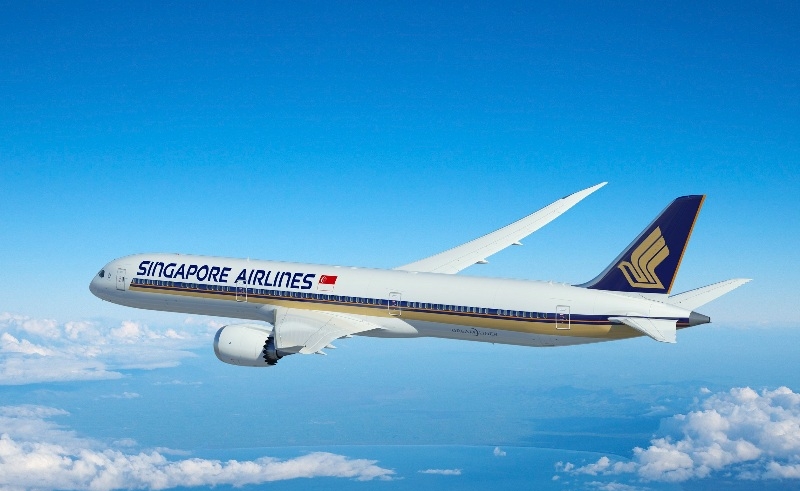
Not to be outdone, Singapore Airlines (SIA) has provided a new warning: climate-related operational cost is also rising with an increased carbon emissions of its fleet. This warning puts the carrier at the crossroad between being environmentally responsible and not able to afford to be.
SIA has been increasing its emissions, and at the same time it must contend with additional expenditures in relation to high-flying climate regimes, primarily its involvement in the carbon offset and reduction scheme, CORSIA, led by the International Civil Aviation Organization (ICAO). As the number of flights around the world continues to recover, the cost of carbon credits, sustainable aviation fuel (SAF) and emissions disclosure are increasing.
New Perspective: The Hidden Cost of International Focus
The differences between SIA and other competitors lie in the fact that it maintains a global route system, thus a higher cost of operation than its regional or national counterparts. In contrast to short-haul carriers which, to large extent, do not have to deal with SAF requirements and compensatory programs, SIA flights abroad fall directly under the increasing carbon taxes. Its exposure is intensified by:
Mandatory SAF quotas In Singapore, there are plans to have a mandatory requirement of at least 1 percent SAF blend by 2026, with an increase to 3-5 percent by 2030, through levied amount to passenger tickets.
Globally uniform carbon credit system of CORSIA: The higher the emissions are, the higher the cost of offsetting emissions and this would involve those airlines that have the long-haul flights.
Financial Impact in Focus
Bloomberg Intelligence analysts point out that carriers who focus on international destinations, such as SIA, face a higher risk of compliance cost generated by climate-related charges . These surcharges are quite prominent especially currently as a gallon of SAF can be as much as five-fold expensive in comparison to typical jet fuel.
As indicated in its most recent financial report, non-fuel costs showed a consistent rise, although fuel prices remained stable. The airline admitted that using cleaner fuel and maneuvering through compliance requirements and still maintaining profitability are getting to be fundamental strategic impediments.
SIA’s Strategy: Blending Responsibility and Cost Control
In response to these pressures, SIA is proactively:
- Ramping up SAF procurement: Cooperation with suppliers, such as Neste and World Energy, to buy green fuel and corresponding emissions credits .
- Improving fleet efficiency: As well as pursuing aircraft modernizations, to reduce carbon intensity per flight on average.
- Exploring cost-sharing mechanisms: Exploring the application of levy to the price of tickets or fuel surcharges that would offset some cost to the passenger in favor of SAF.
These measures are meant to make SIA less vulnerable to carbon pricing and mean environmental responsibility.
Read Also: Jetstar Asia Closure: Jetstar Closing Operations After 20 Years
Why This Matters
1. Competitive positioning: Increasing climate taxes may turn the economics to the regional carriers or shorter routes.
2. Customer texture: There are chances that passengers become sensitive to price modifications in tickets due to SAF imposition.
3. Regulatory trajectory: As climate regimes become stricter, SIA flexibility can be considered performance indicator of other airlines of similar route patterns.
SAF industry evolution will be critical. The rise of Singapore mandate to 5 % SAF by 2026-2030 is dependent on the availability and cost effectiveness of biofuels .
Part of the costs might be covered by technological advances in SAF feedstocks or aircraft design. The demand of SAF credits must be small in the world but it is bound to expand.
Further rearrangements of the cost structure of the airline can be created with such policy developments as the use of carbon taxes or the expansion of emissions trading.
Singapore Airlines is ringing the bell of financial consequences of fighting climate change. It shows its paths which reflect the pressures that airlines have to find a balance between international aspiration, cost structure, and environmental responsibility. It is possible that, as SAF supply scales, and offset markets mature, SIA practice will arrive at a standard that other airlines may follow in the process of going green in the global environment within the climate regime.