
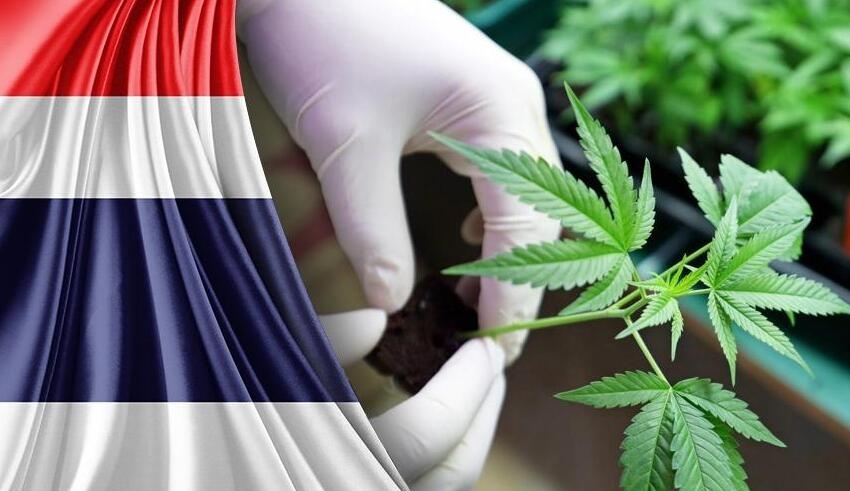
Thailand’s journey toward marijuana legalization has been met with challenges and uncertainties, casting doubts on the potential success of its policy. While the country has made significant strides in recent years to relax its stance on cannabis, several factors pose obstacles to the full implementation of a comprehensive legal framework.
In 2018, Thailand became the first Southeast Asian nation to legalize medical marijuana, recognizing the plant’s potential therapeutic benefits. The move was seen as a progressive step and a significant shift in the country’s approach to drug policy. However, the path to broader legalization and regulation has been met with complexities.
One of the challenges Thailand faces is the lingering stigma surrounding marijuana. Despite the growing acceptance of its medical use, recreational cannabis remains highly stigmatized in Thai society. Overcoming this stigma and changing public perception are crucial steps toward a successful legalization process.
Another hurdle is the regulatory framework for cultivation, distribution, and consumption. While medical marijuana is allowed, the rules and regulations governing its production and distribution are still being refined. The lack of clarity in licensing processes, quality control measures, and supply chain management has created uncertainties for businesses and investors.
Keep Reading

Additionally, there are concerns about the potential impact on public health and safety. Balancing the benefits of marijuana with the need to protect public health requires comprehensive regulation, including strict guidelines on dosage, product quality, and responsible use. Ensuring effective regulation and enforcement mechanisms is essential to mitigate potential risks.
Furthermore, Thailand’s marijuana policy intersects with international drug control treaties, which present legal and diplomatic challenges. The country must navigate the complexities of aligning its domestic policy with international obligations while seeking to maintain its sovereign decision-making authority.
Despite these challenges, Thailand has shown commitment to developing a robust regulatory framework for cannabis. The government has taken steps to support research, promote domestic cultivation, and encourage the growth of a legal cannabis industry. Collaborative efforts with international partners and stakeholders can provide valuable insights and expertise to facilitate a successful implementation process.
Thailand’s evolving marijuana legalization policy is a multifaceted endeavor that requires careful consideration of societal attitudes, regulatory frameworks, public health concerns, and international obligations. By addressing these challenges and uncertainties, Thailand has the opportunity to pave the way for a responsible and sustainable approach to cannabis legalization.