
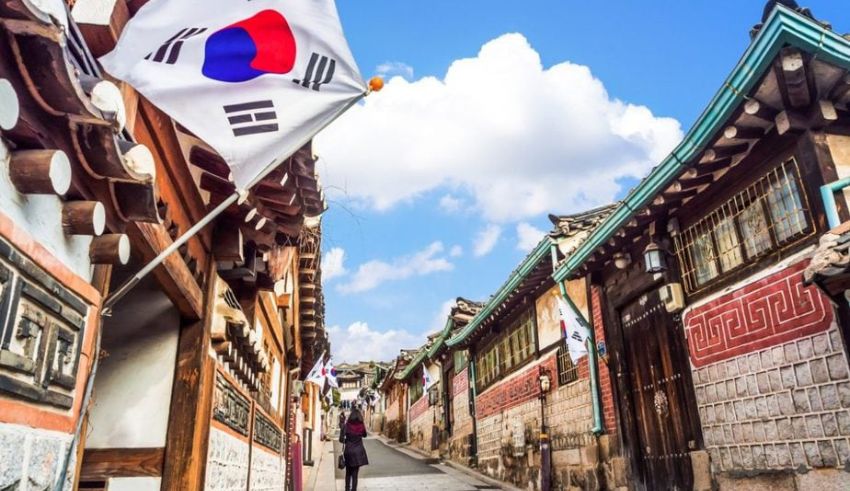
South Korea is facing a demographic crisis, as there are far more young men than young women in the country. This is the result of a historic 30-year-long imbalance in the sex ratio at birth (SRB), which reached as high as 115 boys per 100 girls in 1990. The normal SRB is around 105 to 107 boys per 100 girls.
The gender imbalance is due to the preference for sons and the practice of sex-selective abortion, which persisted even as fertility declined sharply from six children per woman in 1960 to 0.82 in 2022.
The Effect
The excess of men has serious implications for the marriage and birth rates in South Korea. According to a 2014 study, some 700,000 to 800,000 “extra” South Korean boys born since the mid-1980s may not be able to find South Korean girls to marry. This means that many men will remain single and childless, or will have to look for foreign brides, who often face discrimination and exploitation in South Korea.
The shortage of women also reduces the bargaining power and autonomy of women in marriage, as they face pressure to conform to traditional gender roles and expectations. The low marriage rate, in turn, contributes to the low birth rate, as most South Korean women give birth within marriage. The low birth rate, in turn, leads to population aging and decline, which pose challenges for the economy and society.
Keep Reading



The Response
The South Korean government has tried to address the demographic crisis by implementing various policies and programs. These include providing incentives and subsidies for families to have more children, such as cash allowances, tax benefits, childcare support, and housing assistance.
The government has also promoted gender equality and women’s empowerment, such as by expanding women’s education and employment opportunities, strengthening laws against domestic violence and sexual harassment, and encouraging men’s participation in household and childcare duties.
The government has also regulated the use of prenatal sex determination and abortion, and cracked down on illegal clinics that offer these services. The government has also supported the integration and welfare of foreign brides and their children, such as by providing language and cultural education, legal and medical assistance, and social networks.