
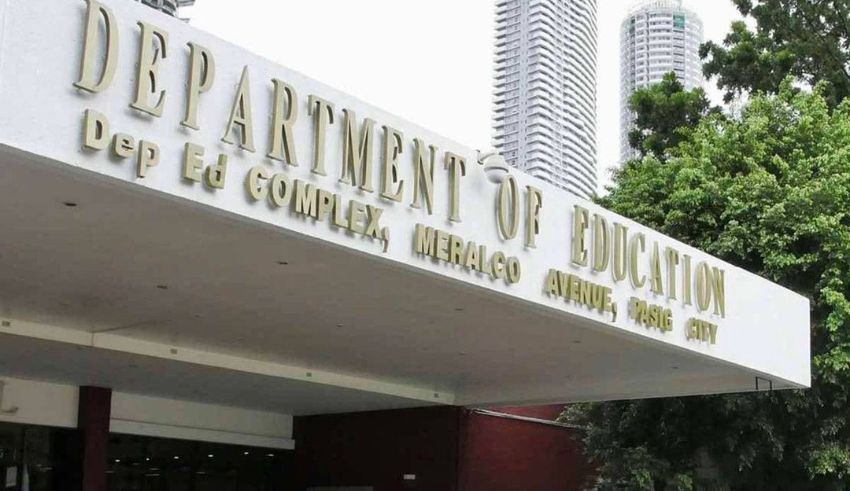
The Department of Education (DepEd) is going to face a challenge unlike any other it has ever faced with the upcoming school year 2024–2025. The Department of Education (DepEd) has suggested shortening the school year in order to go back to the schedule in place before the epidemic’s start in June. As such, concerns over the efficiency of schooling as well as the health and safety of children have been voiced.
Why the School Year Needs to be Cut
Public desire to return to the previous calendar with its April–May vacation is the main cause of the shortened school year. Extreme summer heat over the last few years has interfered with learning and put the health of both teachers and students at jeopardy. In order to smoothly move back to the beginning of June the next year, DepEd wants to ensure that the 2024–2025 academic year ends in March.
All the same, this decision will result in fewer school days overall. The Philippines has 180–220 days on average for a school year. Still, the shorter timetable suggests that the duration will only be 165 days, which is fewer than the absolute minimum required. Concerns regarding the possible consequences on the learning outcomes so surface.
Effective Learning under Time Restraints: Methods and Challenges
Wider learning gaps could result from the shorter school year, the Department of Education (DepEd) admits. The department is now working on building protocols to look into these issues. To highlight a few, among these are
- Restructuring of the Curriculum: To make sure that the little time allots for the coverage of necessary information and skills, learning material is condensed and key competencies are the main emphasis.
- Using better teaching strategies and making the most of class time is known as intensified instruction.
- A learning recovery program is putting in place tailored interventions for students who might need extra help with particular courses.
The success of these methods rests on their efficient application in every grade level and school. The preparation of the teachers and the availability of the required resources will be the most important aspects to guarantee a seamless transition to the shorter schedule.
Although it eases public concerns about the summer heat, it is critical to evaluate the potential impacts the suggested timetable may have on instructors and pupils. Higher stress and strain that accompany a faster-paced learning environment may affect both parties.
Schools will need to figure out how to teach the material while also allowing pupils ample time to take in new knowledge and deepen their comprehension of it. It will take teachers similar adjustments to modify their methods to fit the shortened schedule while maintaining a conducive learning atmosphere.
Keep Reading
Viewpoint: The Road to a Smooth Transition and Beyond
In the academic year 2024–2025 the Department of Education (DepEd) will test its plan to return to the timetable in use before the pandemic. The shorter academic year will be successful if there is good planning, curricular revisions, and reliable networks of support for both the students and the teachers.
Very careful observation of the learning results and any potential learning gaps will be necessary; the Department of Education (DepEd) will need to be ready to make such modifications and interventions as required during the school year.
The Long-term objective is to develop a regular academic timetable that strikes a balance between the effectiveness of instruction and the welfare of the students and teachers; a future-proof and efficient school calendar will mostly rely on the lessons learned during the shortened 2024–2025 academic year.