

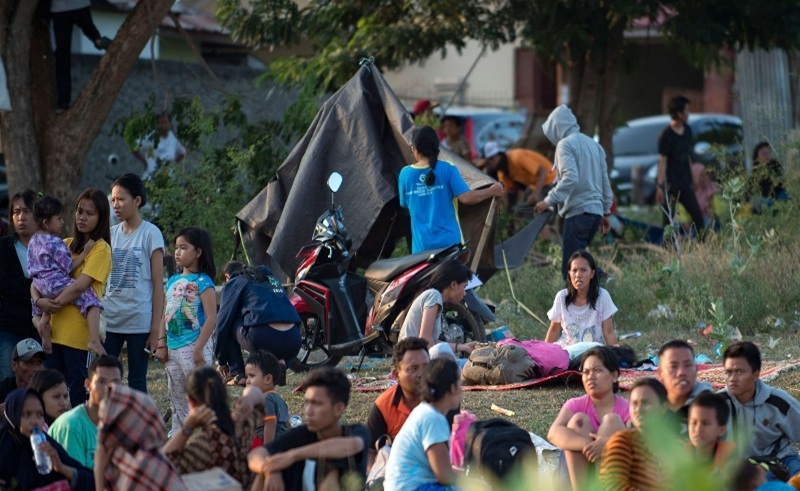
Indonesia is home to some of the most seismically active countries in the world, and Indonesian earthquakes or Gempa happen often. But what exactly does occur during the first 10 seconds that the shaking is taking place? The recent social media videos, including CCTV videos or cell phone videos, provide an interesting insight into how Indonesians responded instinctively in the wake of tremors. These viral videos show emotional reactions and cultural behaviors, survival instincts that come out earlier, before individuals can think. It could be snatching relatives, rushing to the exits, or glancing at phones to see information, but these initial moments convey a bigger narrative of readiness, panic, and general community during sudden natural disasters, especially in a country that constantly faces tremors as seen in Indonesia’s List of Earthquakes.
The Immediate Instinct: The Safety of Loved Ones and The Open Space
The universal response in the homes, shops, offices, and schools is always the same: the desire to protect (social media clips). Most Indonesians, within the first few seconds, instinctively extend their hands to a child, subsequent family members, or colleagues to steer them towards safety. Parents in the houses will be seen towing toddlers around or shouting names, and then go ahead to do whatever they please.
The other instinct that is prevalent is the urge to find open space. The video footage in malls and restaurants depicts individuals running to exits, usually silently but urgently. The objective is obvious: avoid falling objects, collapsing roofs, or shaking structures. This is an indication of decades of cultural conditioning in a country with a high risk of earthquakes, with lari ke luar (run outside) turning into a survival instinct.
Interestingly, a high number of videos also demonstrate how people may stop in the middle of action and think about the quake before they move. That moment of hesitation, one or two seconds, demonstrates how shock can come and destroy the usual flow of life in place: a barista stops when pouring coffee, students stare out of the window in a lesson, and office workers cling to their desks before making their choice whether to leave them or not.
The Digital Reflex: Checking Phones, Warnings, and Capturing the Indonesian Earthquake
Indonesians go to their phones almost immediately, not with several seconds to go but a few seconds into the shaking. There are videos of people picking up their gadgets to view BMKG alerts, message family, or document the occurrence. This online reflex has become an important element of the Indonesian culture of response to earthquakes in real-time.
Recording can have several objectives for many people; they may need to capture evidence, keep people informed, and deliver essential updates to online communities. TikTok and X (Twitter) are immediately created as the centers of communication, as users post videos in a few minutes, letting people appreciate the extent of the quake and what destruction it will cause.
The use of phones is also an indication of collective awareness by the Indonesians. The usual spectacle: individuals screaming threats to adjoining rooms or sending messages in family group chats that say Gempa! (Earthquake!). Strangers assist one another to negotiate their way in congested locations and, at the same time, look after official safety notices.
This action brings to the fore a significant change: technology has become an element of survival instinct. The initial 10 seconds cease being all about the physical escape, but also become the digital preparedness, mass communication, and quick flow of information that will save people.
Disclaimer: Stay updated with the lastest news, from politics to business trends, while also catching up on the lastest news in sports covering matches, scores, and tournaments. Explore the latest news in entertainment with celebrity updates, movies, and shows, and don’t miss the latest news in games, featuring trending releases and esports highlights.