

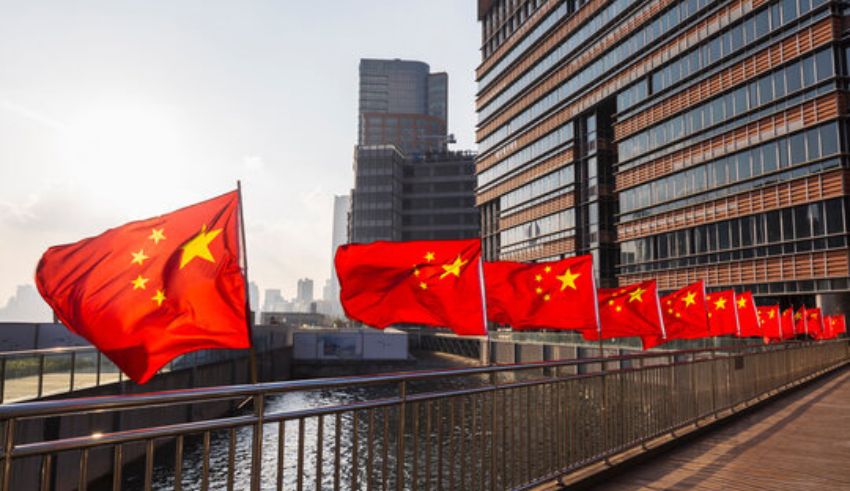
China, under President Xi Jinping‘s leadership, has taken a surprising diplomatic turn that has raised eyebrows and concerns among its neighboring nations.
In response to the rejection of China’s contentious “made-in-China map” by neighboring countries, Xi Jinping has canceled multiple upcoming summit appearances, signaling a significant shift in China’s diplomatic strategy.
A Diplomatic Disconnect: China’s Inflexibility
China’s decision to withdraw from scheduled regional summits in Indonesia and India highlights a worrisome lack of diplomatic flexibility. Leading Indian strategic analyst C. Raja Mohan, affiliated with the Institute of South Asian Studies at the University of Singapore, characterizes Xi Jinping’s approach as strategically and diplomatically tone-deaf to the concerns of Indo-Pacific nations.
One of the most significant events affected by this diplomatic rift was the BRICS summit, held in South Africa from August 22-24. BRICS, comprising Brazil, Russia, India, China, and South Africa, serves as a platform for collaboration among developing nations to strengthen their global influence. Xi Jinping had hoped to leverage this forum to extend China’s global power and counter Western dominance.
Keep Reading

India’s Pivot Toward the US
India, traditionally non-aligned in global power dynamics, has been gradually realigning itself with the United States. This shift gained momentum after a violent clash along the disputed Himalayan border in 2020 resulted in casualties. India’s evolving stance reflects a growing alignment with the United States in the ongoing power struggle between the U.S. and China.
Xi Jinping’s decision to cancel summit appearances prompts questions about China’s diplomatic priorities and its willingness to engage constructively with its neighbors. It also underscores the challenges posed by China’s increasingly assertive foreign policy in the Indo-Pacific region.
As China seeks to expand its global influence, its diplomatic choices come under closer scrutiny. Xi Jinping’s move toward isolation in response to regional concerns challenges China’s ability to foster meaningful partnerships in the Indo-Pacific.
While the strategic implications remain uncertain, this development underscores the complexities of China’s evolving role on the world stage and the diplomatic challenges it faces in a changing geopolitical landscape.