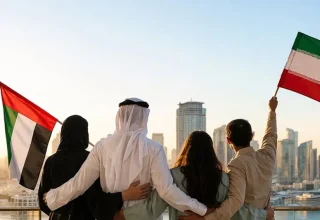

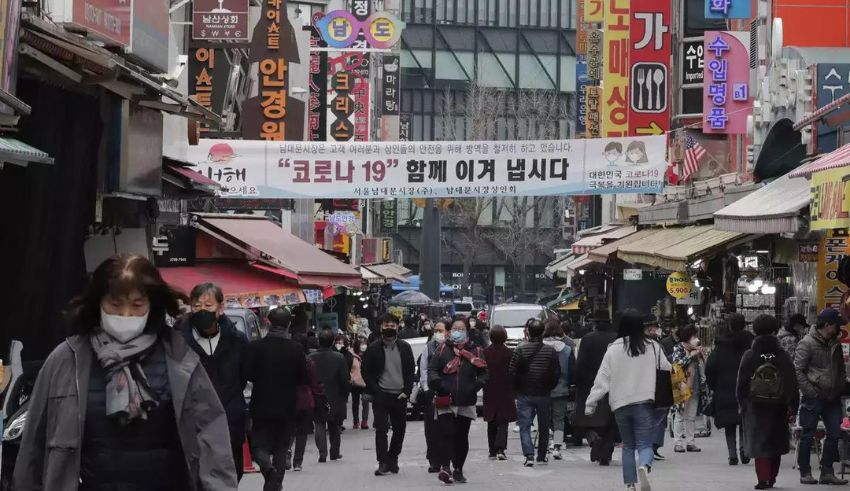
Korea is often portrayed as a homogeneous nation with a single ethnicity, language, and culture. However, this image is increasingly at odds with the reality of a diverse and multicultural society, where people of different backgrounds, origins, and identities coexist and interact.
According to the latest statistics, there are more than 2.5 million foreigners living in Korea, accounting for about 5 percent of the total population.
They include migrant workers, international students, marriage migrants, refugees, naturalized citizens, and expatriates. They come from various countries and regions, such as China, Vietnam, the Philippines, Uzbekistan, Thailand, Nepal, Myanmar, Cambodia, Mongolia, Bangladesh, Indonesia, Pakistan, Sri Lanka, India, the United States, Japan, and Europe.
These foreigners contribute to the economic, social, and cultural development of Korea, by providing labor, skills, knowledge, and diversity. They also enrich the Korean society with their different perspectives, experiences, and values. They are not just temporary visitors or guests, but permanent members and partners of the Korean community.
However, despite their presence and contributions, many foreigners face discrimination, prejudice, and exclusion in Korea, based on their nationality, ethnicity, race, religion, gender, or class.
They often encounter difficulties in accessing basic rights and services, such as education, health care, housing, employment, and legal protection. They also suffer from stereotypes, harassment, and violence, both online and offline. They are often treated as outsiders, strangers, or threats, rather than as equals, friends, or allies.
Keep Reading

This situation is not only unfair and unjust, but also harmful and dangerous, for both the foreigners and the Koreans. It undermines the dignity and well-being of the foreigners, who are denied their human rights and respect.
It also damages the reputation and interests of Korea, which is losing its competitiveness and attractiveness in the globalized world. It also threatens the peace and harmony of Korean society, which is facing the risk of division and conflict along the lines of difference and diversity.
Therefore, Korea needs to embrace its multicultural reality, and adopt a more inclusive and tolerant attitude and policy towards its foreign residents. Korea needs to recognize and appreciate the diversity and plurality of its society, and celebrate the commonalities and complementarities of its people.
Korea needs to protect and promote the rights and interests of its foreign residents, and ensure their equal participation and representation in the public sphere. Korea needs to foster and facilitate the dialogue and cooperation between its foreign and native residents, and build a shared sense of belonging and identity.
Korea is no longer a homogeneous nation, but a multicultural one. This is not a problem to be solved, but a fact to be accepted, and an opportunity to be seized. Korea has the potential and the responsibility to become a model and a leader of multiculturalism in the world, by showing how different people can live together in harmony and prosperity. Korea can and should make its multicultural reality a source of strength and pride, rather than a cause of weakness and shame.