Last updated on August 7th, 2026 at 01:32 pm
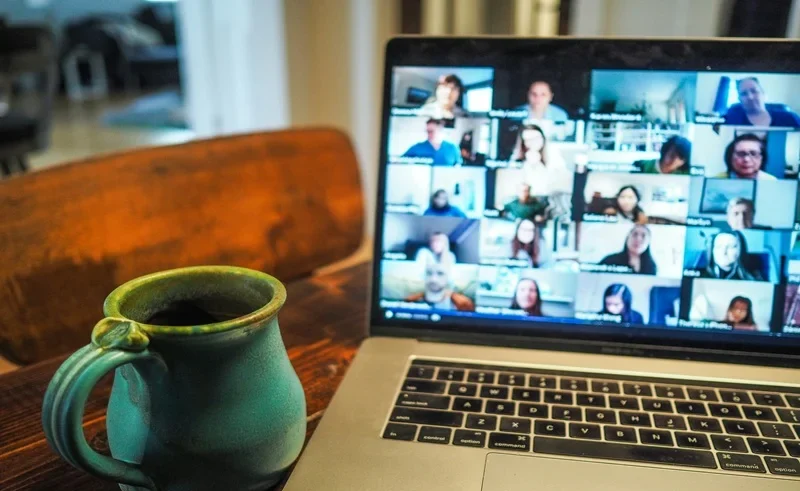
The world of work has changed, and working remotely and flexibly with people across time zones and borders has become much easier. Teleworking has become commonplace, as platforms like Microsoft Teams, Slack, and Zoom, Google Meet and Workplace messaging have helped workers stay connected throughout the pandemic. The benefits of these tools to jobs and job processes have definitely brought more flexibility and productivity but new possibilities for workplace bullying and digital harassment.
Digital harassment differs from typical off-campus bullying in that it can happen at any time and day, and sometimes may make it feel as if there is no reprieve for employees. Structures of work-life balance become more permeable and lead to increasing and sustained negative encounters, causing psychological fatigue.
Rise of Digital Workplace Harassment
While remote collaboration tools could change the way employees communicate, they also have the ability to alter the way workplace conflicts are played out. Bullying no longer requires face-to-face interactions. Instead, it might manifest as pushy messages, not invited to key meetings, being expressed in public messages in group chats, excessive monitoring and after-hours calling, or constant calling with pressure during after-hours hours.
Digital platforms also maintain chat history and emails, as well as video call recordings. This can stress their emotions before and after the event, and can be a source of evidence in the case of misconduct, but it can also mean that the negative comments are left up that way for long after the event has passed.
Why Remote Work Can Make Bullying Harder to Detect
Workplace stress in a traditional office can be sometimes identified by the manager or fellow employee. These warning signs are easier to blow off in virtual workplaces.
Staff may be reluctant to report inappropriate behaviour carried out during private/class chats or direct messages. Similarly, managers may be unaware that morale in the team is low, that one or more members are burnt out, or that one or more is emotionally distressed as they aim to work for production goals.In the same way, a manager may be unaware that one of more team members is emotionally upset, may be “burn-out” or may be demoralized while working for production.
Employees may feel isolated, with few resources offered to them when dealing with informal engagements with co-workers.
Impact on Employees and Organizations
Digital harassment doesn’t only impact employees’ well-being. The constant exposure to online hostility can increase anxiety, stress, decrease confidence, and job dissatisfaction. In the long run, it could even be linked to loss of attendance, reduced productivity, and increased rates of drop-out from the job.
There are also high costs to the organizations. An environment where harassment is ignored will hurt team productivity, diminish innovation, and affect employer image. The emphasis on psychologically safe workplaces is more than just an HR priority it is a competitive global market for top talent.
Building Safer Digital Workplaces
Digital harassment is not a case of just applying a ‘copy and paste’ solution from current policies to an online context. Clear expectations should be set about the types of communication that is considered acceptable online, how quickly your messages should be returned, and what should be looked out for in meetings and how to treat others when collaborating online.
To deal with issues of internet bullying and to respond on a consistent basis if there is concern, managers should be educated on how to identify it. Having reporting mechanisms that remain anonymous, regular employee well-being surveys and efficient investigation and reporting processes can help employees report without fear of reprisals.
Technology can also be a part of prevention. Organizations using collaboration platforms are increasingly getting tools to facilitate moderation, reporting, and administration all of which aid effective responses when inappropriate behavior occurs.
Stay Ahead With Asia’s Latest Work Insights
How Does Thailand’s Pink Card Work?
Check out the key rules for permits, travel, and renewals.
What Can Singapore Graduates Earn?
Find Barclays graduate roles, salary expectations, and tech opportunities.
Will Generative AI Transform Asian Education?
Uncover how generative AI could reshape higher education across Asia.
What Will Asia’s Workplaces Look Like?
Browse the latest trends in skills, flexibility, and workplace innovation.
Can Malaysian Employees Opt Out?
See the steps to opt out of the non-workplace accident scheme.