









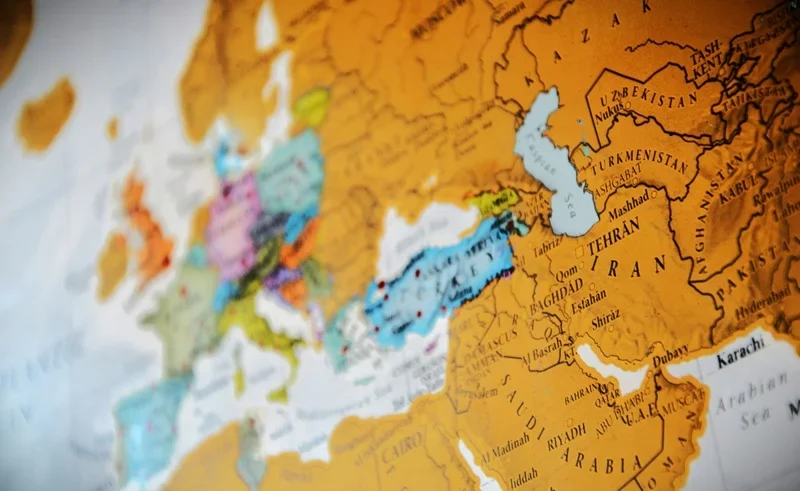
Increased tension in the Middle East is not normal as the economic implications most often extend beyond its borders. Energy shortages, port traffic and currency markets, and worker mobility can have a very rapid adverse impact on Emerging Markets off the battlefield. Weak world currencies or fiscal space constraints, along with already high inflation rates, can pose a significant world economic challenge for countries already burdened with other shocks.
Vulnerability is especially elevated in nations that rely on importation of energy resources and foreign capital and remittances from labour exports to the Gulf. A regional crisis, if that’s how it turns out, can then trigger a cascade in the other economies which participate only indirectly in the conflict.
Energy Prices Can Widen Economic Imbalances
The first and most immediate is the Energy channel. The Middle East continues to be an important zone of world oil and gas operations and oil market volatility can cause world nut prices to spike up significantly when disruptions hit key production areas and/or flow of crude oil through shipping channels in the Middle East region.
In energy importing emerging markets like the Philippines, Thailand, India, Egypt and Pakistan, higher oil prices would result in higher import bills. This can lead to sized up current-account deficits, alleviate pressure on foreign reserves and make already pricey energy products even harder for households and businesses to swallow.
Inflation Could Become a Second Shock
Sometimes more than the price of gasoline is required. Energy is required in all the industries of transportation, electricity, manufacturing, and agriculture, with natural gas prices being especially critical in the case of fertilizer production.
The outcome is measured by the average change in food and consumer prices. This pressure can prompt governments to raise subsidies for fuels or food, which in turn could worsen an already fragile situation for public budgets. As a result, policymakers have to make an extremely challenging decision relating to creating fiscal stability versus protecting households.
Remittances Are Another Vulnerable Lifeline
Lots of employees from South Asia and other developing economies rely on jobs in the Gulf economies. In particular in Nepal, Pakistan and Bangladesh their income becomes one of the main foreign currency sources for the families.
An extended Middle East crisis would cool down construction, tourism and services and infrastructure activity, which would impact foreign worker recruitment. A decline in remittance inflows could lead to decreasing household purchasing power, and impact food, education, healthcare and housing spending.
Financial Markets Can Amplify the Shock
Emerging markets are also impacted by conflict as global investors act in reaction to it. When uncertainty is particularly high, investors tend to cut back on their exposure to risky investments and shift their investment dollars to what they believe to be safe investments.
This can have a negative effect on emerging-market currencies and their borrowings. Those nations which have a large amount of borrowings to their names which are denominated in dollars are especially vulnerable since their external debt becomes more expensive to service when the currency depreciates. As a result, there could simultaneously be increased credit-rating pressure and refinancing risk.
Related Reads You Shouldn’t Miss
Could Pakistan’s Defense Deal Shift Alliances?
Check out how the deal could reshape regional ties.
How Are Digital Networks Expanding China’s Influence?
Find out how digital networks extend China’s reach.
Could Hormuz Crisis Disrupt Global Trade?
Uncover the risks facing global shipping routes.
How Could Conflicts Disrupt Southeast Asia?
Explore threats to energy and food supplies.
Could Hormuz Tensions Trigger Wider Consequences?
Track down the crisis and its global impact.
Test of Economic Resilience
The Middle East conflicts reflect the extent to which the world economy has been integrated. A disruption thousands of kilometers away can impact the cost of fuel, the food banks in people’s diets and the exchange rate and household incomes for their emerging economies.
Resilience is neither a matter of just “during” a crisis. Emerging markets require more diversified energy systems, increased fiscal buffers, a deeper domestic energy financialization system and energy protections for vulnerable households. Response to external shocks is becoming one of the key components of economic security.
FAQs
What are the implications for emerging markets of the wars in the Middle East?
From a middle-market perspective, possible energy price increases, trade disruption, volatility in financial markets and alterations in job availability in the gulf can impact emerging markets.
Do the conflicts in the Middle East impact remittances?
Yes. In the event of significant declines in the volume of economic activity in the region or fewer foreign workers from remittation-dependent countries, there may be a shortage of work or lower earnings for foreign workers.
What is required for their vulnerabilities to be minimized in emerging markets?
Governments can improve foreign-exchange options, encourage a diversified energy supply, manage their public debt and have plans in place to support domestic food production and buffer the impact of external shocks on vulnerable home-based units.