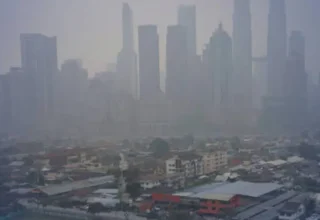










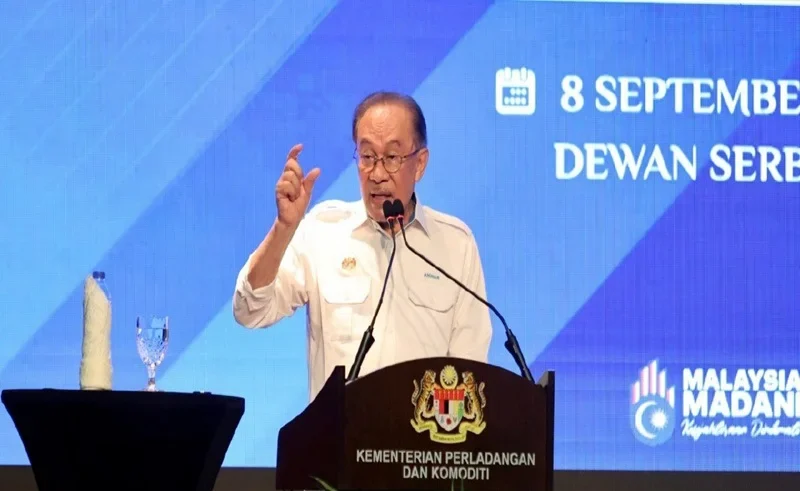
The Malaysian event of haze has highlighted one of the persistent environmental issues among ASEAN countries: the performance of cooperation and assurance is still inadequate. Hazardous air pollution is impacting parts of Malaysia and countries in the region are facing a crisis that requires an in-depth look at current ASEAN transboundary haze mechanisms by Minister of Prime Minister Anwar Ibrahim.
The next 21st Conference of the Parties to the ASEAN Agreement on Transboundary Haze Pollution (COP-21) may be an event to see whether or not ASEAN is ready to shift from cooperation and consultation to greater accountability.
Malaysia Pushes for a Stronger Regional Response
The crisis is due to a serious haze problem impacting areas such as Sarawak and West Malaysia. Regional mechanisms have provided reason for debate as to their effectiveness in dealing with regional pollution when it crosses national borders, particularly when pollution is a by-product of hotspot activities.
The post anwar has gone with indicates a sense of displeasure over a strategy that relies on a great deal on diplomatic cooperation. The Malaysian government is seeking a more pragmatic approach on the environmental response of ASEAN, especially in the case of extreme pollution which causes adverse effects on public health.
Corporate Accountability Moves to the Fore
The ‘leave no doubt’ message from Anwar is that no Malaysian company will be given protection if it is concluded that they are responsible for illegally clearing the peatlands or open burning.
That can help build momentum for more cross-border corporate accountability. But when evidence and thus the operations of companies are established in more than one legal jurisdiction, investigations, responsibility assignment and enforcement become complicated.
There might then be a need for plantation companies and their supply chains to have more accountability and transparency in a stronger regional system.
Limits of the ASEAN Way
A framework for cooperation on transboundary haze pollution was established under the ASEAN Agreement on Transboundary Haze Pollution in 2002, but has proved difficult to be enforced due to the consensus-driven structure of the agreement. Within the regime outlined in the provided data, the costs for trans-border infractions are at the regional level but are different from a single-unit governance regime.
Lack of transference on concession-map disclosure, along with access to trans-passport legal remedies exists as well. Put in place stricter regulations for domestic transboundary haze in individual States, rather than relying exclusively on national regulations.
Why does COP-21 matter?
The challenges of ASEAN can be tackled by enhancing Southeast Asian focus on the Da Nang summit. Supply chain traceability, mandatory concession mapping, corporate responsibility requirements, and better reporting of air quality assessments are all possibilities for what could be considered proposals.
Pressure is coming in from ASEAN Parliamentarians for Human Rights, who have branded the ongoing haze a ‘human rights emergency’. It calls for strengthened traceability, following growing demand for environmental accountability to be more than a ‘voluntary principle’.
ASEAN’s next big moves are worth watching!
What Could Singapore’s ASEAN Year Bring?
Check out key priorities for businesses and trade.
How Could AgTech Transform Southeast Asia?
Find out how tropical farming technology could help.
Can ASEAN Connectivity Boost Regional Growth?
Uncover major infrastructure and digital link developments.
What Will Singapore And Thailand Prioritize?
Browse their joint agenda for regional momentum.
Could Vietnam Reshape ASEAN-Russia Ties?
See five priorities driving stronger economic links.
Can ASEAN Close the Enforcement Gap?
The most significant hurdle could be political readiness. Greater enforcement will demand governments to be more open and possibly impose cross-border requirements for companies.
However, the unfortunate fact is that repeated emergency situations due to the haze events reveal the expensive nature of living with the status quo. The principle of consensus in ASEAN has assisted in maintaining regional cooperation, but in the face of environmental crises, tangible action is needed.
It may be a watershed moment, then, for COP-21. ASEAN can make its haze agreement work if it can establish practical enforcement, implement greater traceability of corporations and information sharing. Unless, of course, the other year of extreme pollution yields the same diplomatic assurances without a solution to the issue.
FAQs
Why did Anwar Ibrahim call for a review of the ASEAN haze?
Anwar is insisting there should be a review as the existence of the transboundary haze has caused repeated air pollution problems and laid bare the inability of regional enforcement mechanisms to function.
What is COP-21?
COP-21 is the next 21st Conference of the Parties (COP-21) to the ASEAN Agreement on Transboundary Haze Pollution (AHTP) that will be held in Da Nang, Vietnam.
Why is the Da Nang summit important?
An opportunity for ASEAN to broaden and refine the haze mechanism and push towards more transparent and enforceable regional environmental laws and regulations.