









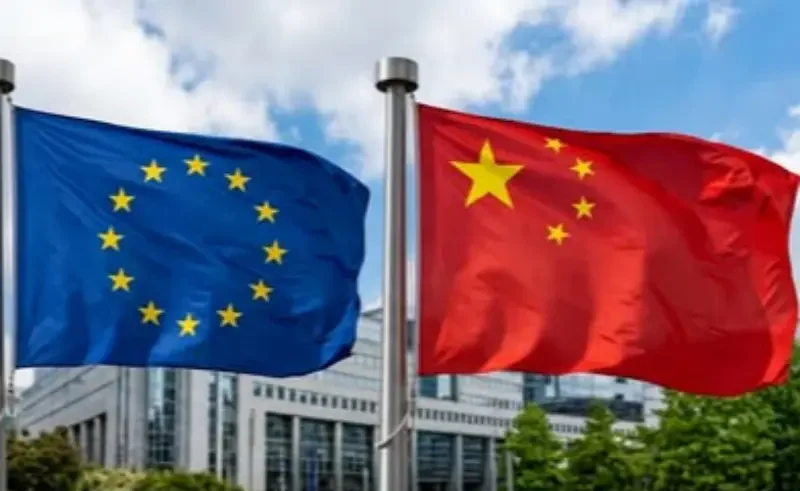
As manufacturing growth in China changes the global economic landscape, it will present a major economic problem for Europe. Chinese businesses are increasing their involvement in the EV industry, batteries, renewable energy and new technologies. In the meantime, European manufacturers are suffering from increased costs and competition. The actual issue is whether Europe will be able to shield its industries, without incurring unnecessary tariff damages that could lead to a potentially destabilizing trade war.
Europe’s Manufacturing Competitiveness Faces Pressure
China’s manufacturing capabilities and prices bring a threat to the economic powerhouses of Europe. Higher energy costs, regulatory uncertainty, and inconsistent investment are a significant challenge for European manufacturers. European policy makers should focus on improving the competitiveness of European industry through low energy costs, technology innovation and productivity measures with sustainable growth, rather than tariffs.
Why a China EU Trade War Could Backfire
There is a risk that an extended trade war between China and the EU will hurt both sides due to rising costs, supply chain issues, and investment opportunities. Europe’s companies rely on Chinese parts, especially for clean energy and electronics. Targeted trade measures can deal with unfair subsidies, but excessive protectionism could have the effect of harming the very industries that Europe is trying to protect.
Innovation Offers Europe a Stronger Alternative
Research, advanced manufacturing, workforce development, and strategic investment, rather than import restrictions, should be the focus of Europe. The European Commission’s Clean Industrial Deal sets the agenda for industrial modernization and new, cleaner methods of production. The expansion of EU industrial policy might enable businesses to compete, based on quality, efficiency and innovation. More than an economic confrontation.
Balanced Trade Policies Can Protect Growth
Europe must pursue a balanced approach that involves fair competition, selective protection and ongoing diplomacy with Beijing. Clear subsidy policies and resiliency in supply-chains can mitigate vulnerabilities without closing markets. The World Trade Organization provides some set processes for settling trade disputes. Finally, in the end it is more sustainable to work together in cooperation and enforce the rules proportionately rather than separating the economies broadly.
FAQs
Can Europe compete with China’s manufacturing sector?
Yes. Europe can strengthen its position through innovation, affordable energy, skilled workers, and targeted industrial investment rather than depending entirely on tariffs.
Why should Europe avoid a trade war with China?
Yes. Europe can strengthen its position through innovation, affordable energy, skilled workers, and targeted industrial investment rather than depending entirely on tariffs.
What is Europe’s strongest manufacturing advantage?
Europe’s strengths include advanced engineering, industrial research, specialized manufacturing, and established regulatory standards that can support long-term competitiveness.
Recommended Reads
What Is Driving China’s 2026 Economic Growth?
How Could the US-China Trade War Benefit Manila?
Could Taiwan Trade Tensions Create Philippine Opportunities?
Why Is China Seeking India’s Support on Tariffs?
Learn why China is urging India to cooperate against US tariffs as trade tensions intensify.
Where Will China-ASEAN Green and AI Hubs Emerge?