









Brazil’s presidential election has sparked global dismay after U.S. President Donald Trump cast doubt on the country’s Oct. 25 runoff without evidence of electoral irregularities.
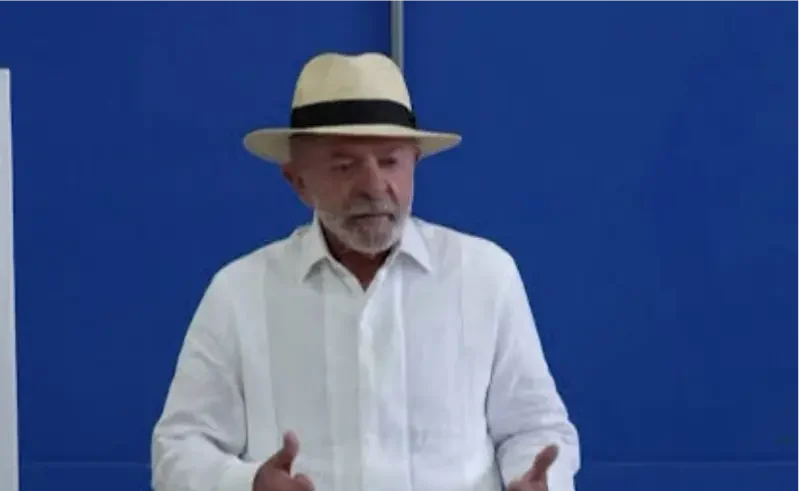
The Brazil Election 2026 ended with President Luiz Inácio Lula da Silva defeating Senator Flávio Bolsonaro, son of former President Jair Bolsonaro.
The comment by Trump on October 26, after the defeated candidate protested longer voting times, once again drew attention to Brazil’s electoral institutions and democratic processes.
Brazil Election 2026 Results: Lula Wins Fourth Term
A Superior Electoral Court in Brazil has ruled that Lula had received 51.79% of valid ballots cast, while Flávio Bolsonaro got 48.21%. Lula earned 64,256,232 votes and will get a fourth, nonconsecutive, term.
Trump Alleges Irregularities Without Presenting Evidence
Trump said the election looked “manipulated” but did not provide “proof,” Reuters reported. His comments followed Bolsonaro’s criticism of the extension of voting times in places where extreme weather and transport issues have been hindering voters.
Flávio Bolsonaro Challenges the Election Outcome
The loser protested and demanded the cancellation of the election. Poll workers said they believe the longer voting times would not make a difference. The controversy is not about actual vote tampering but about how the votes were tallied.
What the Controversy Means for Brazilian Democracy
The conflict exemplifies how political election disputes can draw international political attention. Brazil’s institutions are tasked with answering valid procedural questions and distinguishing documented irregularities from unsubstantiated allegations. You can only gain public trust through open communication and substantiation.
Recommended Reads
What Are ASEAN and Brazil Discussing About Trade?
Why Is Elon Musk Fighting Brazil’s Court?
Who Was Jefferson Machado, the Missing Brazilian Actor?
How Is Brazil Tackling Amazon Deforestation?
Why Did Facebook and YouTube Remove Brazil Assault Videos?