
AI, or artificial intelligence, is a powerful and pervasive technology that can create and manipulate texts, images, and videos to influence public opinion and behavior.
As the US prepares for its presidential and congressional elections in 2024, AI poses a serious threat to the integrity and credibility of the democratic process, as it can be used to spread disinformation and propaganda, to deceive and confuse voters, and to undermine and sabotage candidates and parties. Here is how AI is taking over the US elections and why it is hard to stop.
How does AI create and spread disinformation and propaganda?
AI can create and spread disinformation and propaganda in various ways, such as:
- Generating fake news articles, social media posts, or comments, that contain false or misleading information, claims, or opinions, to sway or polarize the voters. For example, AI can use natural language generation (NLG) to produce coherent and convincing texts, or natural language processing (NLP) to analyze and mimic the style and tone of real sources or authors.
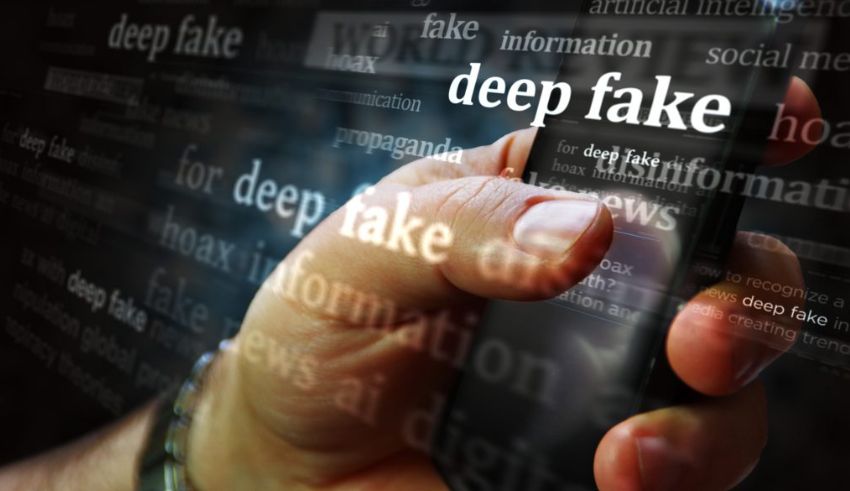
- Creating fake audio, photo, or video, that show candidates or parties saying or doing things they did not say or do, to damage their reputation or credibility. For example, AI can use deepfake technology to synthesize realistic and seamless audiovisual content, or face-swapping technology to replace the faces of real people with those of others.
- Amplifying and distributing fake or biased content, that reach and influence a large and targeted audience, to create echo chambers or filter bubbles. For example, AI can use social bots or trolls to automate or coordinate the posting, liking, sharing, or commenting of content, or to impersonate or infiltrate real users or groups.
Why is AI a challenge and a danger to the US elections?
AI is a challenge and a danger to the US elections for several reasons, such as:
- It is fast, cheap, and scalable, and it can produce and disseminate large amounts of disinformation and propaganda in a short time and with a low cost, making it difficult to detect and counter.
- It is sophisticated, adaptive, and deceptive, and it can generate and manipulate high-quality and realistic content, making it hard to distinguish and verify.
- It is exploitative, divisive, and disruptive, and it can target and manipulate the emotions, biases, and preferences of the voters, making them vulnerable and distrustful.
Keep Reading




What are the possible solutions and responses to AI’s influence on the US elections?
The possible solutions and responses to AI’s influence on the US elections include:
- Developing and deploying AI tools and systems, that can detect and expose fake or biased content, and that can provide accurate and reliable information and sources. For example, AI can use deep learning, computer vision, or audio analysis to identify and flag anomalies or inconsistencies in the content, or to compare and contrast the content with other data or evidence.
- Regulating and enforcing AI policies and laws, that can prevent and punish the creation and dissemination of disinformation and propaganda, and that can protect and promote the rights and interests of the voters. For example, AI can be subject to ethical principles, standards, and guidelines, or to legal rules, sanctions, and remedies.
- Educating and empowering AI users and consumers, that can recognize and resist fake or biased content, and that can make informed and rational decisions and actions. For example, AI can be accompanied by transparency, accountability, and explainability, or by awareness, literacy, and participation.