
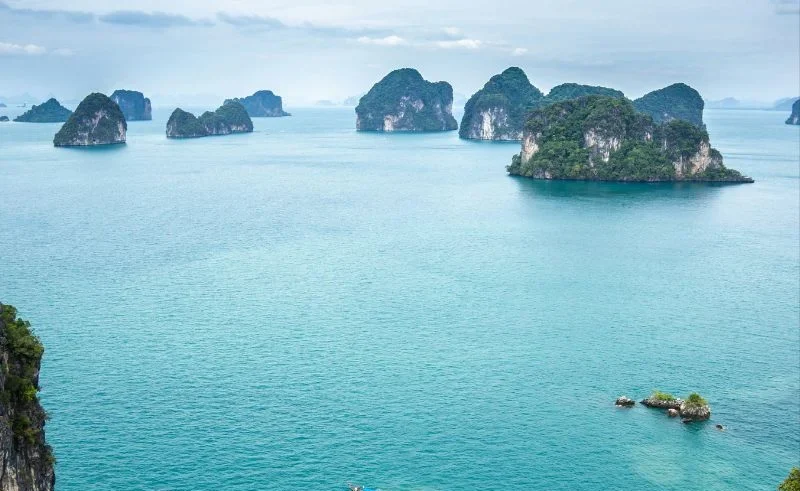
Thailand is still one of the tourists’ top destinations globally, known for its tropical beaches, flourishing urban life, cultural attractions, and famous food. With the new government’s warnings and immigration tweaking, though, travelers will need to be ready to show up.
Rather than restricting tourism, authorities are emphasizing tougher border controls and threats posed by particular regions affected by the season and weather, among other factors.
If you’re going travelling, here’s what you need to know when visiting Bangkok, Phuket, Chiang Mai, Krabi, Koh Samui or any of the popular destinations for travelling around Thailand.
New Entry Rules and Immigration Checks
The introduction of stricter immigration procedures is one of the biggest modifications for traveling. Border security and fight against visa overstays is being tightened in Thailand.
One of the most significant changes is the implementation of the Thailand Digital Arrival Card. As part of the preparation for travel, travelers are encouraged to fill the traveler online form before traveling and present the QR code at the airport during the staffing and immigration process.
Immigration officers may ask for proof of where you will stay, an onward/return ticket, bank statement or any other proof of travel funds. Individual travellers may be required to produce at least 10,000 Australian dollars, and families 20,000 Australian dollars.
Monsoon Season Weather Risks
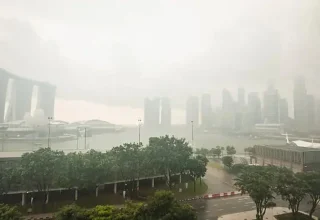
The southwest monsoon in Thailand is in progress, as it usually starts in May and continues until October. This doesn’t stop tourism from taking place but it brings some travelling problems.
During this time, rough seas, more powerful waves, and hazardous rip currents are common at popular Andaman Sea spots like Phuket and Krabi. All beach warning flags are intended to be treated seriously, particularly when red flags are blown.
Localized flash flooding may also occur in urban areas and rural areas due to heavy rain. Those heading out on island-hopping trips should have flexibility in their travel plans as ferry and road transportation times may be delayed on occasion depending on weather.
Areas Tourists Should Avoid
The current travel warnings remain geopolitical, in as far as they are directed at a handful of small regions as opposed to the major tour destinations of the country.
Insurgent activity in the southern provinces of Pattani, Yala, Narathiwat and part of Songkhla continues to warrant a state of security. They are nowhere near, nor are they commonly visited, part of the popular tourist destinations in Thailand.
Additional guidance for travelers to Myanmar and Cambodia also cautions against travel to specific areas at each border as there is some possibility of military conflict and security issues at these locations.
Important Local Laws Tourists Must Know
There are a number of laws in Thailand that often catch visitors off-guard. The nationwide ban on e-cigarettes and vaping devices is one of the most significant measures taken thus far.
The possession, importation, and use of vaping devices can lead to fines, confiscation and even legal penalties. These types of devices are not recommended for travellers to bring into the country.
Thailand also has laws which uphold the monarchy. Any words, acts or transmitting abuse regarding the Royal Family that fall into the category of disrespect may face harsh criminal sanctions.
Essential Safety Tips for Travelers
One of the foremost travel preparations for any trip to Thailand is travel insurance. Although the country has good private healthcare facilities, leaving patients exposed to exorbitant medical bills if they succumb to the disease without adequate medical treatment.
People should also bring mosquito repellent towards prevention of mosquito borne disease and length of the rainy season, dengue fever becomes more prevalent.
Road traffic accidents are still one of major concerns when visiting the Philippines. Taking public buses or a taxi service is more of the safe option unless you have the proper license, papers and experience to ride a bike abroad.
Lastly, since tap water may pose health risks during a visit, it is advisable for the visitors to drink water from bottles or filters instead of tap water.
FAQs
Is Thailand safe for tourists at this time?
Yes. But overall Thailand is safe, and most popular tourist attractions, such as Bangkok, Phuket, Chiang Mai, Krabi, and Koh Samui are open as usual.
What is Thailand Digital Arrival Card?
The TDAC is a paperless registration system to arrive online rather than using a paper arrival form. It will be completed before travelling and the QR Code generated by the system should be brought along.
Can I be affected by monsoon season?
Yes. Lots of rain, high waves and floods can also disrupt travel, especially during the Bald Beach and Island destinations. The travellers should be flexible about their trip time.
More Thailand Travel Updates You Shouldn’t Miss
Looking For Pattaya’s Best Hotels?
Browse top-rated stays near Pattaya Beach for a relaxing luxury getaway.
Will Thailand Cut Visa-Free Stays?
Check out the latest cabinet review that could affect your travel plans.
Making These Nomad Travel Mistakes?
Find common errors digital nomads are making across Bali and Thailand.
How Do New Visa Rules Impact?
Uncover what Thailand’s latest visa changes mean for summer travelers.
Completed Your Thailand Arrival Card Yet?
See the simple steps needed to submit the mandatory TDAC form online.