

The enforcement of online child protection becomes a new chapter in the history of online child protection in Malaysia with the implementation of the Child Protection Code within the Online Safety Act 2025. Children under the age of 16 have been banned from creating or keeping accounts on Instagram, TikTok, Facebook and YouTube, among the social media giants, under the new rules.
The shift is designed to help minimize the amount of time children spend exposed to cyberbullying, harmful materials, on-line predators and manipulation of data. The many additional protections are welcomed by many parents, while the abrupt changes have caused concern that teens will not maintain their friend, class and family connections.
The Malaysian Communications and Multimedia Commission has made it abundantly clear that these restrictions have only been imposed on open social media like public feeds and algorithm-driven content. For youth, private communication means and closed educational platforms are still okay.
Why Malaysia Introduced the Under-16 Social Media Ban?
The government’s first priority is to provide children with a safer online space. The use of recommendation algorithms on social media apps has a potential to expose youth to unsuitable content, misinformation and unhealthy internet use.
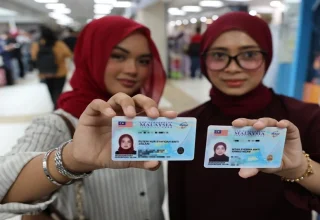
This is meant to discourage kids from engaging in poor online behaviors and assures that they are communicating with one another in safer and more controlled settings. Technology firms are now adopting tougher systems for age verification such as via official identity documentation, including the MyKad and passports.
Expansion of enforcement encourages parents to assist their children with making safer communications tools instead of public social networks their habit.
1. Google Chat and Google Workspace for Education
For those who have already used Google Classroom, the Google Chat is one of the most secure options out there for students. The platform is used in a secure space to ensure that communication takes place between only authorized users and school-managed accounts.
Google Chat has none of the features found in regular social media platforms such as public feeds, trending or algorithmic recommendation. Discussions continue to be centered on communication and collaboration.
This is especially handy for the school projects, assignments and groups, and for helping teachers coordinate with students without meeting them face-to-face online.
2. Apple Messages (iMessage) with Parental Controls
By using iMessage, families with Apple equipped devices can have a safe and secure communications system for sharing information. Children can be connected with approved contacts and not through open social media platforms in the service.
The option to set Screen Time and Communication Limits allows parents to limit who their child can message and/or call. Apple’s Communications Safety feature is also an added benefit, sifting the likelihood of inappropriate images and giving the user guidance on safety aspects prior to viewing.
This is a great way to communicate within families, and with friends that you know and trust.
3. Messenger Kids
Messenger Kids, on the other hand, is tailored towards younger users and doesn’t run alongside Facebook or Messenger. Access to an easy-to-use messaging system, video calling, stickers, and interactive elements are available and child-friendly, and usage is carefully monitored by parents.
It’s one of the best safety features ever: parental approval. Children are not allowed to add contacts by themselves and each request for connection has to be accepted by their parents via a specific dashboard.
It is ad-free and made for supervised communication, providing a compromise in between social interaction and safe and secure digital habits.
How Parents Can Create a Safe Digital Environment?
Selling with a new app is not enough to make the change from traditional social media. Parents should first back up photos and personal data from existing accounts prior to the restrictions coming into effect.
Parental control options provided by Apple (Screen Time) and Google (Family Link) can help you from getting bad downloads of social media apps or VPNs. These options also enable parents to set screen time limits and track online behavior.
Household social norms to promote healthy online use, such as device use rules in common areas and no device after dinner, are also recommended.
What About Parental Liability?
The government has also stated that the imposition of fines and prosecution will not be made against parents for their children to circumvent the age-verification systems.
Rather, the technology platforms that don’t meet enforcement requirements are responsible. The government of Malaysia has online safety laws in place with potentially stiff penalties for companies that are not taking steps to ensure safety.
FAQs
What is Malaysia’s Under 16 age ban?
Under the ban, kids under 16 aren’t allowed to account for or keep accounts on websites like TikTok, Instagram, Facebook and YouTube.
What are some of the alternatives to kids’ social media?
Talk with family and friends using safer options like Google Chat, Apple iMessage (with parental controls) and Messenger Kids.
Would parents have to pay fines if the restrictions are not adhered to by their child?
No. Malaysian authorities have said that parents will not be fined if children try to circumvent the age-checking system on their own.
More Malaysia updates you won’t want to miss.
Want Funding For Your Business?
Check out the simple steps to access Malaysia’s new PKS@BURSA support scheme.
Eligible For EPF Bonus Payments?
Find out how Grab riders and freelancers can claim extra retirement savings support.
Is B15 Fuel Safe Today?
Uncover what the latest biodiesel rollout means for your vehicle and engine.
Need Free Hospital Cash Support?
Browse the eligibility rules and claim process under Malaysia’s mySalam scheme.
How Will Apps Verify Ages?
See how TikTok and Instagram plan to enforce Malaysia’s new under-16 rules.