









The AI boom in Southeast Asia is adding obstacles to the plans of the ASEAN Power Grid to link electricity networks and promote power trading between member nations. With data centres continuing to grow in scale, the growth in power consumption is making trans-border electricity sharing more difficult.
Achieving digital economic expansion while balancing energy security, grid stability and region collaboration is a challenge.
Rising Data Centre Demand Pressures Electricity Supplies
Data centres mushrooming in Southeast Asia as tech giants seek ample computing power for AI training and inference. These facilities are active all day, often when power companies are not active, so generating smooth electricity demand, not just suggesting a commercial peak hour.
Malaysia’s Johor state and Indonesia’s Batam territory have been among the more preferred locations to invest in data centres to combat Singapore’s lack of space and energy. An increase in domestic demand can lead to governments paying more attention to local industrial demands than to exports of electricity.
ASEAN Power Grid Faces New Challenges
The objective of the ASEAN Power Grid is to enhance the capability of regional electricity connectivity where electricity can be shared among countries based on the requirements of supply and demand and available transmission capacity. Countries can benefit from energy security and renewable resource utilisation through cross-border trading.
The power demand from continuous Data Centres would diminish the flexibility to export electricity. When neighbours’ countries need more generation capacity, they may decline to provide it. This poses challenges to ASEAN’s wider vision of energy integration in the region and the country’s own economic priorities.
Grid Stability and Infrastructure Constraints
The provision of large data centres is made complex by their ability to generate operational impacts through a relatively rapid spike in electricity demand or an unanticipated power outage, which could impact power quality at the local level. To tackle these risks utilities must make significant investment in strengthening transmission networks, enhancing monitoring systems and keeping a good reserve of capability.
Existing regional cooperation arrangements testify to the potential for electricity systems to become interconnected and enable cross-border electricity trading, such as Lao PDR-Thailand–Malaysia–Singapore Power Integration Project. The need for digital infrastructure may rise and introduce more coordinated action plans for grid planning and emergency assistance.
ASEAN’s Regional Ties Are Evolving
Why Is Singapore Embracing Nuclear Energy?
Find out how nuclear acceptance is growing across ASEAN.
What Is AIME-2026 About?
Check out India and ASEAN’s maritime exercise in Philippine waters.
How Are ASEAN-EU Trade Ties Growing?
See how economic cooperation between ASEAN and the EU is deepening.
Can ASEAN Balance BRICS Engagement?
Uncover how Southeast Asia is navigating BRICS relations.
What Does The Kazan Declaration Offer?
Explore what Russia’s proposals could mean for key ASEAN nations.
Clean Energy Targets Under Pressure
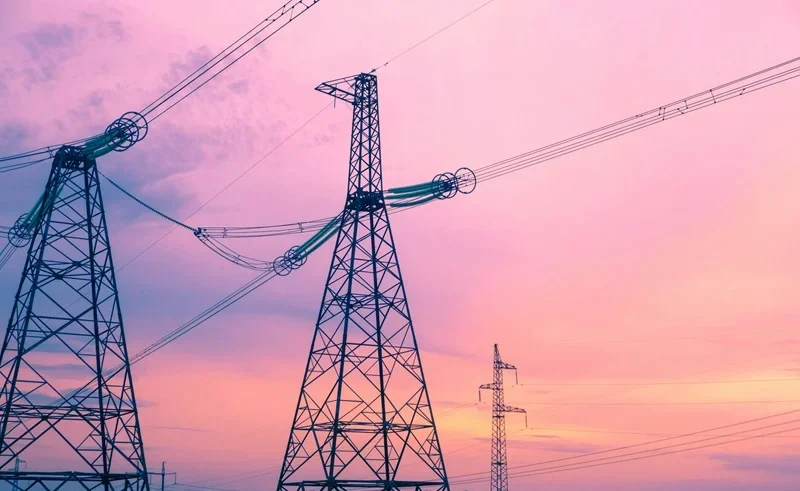
Instability in electric sources has created a demand for reliable renewable electricity among technology companies in order to satisfy sustainability requirements. However, power generation, transmission towers and subsea power connections can normally take years of preparation, investment, and construction.
If clean electricity cannot expand as rapidly as needs arise, governments may be required to make difficult choices on fossil fuel generation and renewable procurement, as well as the rate of new data centre construction.
Some of these conflicting demands might be lessened by regional cooperation, by implementing clear and open power purchase agreements, and by investing in energy storage.
FAQs
What is the ASEAN Power Grid?
The ASEAN Power Grid is a regional program developed to tie ASEAN countries together in providing electrical power in the region and allow cross-border trading of electrical power resources.
Why are AI data centres affecting regional power trading?
Electricity Supply to neighbouring countries may be impacted due to the 24/7 need for electricity in AI Data Centres.
Which Southeast Asian locations are attracting data centres?
Johor state in Malaysia and Batam, Indonesia are popular destinations for investment due to the availability of land, electric power supply and regional market access.