
The global energy scene is changing as China’s growing dominance in nuclear energy takes the stage. China is fast building new reactors, surpassing all other countries with the third-largest nuclear fleet globally. Along with a larger plan to lower dependency on fossil fuels, satisfy growing energy needs, and establish its leadership in clean energy, this aggressive expansion is part of Still, the important question is: does China’s nuclear strategy reflect the best paradigm for the direction of world nuclear power?
Managing Safety Risks Against Environmental Gains
In China’s environmental plan, nuclear power is very vital. Its main advantage is low carbon footprint; unlike coal-fired plants, nuclear reactors are essential for China’s ambitious climate ambitions since they create no greenhouse emissions whilst running. For a nation struggling with extreme air pollution and pressing demands for the slowing down of climate change, this shift is vital.
China is developing fast breeder reactors and high-temperature gas-cooled reactors (HTGRs), among next-generation nuclear reactors. These cutting-edge designs offer better safety, more efficiency, and the possibility to use different fuel cycles, hence perhaps lowering long-lived radioactive waste. Should these ideas be effective, they might establish new industrial norms all around.
But China’s fast building of reactors raises serious safety questions. Building reactors quickly can jeopardize adherence to safety standards and quality control. Historical nuclear events such as Chernobyl and Fukushima draw attention to the terrible possibilities of nuclear mishaps. There are questions about whether China’s legislative system can keep the highest safety standards and properly control such fast development.
Furthermore difficult is long-term radioactive waste management. China has to create strong disposal and storage plans if it is to guarantee public safety and avoid environmental damage. This important problem calls for careful preparation and worldwide cooperation.
Originality and Geopolitical Dynamics
China’s nuclear aspirations go beyond its own energy need. To reach technological self-sufficiency and lower reliance on foreign designs, the country is significantly funding indigenous nuclear technology. This creative energy could result in discoveries good for the nuclear sector worldwide.
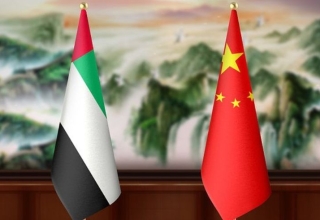
Targeting markets in Asia, Africa, and the Middle East, China also wants to sell its nuclear technology. Although this increases access to clean energy, it begs questions about nuclear technology spread in nations with less strict laws. Important factors are the hazards of nuclear proliferation and possible mishaps in countries with less control.
Keep Reading

World Collaboration: A Road Ahead
International cooperation is essential if nuclear power is to be a sustainable energy source. China’s nuclear development presents a special chance for world cooperation on responsible technology transfer, waste management, and safety criteria. Established nuclear powers including the United States, France, and Japan have a great deal of experience and knowledge that might improve China’s security and efficiency policies.
Cooperation of this kind is greatly facilitated by international bodies like the International Atomic Energy Agency (IAEA). They can help to establish best practices and global standards, therefore guaranteeing strict safety procedures applied everywhere. Efforts at cooperative research and development can help hasten nuclear technology developments, so improving safety and efficiency of this field.
Negotiating Responsibilities and Ambitions
China’s nuclear aspirations offer a mixed combination of possibilities and dangers. Although lowering carbon emissions and improving nuclear technologies have significant environmental advantages, they must be balanced with possible safety risks and geopolitical implications.
The world community has to interact with China to guarantee that its nuclear program follows the best safety criteria and improves the scene of clean energy. This covers not only regulatory control but also encouragement of openness and best practices sharing. The world community may work to reduce nuclear power hazards and maximize its possibilities for a sustainable future by encouraging cooperation.
In essence, China’s nuclear approach presents major safety and geopolitical issues even if it offers great technological and environmental benefits. The world community has to work together to guarantee that China’s nuclear growth is a constructive factor, so developing clean energy and reducing hazards. By means of common dedication to safety and innovation, the world can negotiate the complexity of nuclear power and steer toward an environmentally friendly energy future.