
Submarine-launched nuclear weapons are missiles that can carry nuclear warheads and can be fired from underwater by submarines. They are considered one of the most potent and survivable weapons in a nuclear arsenal, as they can evade detection and interception, and can strike targets from long distances and various directions.
Why does North Korea want submarine-launched nuclear weapons?
North Korea has been developing its nuclear and missile programs for decades, despite international sanctions and pressure. The country sees nuclear weapons as a deterrent and a bargaining chip against its enemies, especially the US and South Korea, which it accuses of threatening its sovereignty and security.
North Korea has test-fired several long-range submarine-launched ballistic missiles (SLBMs), as well as short-range SLBMs and cruise missiles that can be fired from submarines. North Korea has a large submarine fleet but only the experimental ballistic missile submarine 8.24 Yongung (August 24th Hero) is known to have launched a missile.
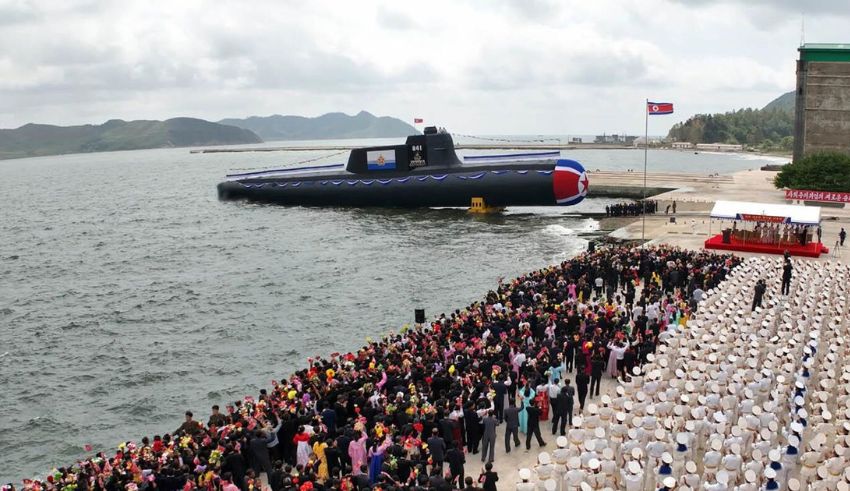
In September 2023, North Korea unveiled a new tactical nuclear attack submarine, which it claimed was “a strategic weapon of great significance” and “a powerful means of deterring and overpowering the hostile forces”. The submarine has been specifically designed to launch tactical nuclear weapons from underwater, a capability that North Korea believes “heralded the beginning of a new chapter” for its naval forces. The exact number of missiles that the vessel can carry and launch remains undisclosed by KCNA.
What are the hidden dangers of North Korea’s submarine-launched nuclear weapons?
North Korea’s submarine-launched nuclear weapons pose a serious threat to regional and global peace and stability, as they increase the risk of miscalculation, escalation, and nuclear war. Some of the hidden dangers of North Korea’s submarine-launched nuclear weapons include:
- They could undermine the deterrence and the balance of power in the region, as they could give North Korea a second-strike capability, or the ability to retaliate after a nuclear attack, which could embolden the country to act more aggressively and provocatively.
- They could complicate and challenge the detection and the defense of the US and its allies, as they could evade the existing missile defense systems and radars, and could strike from unexpected and unpredictable directions and locations.
- They could trigger and escalate a crisis or a conflict, as they could be launched without warning or authorization, either by accident, miscalculation, or rogue action, and could cause massive damage and casualties to the target countries and the surrounding areas.
- They could destabilize and endanger the nuclear non-proliferation regime, as they could encourage other countries to develop or acquire similar weapons, and could increase the proliferation and the smuggling of nuclear materials and technologies.
Keep Reading

How can the world deal with North Korea’s submarine-launched nuclear weapons?
The world faces a difficult and urgent task of dealing with North Korea’s submarine-launched nuclear weapons, as they pose a grave and growing threat to international security and order. Some of the possible ways of dealing with North Korea’s submarine-launched nuclear weapons include:
- Diplomacy and dialogue, which could aim to persuade and pressure North Korea to freeze or dismantle its nuclear and missile programs, and to return to the denuclearization talks and the international norms and laws. This could involve offering incentives and concessions, such as sanctions relief and security guarantees, as well as imposing costs and penalties, such as sanctions and isolation.
- Deterrence and defense, which could aim to prevent and protect against North Korea’s nuclear and missile attacks, and to respond and retaliate if necessary. This could involve enhancing and deploying the military and the missile defense capabilities and assets, such as submarines, aircraft carriers, stealth fighters, and anti-missile systems, as well as conducting joint exercises and operations, and strengthening the alliances and the partnerships.
- Cooperation and coordination, which could aim to build and maintain the consensus and the solidarity among the relevant countries and actors, and to share and exchange the information and the resources. This could involve engaging and consulting with the regional and the global powers, such as China, Russia, Japan, South Korea, and the UN, as well as the civil society and the media, and establishing and supporting the multilateral and the bilateral mechanisms and platforms.