
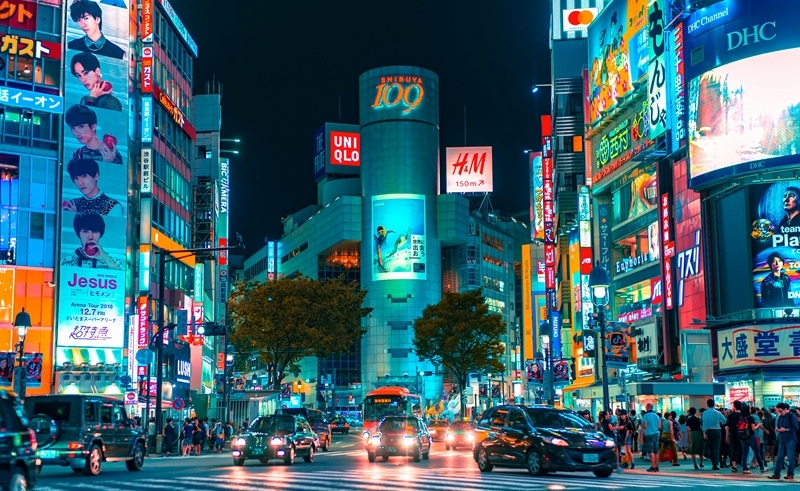
Japan is facing a crisis period in 2025 as the workforce shortage is getting acute in the spheres of work like technology, healthcare, and manufacturing. Though the decline in population is usually pointed at as the main factor, the scholars claim that the academic filtering is a more complex and contributing part to the widening talent gap. This practice of long-term hiring focuses on graduates of good universities and does not recognize skills, on-the-job experience, and local talent. As Japan drifts towards economic change and technological stimulation, the hiring system, which was once effective, is proving to be a constraint. Academic filtering as a determinant in recruitment is a crucial key to solving the future problems with labor in Japan.
Reasons Academic Filtration Is Fueling the workforce crisis in Japan
High-Skill Roles Left Unfilled
Japan requires engineers, people working with digital transformation, artificial intelligence, and semiconductor development. Academic filtering consists of reducing pools of applicants to elite universities and excluding graduates of smaller institutions who would otherwise have been talented, which creates endemic shortages of talent.
Workforce Decline in the Region is Getting Worse
Recruitment of talent is very concentrated in Tokyo and large cities. Talented young people in Japan are sidelined because of academic filtering, which damages the productivity of the region and increases the economic inequality since the industries in the area cannot afford to employ a skilled labor force.
Too much Pedigree, Too little Practice
Firms remain convinced that a university name is indicative of ability. Nevertheless, the contemporary industries demand flexibility, ingenuity, and computer literacy, which cannot be entirely defined by those educational classifications alone. The placement of the job-ready people who have the potential to enhance innovation is blocked by academic filtering.
Increased Unemployment in the Face of Employment
Japan ironically experiences a labor shortage, and a large number of graduates are unable to secure jobs. The incompatibility is further exacerbated by the fact that competent applicants are turned away just because they do not have brand-name education qualifications – a direct result of academic filtering.
Reduce Workplace Diversity in Thinking
Companies that recruit within the same academic groups will be at risk of groupthink and a narrow scope of problem-solving. Japan requires a variety of thought as the industry is being transformed through automation and AI, and academic filtering does just the opposite.
Why Japan Must Rethink Academic Filtering Soon
The workforce demand in Japan in 2025 will involve competency-based recruitment, retraining, advancement of vocational education, and enhancement of the inclusion of women and foreign professionals. The advent of academic filtering on the way may open up a wider pool of talent, boost the economies across the regions, and ensure that companies remain competitive in the world market. As the demographic pressures grow at a very fast pace, reforming recruitment practices is no longer a choice, but the key to the sustainable economic future of Japan.
Disclaimer: Stay updated with the lastest news, from politics to business trends, while also catching up on the lastest news in sports covering matches, scores, and tournaments. Explore the latest news in entertainment with celebrity updates, movies, and shows, and don’t miss the latest news in games, featuring trending releases and esports highlights.