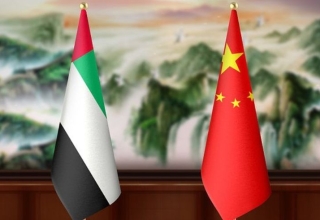

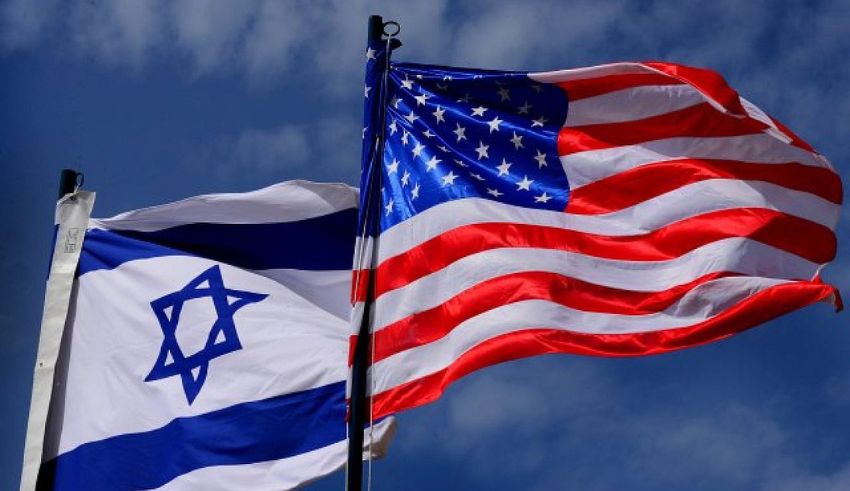
The recent attacks on US and Israeli targets in Asia, which have been blamed on Iran and its proxy forces, have sparked fears of a regional war and a global crisis.
The attacks have also triggered a fierce online battle for influence and propaganda, as Iran, Israel, and the US have used social media platforms, such as Twitter, Facebook, and YouTube, to shape the narratives and the perceptions of the conflict.
Iran: Defiance and Denial
Iran, which has denied any involvement in the attacks, has used online platforms to project an image of defiance and denial, and to challenge and counter the accusations and the threats from the US and Israel. Iran has also used online platforms to rally and mobilize its supporters and allies, such as Hezbollah in Lebanon, Hamas in Gaza, and the Houthis in Yemen, who have expressed solidarity and readiness to join the fight against the US and Israel.
Iran’s online strategy has included:
- Posting videos and statements of Iranian officials and military commanders, who have warned the US and Israel of the consequences of any aggression, and who have boasted of Iran’s military and technological capabilities, such as its ballistic missiles, drones, and cyberwarfare.
- Sharing images and messages of Iranian people and groups, who have staged protests and rallies in support of Iran’s resistance and sovereignty, and who have condemned the US and Israel as the enemies and the oppressors of the region.
- Disseminating news and analysis from Iranian and pro-Iranian media outlets, such as Press TV, Al-Alam, and Al-Mayadeen, who have questioned and challenged the evidence and the motives of the US and Israel, and who have highlighted the suffering and the injustice of the Palestinian and the Yemeni people under the US and Israeli attacks.
- Amplifying the voices and the opinions of Iranian and pro-Iranian activists, experts, and influencers, who have used hashtags, such as #NoWarWithIran, #HandsOffIran, and #IranIsNotAlone, to spread Iran’s narrative and perspective, and to expose and criticize the US and Israel’s policies and actions.
Israel: Condemnation and Retaliation
Israel, which has accused Iran of being behind the attacks, has used online platforms to convey an image of condemnation and retaliation, and to justify and defend its actions and interests. Israel has also used online platforms to seek and secure the support and the cooperation of its allies and partners, such as the US, the UK, and the Arab states, who have expressed sympathy and solidarity with Israel, and who have called for a collective response to Iran’s aggression.
Israel’s online strategy has included:
- Posting videos and statements of Israeli officials and military leaders, who have condemned Iran’s attacks as acts of terrorism and war, and who have vowed to respond with force and determination, and to hold Iran accountable for its actions.
- Sharing images and messages of Israeli people and groups, who have expressed outrage and grief over the attacks, and who have praised and thanked the US and other allies for their support and assistance, and for their recognition of Israel’s right to self-defense.
- Disseminating news and analysis from Israeli and pro-Israeli media outlets, such as the Jerusalem Post, the Times of Israel, and i24 News, who have provided and presented the evidence and the details of Iran’s attacks, and who have highlighted the threats and the challenges posed by Iran and its proxies to Israel’s security and stability.
- Amplifying the voices and the opinions of Israeli and pro-Israeli activists, experts, and influencers, who have used hashtags, such as #IranMustPay, #StandWithIsrael, and #StopIran, to spread Israel’s narrative and perspective, and to expose and criticize Iran’s policies and actions.
Keep Reading


US: Pressure and Diplomacy
The US, which has confirmed Iran’s role in the attacks, has used online platforms to project an image of pressure and diplomacy, and to balance and manage its interests and obligations. The US has also used online platforms to communicate and coordinate with its allies and partners, such as Israel, the UK, and the EU, who have shared and supported the US’s assessment and approach, and who have called for a peaceful and diplomatic solution to the crisis.
The US’s online strategy has included:
- Posting videos and statements of US officials and diplomats, who have denounced Iran’s attacks as unacceptable and provocative, and who have imposed and threatened further sanctions and measures against Iran and its proxies, and who have urged Iran to return to the nuclear talks and to comply with its commitments.
- Sharing images and messages of US people and groups, who have expressed concern and support for the US and Israeli victims and targets, and who have called for a responsible and restrained response to Iran’s attacks, and for a dialogue and a negotiation to resolve the conflict.
- Disseminating news and analysis from US and pro-US media outlets, such as CNN, the New York Times, and the Washington Post, who have reported and explained the facts and the implications of Iran’s attacks, and who have explored and evaluated the options and the scenarios for the US and its allies, and for the region and the world.
- Amplifying the voices and the opinions of US and pro-US activists, experts, and influencers, who have used hashtags, such as #NoWarWithIran, #DiplomacyWorks, and #StopIran, to spread the US’s narrative and perspective, and to expose and criticize Iran’s policies and actions.
The online battle for influence and propaganda, therefore, is a crucial and complex dimension of the conflict between Iran, Israel, and the US, which has implications for the public opinion, the media coverage, and the policy making of the parties involved, and for the peace and the stability of the region and the world.