









Panasonic’s survey found that 61% of respondents who owned air conditioners had used continuous cooling for 24 hours on at least some days during summer 2026. It does not mean that 60% of all Japanese households ran their air conditioners nonstop throughout the entire summer.
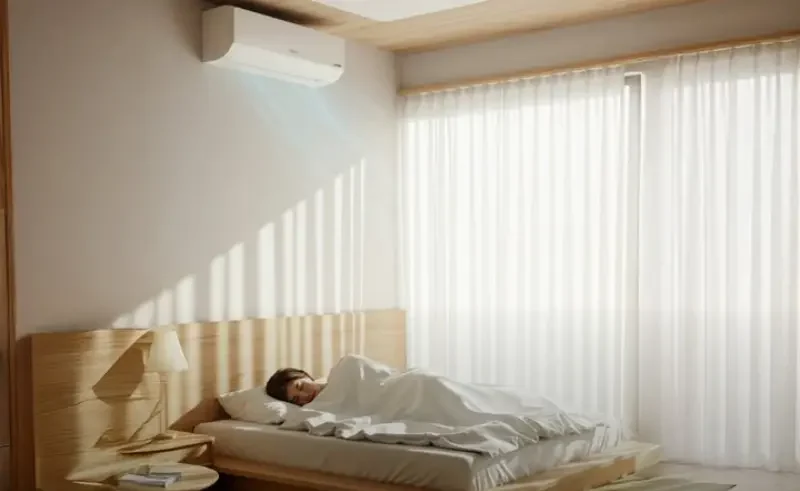
More than six in 10 air-conditioner owners in Japan say they kept their cooling on for 24 hours at least on some days this summer, showing how hot nights and heat concerns are changing home routines. The findings highlight Japan’s 24-hour air-conditioning trend, but they do not mean that 60% of all Japanese households ran their units nonstop throughout the season.
24-hour cooling is becoming more common
A survey released by Panasonic on September 30 found that 61% of respondents had used their air conditioners continuously for a full day at least once during summer 2026. The September 2–9 online survey covered 555 air-conditioner owners aged 20 to 60.
Among them, 27% ran cooling almost daily, 13% four to five days a week, 11% one to three days, and 10% a few times a month. Separately, Panasonic’s data from air conditioners connected to its Eolia app showed that 22.4% ran continuously for 24 hours during June to August. That figure has stayed above 20% for four straight years.
Across Japan, average cooling use reached 13.1 hours a day, or about 1,205 hours over the three summer months. Okinawa recorded the longest use, at an average of 16.61 hours a day. Japan’s average summer temperature in 2026 was 1.02°C above normal, making it the fifth hottest summer since records began in 1898, according to data cited by Panasonic.
Hot nights and health fears drive use
The leading reason for leaving the air conditioner on was that nights remained too hot to switch it off, named by 57% of people who used 24-hour cooling. A further 53% said they did so to help prevent heatstroke, while 22% wanted to keep room temperatures steady.
Electricity costs remain a concern, but 55% of those who had used 24-hour cooling said their bills were within an acceptable range. Looking ahead, 71% said they would like to continue the practice next summer.
Comfort needs care, too
Japan’s Environment Ministry advises people to use air conditioning appropriately and stay in cool places during dangerous heat in Japan. The trend is therefore not simply about comfort: for some households, cooling is part of staying safe during hot weather.
Still, longer use makes basic maintenance important. Panasonic found that 45% of respondents either did not plan to clean their air conditioner after summer or were unsure. Among this group, 54% said cleaning felt like a hassle. Cleaning filters and following the maker’s care guidance can help households prepare units for the next season. Japan’s data show why cooling, safe use and upkeep must go hand in hand.
Recommended Reads
What Is Japan’s Mission to Phobos About?
Could Tropical Storm Dujuan Disrupt Tokyo’s Silver Week?
How Can You Stay Cool Without AC in Malaysia?
Why Is Thailand Experiencing Record-Breaking Heat?
How Is Singapore Making High-Rises Greener?