









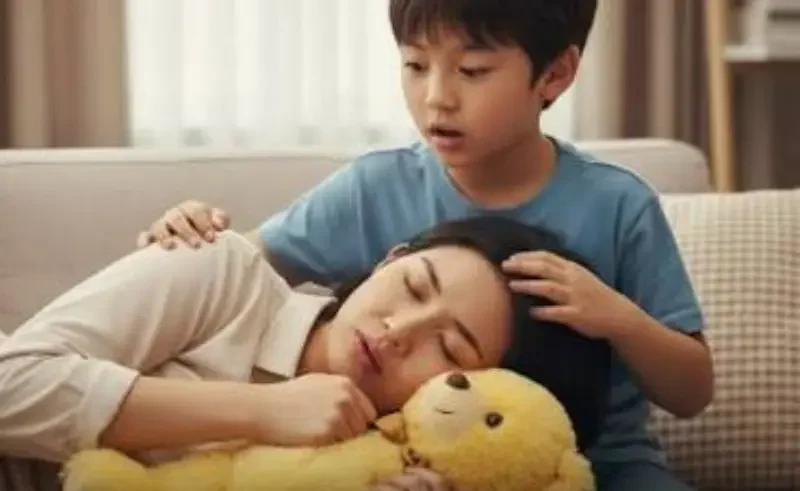
Young Chinese are increasingly talking openly about what respect for parents should mean. The debate over healthy parent-child relationships in China has gained attention after Olympic diving champion Zhang Jiaqi appeared with her mother, Xiao Yingjie, on Hunan TV’s reality show My Little One. The programme showed a strained bond shaped by years of criticism, and the response from young viewers suggested that respect no longer means accepting every parental demand.
Zhang Jiaqi’s Story Sparks Debate
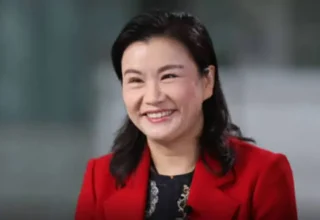
At Tokyo 2020, Zhang, 22, won gold in the synchronised 10m platform event. She started diving at age six and retired in November 2025. When she was featured with her mother on the show, it captured people’s attention. Zhang’s childhood was one of being criticized, and reports that her parents approved her bank cards further raised questions about her independence.
Filial Piety Is Not Blind Obedience
The Chinese culture emphasizes the respect, care and responsibility for parents as a principle of filial piety. But it can manifest itself in various ways. In two studies that included 247 and 1063 valid responses from Taiwanese adolescents, a 2021 study published in Frontiers in Psychology showed that adolescents could demonstrate filial respect by compromising and cooperating- respecting their parents’ needs and opinions while also seeking their own goals.
This distinction matters. Listening, helping and providing financial assistance can be caring without compromising privacy, personal options or emotional security. Repeated criticism and control cannot be undone by the good intention of a parent.
What Research Tells Us
The study, published in Acta Psychologica Sinica in 2025, looked at two sets of data gathered from 3,321 Chinese adolescents and their parents when they were in grade five and grade seven. They discovered that disagreements among parent-child dyads regarding filial piety beliefs were associated with depressive symptoms in some parent-child dyads.
Nothing can be said for every strict family relationship being harmful and nothing can be said for one reality show to represent all young Chinese. The Chinese General Social Survey (CGS) conducted an analysis in 2022 on the 2017 survey that revealed a complex picture of family values among young people: some had traditional values in one respect, and had communicated anti-traditional values in another.
A Healthier Idea of Respect
The message isn’t “don’t leave parents behind. It’s about establishing relationships with others that are mutually caring and boundaries are respected.”
Young adults can feel affection for their families while disagreeing, selecting their partner(s), handling money, or avoiding bad conversations. Filial piety is healthy, and this leaves space for kindness and independence. It encourages parents to lead rather than control and children to show care without self-giving.
Recommended Reads
Why Are Chinese Parents Sending Children to Hardship Camps?
How Did China’s 2016 Military Reforms Affect India?
Why Is China Turning Back to Coal?
What Does a 101-Year-Old Chinese Man Eat?
Where Do Chinese Travellers Go During Autumn Holidays?