









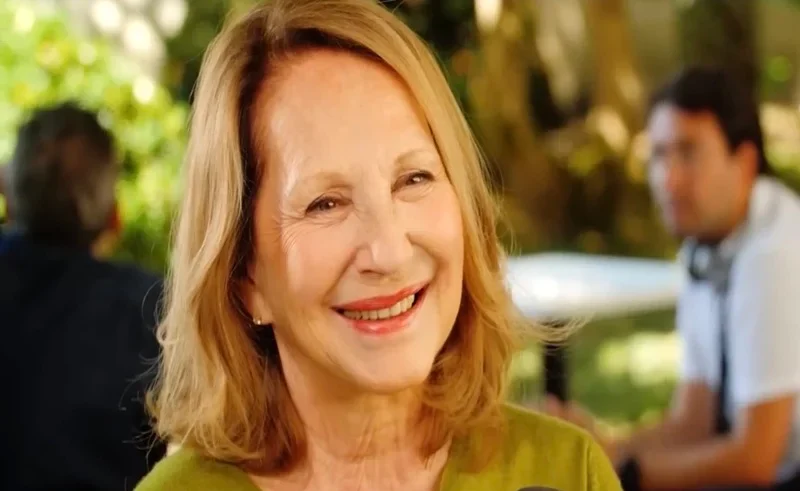
The world film fraternity is grieving a great loss with the death of the renowned French actress Nathalie Baye at the age of 77. One of the pillars of European cinema for more than half a century, Baye died on Friday, April 17, 2026, in her Paris home. Her family affirmed that she had died because of complications of Lewy body dementia, a neurodegenerative disorder that she had experienced in typical privacy and dignity.
As a direct reaction to her memory, cultural institutions in Thailand have arranged a special series of screenings in her memory. The master of her skill to depict deep vulnerability and hardness in the same measure, Baye’s work is a timely connection between the French New Wave and global cinema of today.
A Legacy of Excellence in French Cinema
There were few more versatile actors than Nathalie Baye, whose career spanned the work of some of the most powerful directors in film history. Since her initial collaborations with François Truffaut, through her subsequent appearances with Steven Spielberg, she was always a solid presence on the screen. One of the most prolifically honored performers in the history of the César Awards, she earned four awards in 30 years.
She had a special variety in her filmography, consisting of more than 80 titles. She could equally be in the setting of a hard-boiled crime thriller as she could be in the setting of an upscale aristocrat or a desperate mother. It is this vast scale that the upcoming tribute events in the Thai capital revolve around.
Special Screenings in Bangkok: A Retrospective
In honor of her life, the Alliance Française Bangkok and the Thai Film Archive have selected some of her most influential movies. These special screenings offer a chance for old fans and new audiences to see the richness of her talent on the theater screen.
Key Films in the Bangkok Program
The retrospective helps to fill the gap between European auteurism in cinema and international hits. It includes the Truffaut classic, Day for Night (1973), which gave her the start of her career, and the gritty crime film, La Balance (1982), the first of four César Awards. The program also encompasses her subsequent success in her career in the movie, The Young Lieutenant (2005), and her renowned Hollywood appearances in the film, Catch Me If You Can (2002), by Steven Spielberg. The shows provide Thai viewers with a last opportunity to see the vastness of an actress who has been a symbol of French grace through the generations.
Don’t miss the latest entertainment buzz.
What Happens In President’s Mistress Plot?
Discover shocking twists in the new series.
When Will Godzilla Minus Zero Release?
Explore confirmed date after viral teaser.
When Is Insidious New Movie Releasing?
Check early PH release date details.
Why Did Sabrina Carpenter Apologise?
Discover what sparked the controversy.
Why Is Ten Following Mark Lee?
Explore reasons behind the trending news.
Remembering a Stalwart of the Screen
Her death at 77 has led to a flurry of contributions to her by fellow actors and cultural leaders. The French Ministry of Culture issued a statement that characterized her as a bright star of our national heritage, and that she was devoted to complicated and human-based narration.
With Bangkok gearing up to such special screenings, one could sense this much: though Nathalie Baye is no longer on the physical stage, her performances are as vivid and indispensable as ever.
FAQs
What was the cause of Nathalie Baye’s death?
Her family informed the AFP that she passed away from complications related to Lewy body dementia, which she had been battling for some time.
Which film is considered her international breakthrough?
While she was already a star in France, her role in Steven Spielberg’s Catch Me If You Can introduced her to a massive new generation of global viewers.
How many César Awards did Nathalie Baye win?
She won a total of four Césars: two for Best Supporting Actress (Every Man for Himself, Strange Affair) and two for Best Actress (La Balance, The Young Lieutenant).